Public health alerts rarely arrive with dramatic flourishes. They begin with quiet bulletins, obscured by more immediate local anxieties, until a single local transmission shatters the illusion of regional immunity. Hong Kong confirmed its first local case of chikungunya virus for the year 2026, shifting the territory's medical posture from passive surveillance to active containment. For decades, local health authorities treated mosquito-borne arboviruses primarily as travel-associated nuisances imported by returning tourists or business travelers from Southeast Asia. That defensive luxury has officially expired. When a vector-borne pathogen establishes local transmission within a densely packed metropolis characterized by vertical living, shared public spaces, and subtropical humidity, the epidemiological calculus changes overnight.
The immediate clinical directive urging practitioners to screen symptomatic patients aggressively is not an overreaction. It is an urgent attempt to prevent an invisible foothold from becoming an entrenched public health crisis. Chikungunya rarely commands the terrifying mortality rates associated with Ebola or the hemorrhagic severity of severe dengue variants. Instead, it operates through a cruel mechanism of protracted debilitation. Patients endure sudden, high fevers accompanied by an agonizing polyarthralgia that frequently targets the small joints of the hands, wrists, and ankles. While the acute phase resolves within a week or two, the arthritic symptoms can persist for months or even years. For an aging workforce and a population navigating the physical demands of high-density urban transit, a wave of chronic, debilitating joint pain carries profound economic and social repercussions.
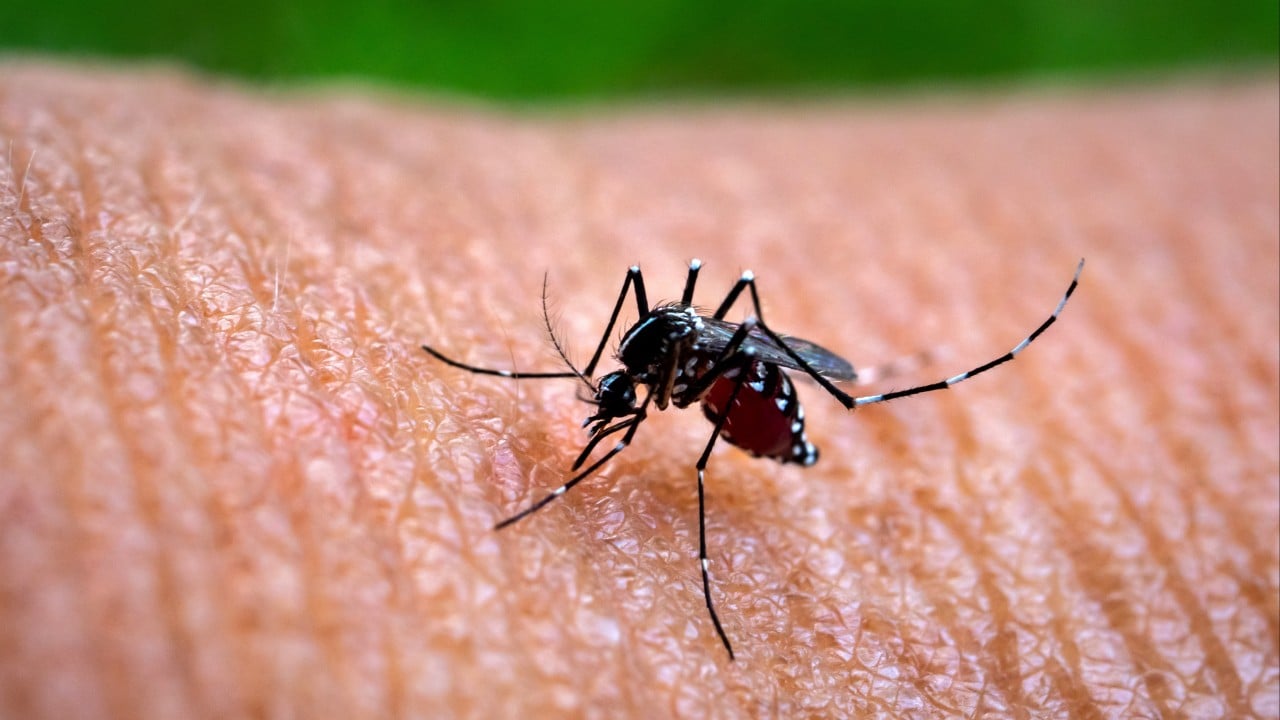
Urban entomology dictates disease transmission in environments like Hong Kong. The primary vectors responsible for spreading chikungunya are Aedes aegypti and Aedes albopictus. While Aedes aegypti prefers indoor environments and urban containers, Aedes albopictus thrives across both urban and suburban landscapes, utilizing everything from discarded plastic cups in alleyways to construction site water runoffs and residential flowerpots. Hong Kong's vertical architecture creates micro-habitats that complicate mosquito control. High-rise residential blocks feature external drainage systems, rooftop gardens, and poorly sealed water collection points that can easily serve as breeding grounds. When temperature and humidity converge during the warmer months, the reproductive cycle of the mosquito accelerates dramatically. An adult female Aedes can deposit eggs in a volume of water no larger than a bottle cap, transforming a neglected balcony saucer into a localized incubator.
Medical practitioners across the territory now find themselves on the front lines of a diagnostic puzzle. The early clinical presentation of chikungunya heavily mimics dengue fever and the Zika virus. Patients present with sudden spikes in temperature, severe myalgia, headaches, and characteristic maculopapular rashes. Without targeted molecular testing via reverse transcription-polymerase chain reaction (RT-PCR) or serological assays, misdiagnosis remains a persistent hazard. Doctors accustomed to treating seasonal influenza or routine viral syndromes must rapidly pivot their diagnostic panels when patients present with acute joint swelling and recent travel histories—or, crucially now, without any travel history at all. The emergence of a locally acquired case means the infection vector is circulating within the community, rendering travel history an unreliable screening criterion.
The economic footprint of vector-borne disease outbreaks in hyper-dense financial hubs is frequently underestimated. When thousands of workers experience sudden incapacitating joint pain, productivity dips across logistics, hospitality, and corporate sectors. Healthcare facilities face sudden surges in outpatient consultations as anxious residents seek evaluation for routine fevers. The burden shifts rapidly from tertiary hospitals to primary care clinics, testing the resilience of a healthcare system perpetually operating near maximum capacity. Public health messaging must balance the need for vigilance against the risk of panic. Telling millions of residents that an aggressive mosquito species is transmitting a painful virus in their neighborhoods requires clear, actionable guidance rather than alarmist headlines.
Vector control strategies deployed by municipal authorities must move beyond reactive spraying. Adulticide fogging provides temporary relief by knocking down flying populations, but it remains a blunt instrument with limited long-term efficacy. Sustainable control requires meticulous larviciding and community-driven source reduction. Property management companies overseeing Hong Kong's vast residential estates carry a heavy regulatory burden. Inspecting subterranean drainage networks, clearing stagnant water from construction scaffolding, and enforcing strict sanitation protocols in public housing complexes are foundational requirements. When private property owners and public administrators fail to eliminate breeding sites, municipal authorities must enforce compliance through swift punitive measures.
Global climate shifts continue to rewrite the geographical boundaries of tropical diseases. Rising ambient temperatures and altered precipitation patterns expand the viable habitat range for Aedes mosquitoes, pushing vector competence further into temperate and subtropical urban centers. Cities that historically considered themselves immune due to cooler winter months or robust sanitation infrastructure are discovering that climate resilience requires constant adaptation. Hong Kong's 2026 local chikungunya case serves as a warning shot for neighboring jurisdictions across East Asia. The pathogen is testing the structural integrity of urban disease surveillance networks, exposing gaps in primary care diagnostics, and demanding a unified response from urban planners, medical professionals, and municipal sanitation agencies.
The path forward hinges entirely on early detection, transparent public communication, and unyielding eradication of vector breeding grounds. If primary care physicians fail to test for chikungunya at the first sign of unexplained fever and joint pain, transmission chains will multiply silently in the shadows of high-rise apartment blocks. Containment is still achievable, but the window for passive control has closed. The city must treat every standing puddle and every unexplained fever not as a minor inconvenience, but as an immediate test of its epidemiological defenses.