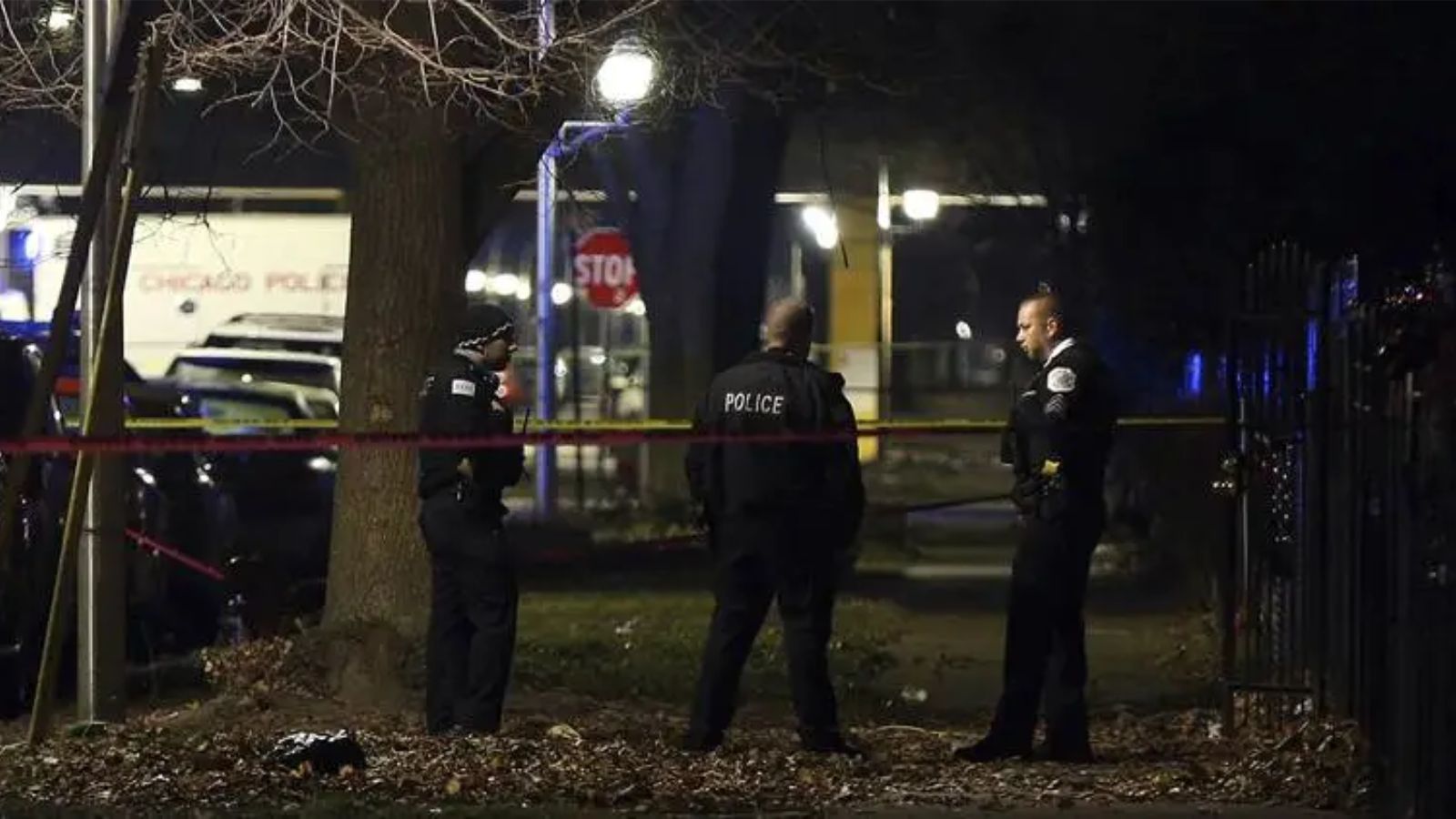
When neighborhood residents start complaining about a foul stench coming from a local business, you expect a rotting dumpster or a backed-up sewer. You do not expect authorities to unearth 56 decomposing bodies stored without refrigeration.
That is the grim reality investigators found at the South Chicago Chapel.
The discovery exposes massive cracks in how state agencies monitor death care facilities. Families trusted this chapel with their loved ones. Instead, they got a nightmare.
The Anatomy of a Systemic Failure
How does a funeral home hide dozens of decaying bodies for months?
It starts with oversight gaps. State business records show that funeral director Johanna Morgan incorporated the chapel. Yet, her husband, Clark Morgan, had his license revoked previously for practicing with an expired credential and unprofessional conduct.
Despite a history of regulatory violations connected to the couple—including a shut-down crematory in Chicago Heights where bodies were stacked and unchilled—they managed to open another facility and operate unchecked.
Neighbors smelled something wrong for months. They called city officials, but the bureaucratic machinery moved too slowly. By the time the Cook County Medical Examiner and forensic pathologists raided the building, the damage was already done.
Why Oversight Fails Grieving Families
The funeral industry operates on a high degree of trust. You hand over your parent, sibling, or child at their most vulnerable moment. You expect professional care, proper documentation, and respectful storage.
Instead, state regulators often react only after public outcry reaches a boiling point.
Think about how this happens. Inspectors are stretched thin. Facilities aren't audited aggressively enough. When bad actors lose a license in one municipality, they sometimes resurface under a different corporate name or use a relative's credentials to keep doors open.
Families are left paying thousands of dollars for services that turn out to be fraudulent. Then comes the secondary trauma. Relatives who just buried someone find out the body needs an autopsy because of mishandling.
Protecting Yourself and Your Loved Ones
You shouldn't have to play detective when arranging a funeral. But given recent history, you cannot rely solely on a clean storefront.
Take these steps to vet a funeral provider:
- Check state license databases directly: Never take a framed certificate on the wall at face value. Look up the funeral director and the business entity on your state's Department of Financial and Professional Regulation portal. Search for past suspensions or disciplinary actions.
- Ask to see the facilities: While families rarely tour preparation rooms, a reputable funeral home will be transparent about where and how remains are sheltered.
- Verify third-party crematories: If the home uses an off-site crematory, ask for its name and check its compliance record. Many scandals involve hidden secondary locations.
- Trust your instincts: If communication feels evasive, pricing is inexplicably vague, or something feels off, walk away.
The tragedy at South Chicago Chapel isn't an isolated incident. It is part of a recurring breakdown in public safety. Until penalties become severe enough to permanently deter bad actors, vigilance remains your only real shield.