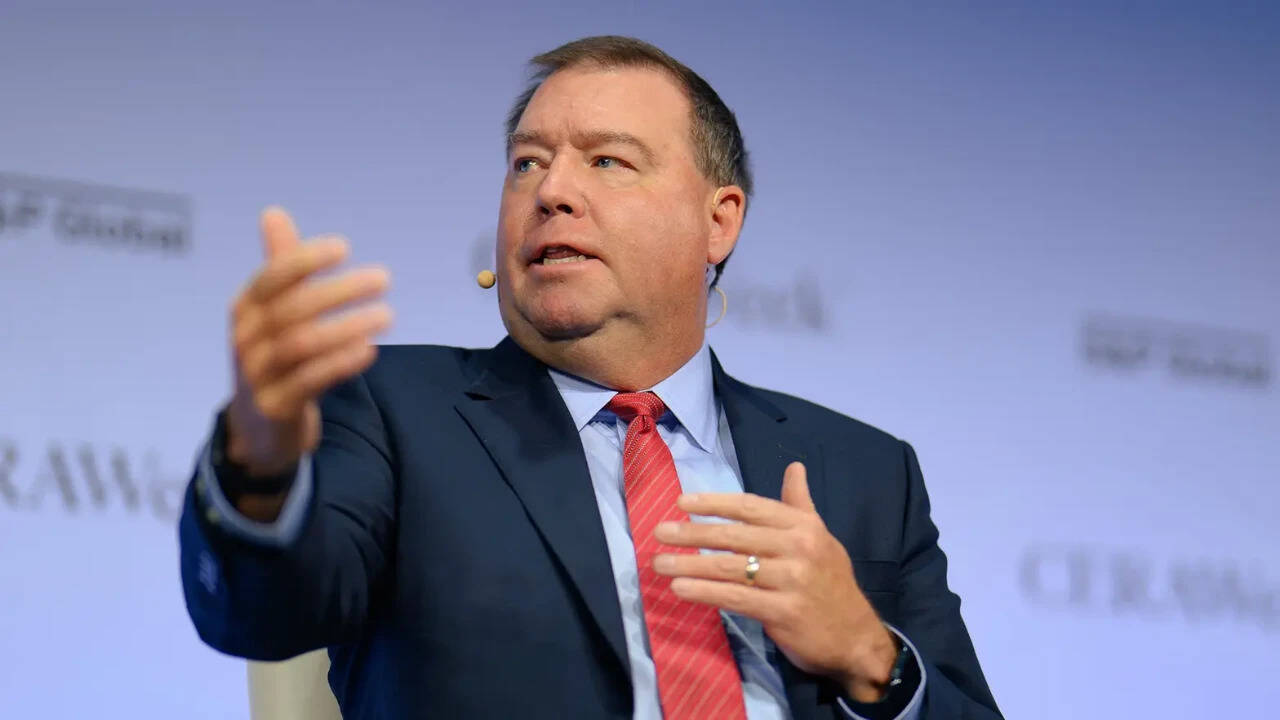
Energy executives don't usually tell you to buy less of their product. When they do, you should probably listen. A high-ranking Chevron executive recently made waves by suggesting Americans need to cut back on driving as tensions with Iran escalate. This isn't just corporate virtue signaling. It's a blunt admission that our global oil supply is far more fragile than the price at the pump suggests.
If you've been watching the headlines, you know the situation near the Strait of Hormuz is a powder keg. This narrow waterway handles about 20% of the world's liquid petroleum. If a hot war breaks out, that faucet gets turned off. The message from the industry is clear. We can't drill our way out of a sudden geopolitical collapse in real-time. You're being told to drive less because the math behind the global supply chain is starting to break.
Why the Iran Conflict Hits Your Gas Tank So Fast
The oil market is global, even if we produce a lot of crude here in the States. Prices are set by global sentiment. The moment a drone or a missile targets an oil tanker, insurance rates for shipping skyrocket. Those costs get passed down to you before the oil even leaves the ground.
Iran holds a strategic "dead man's switch" over the world economy. By threatening to block the Strait of Hormuz, they can effectively hold global energy markets hostage. When a Chevron executive tells you to conserve, they're anticipating a scenario where supply doesn't just get expensive—it gets scarce. Most people think gas prices go up because of "greed." It's actually much simpler. It's about risk. The risk of a total maritime blockade is currently at a ten-year high.
We've seen this play out before during the 1970s oil embargo. Back then, the lack of supply led to lines around the block and odd-even rationing. Today, our "just-in-time" delivery systems mean we have even less of a cushion. If a major shipment is delayed by just a week, regional shortages become a reality.
The Myth of American Energy Independence
You've heard politicians on both sides claim we're energy independent. It's a half-truth that's dangerous to believe. Yes, the U.S. produces more crude than ever. But our refineries are often tuned for heavy crude from abroad, while we export our light, sweet crude. We're still tied to the global hip.
- Refinery Mismatch: We can't just flip a switch and process only American oil.
- Global Pricing: West Texas Intermediate (WTI) follows Brent Crude. If the Middle East burns, your local price per gallon burns with it.
- The Strategic Petroleum Reserve: It’s at historically low levels. We don't have the "rainy day" fund we used to have.
Chevron knows this. Their warning isn't an attack on your lifestyle. It's an expert's assessment of a system running with zero margin for error. If the Iran conflict shifts from proxy skirmishes to full-scale naval warfare, "energy independence" won't save you from $7 a gallon gas.
What Happens if the Strait of Hormuz Closes
Let's look at the numbers. Roughly 21 million barrels of oil pass through that strait every single day. There is no pipeline on earth with the capacity to bypass that volume. If that route shuts down, the world loses a fifth of its oil supply overnight.
Economists at Goldman Sachs and other major institutions have modeled this. In a total closure scenario, oil could easily spike past $150 or even $200 a barrel. For the average American driver, that's a direct hit to the wallet that wipes out discretionary spending. The Chevron executive is basically giving you a "head's up" to start adjusting your habits now so the shock doesn't break you later.
Stop Waiting for Prices to Drop
Waiting for "things to get back to normal" is a losing game. The geopolitical reality has shifted. Iran’s military capabilities, specifically their fast-attack boats and sea mines, make the Persian Gulf a nightmare for commercial shipping.
You should treat this drive-less advice as a financial strategy. Every mile you don't drive is money you're keeping away from a volatile market. It's about personal resilience. If you're 100% dependent on a long commute in a gas-heavy vehicle, you're high-risk. The industry is telling you that the era of cheap, reliable, drama-free fuel is on life support.
Practical Steps to Harden Your Personal Energy Budget
Don't wait for the government to announce a crisis. By the time they do, the panic buying will have already started. You need to look at your transit needs like a survivalist looks at a pantry.
Start by auditing your weekly mileage. Most people "leak" fuel on short, unnecessary trips that could be combined. If you're running three separate errands on three different days, you're wasting money. Group them.
Check your vehicle maintenance today. It sounds boring, but under-inflated tires and dirty air filters can tank your fuel economy by 10%. In a high-price environment, that's a "conflict tax" you're paying for no reason.
If you have the option to work from home even one day more per week, take it. This isn't just about saving a few bucks this week. It's about reducing the total aggregate demand. If enough people pull back, the market pressure eases. It’s a collective defense against price shocks.
Investigate local carpool options or transit routes you've ignored for years. You don't have to use them every day, but you should know how they work before you actually need them. When gas hits a certain threshold, the buses and trains get crowded fast. Be the person who already has the app downloaded and the route mapped out.
The situation with Iran isn't going to resolve itself with a simple handshake. We're looking at a long-term shift in how energy moves across the globe. Listen to the people who actually move the oil. They're telling you the storm is coming. Get your house in order.