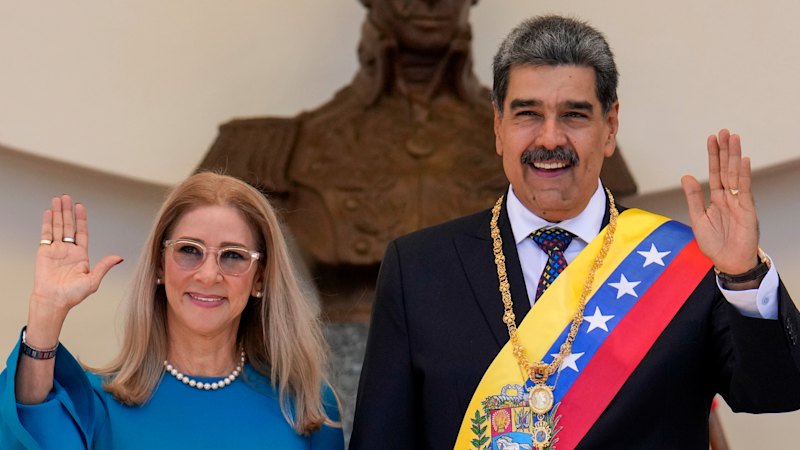
Every time international prosecutors wheel out another sweeping indictment against Nicolas Maduro and his inner circle, the global press corps treats it as a prelude to a courtroom drama. Headlines scream about human rights abuses, narco-trafficking, and institutionalized torture, framing the legal onslaught as the final tightening of a moral noose. It makes for clean television. It offers a comforting narrative of cosmic justice where bad actors eventually answer to a gavel.
It is also an exercise in profound geopolitical self-delusion. If you liked this article, you should read: this related article.
I have spent decades watching foreign policy wonks mistake legal paperwork for structural leverage. Charging authoritarian heads of state with transnational crimes satisfies a domestic appetite for retribution, yet it fundamentally misunderstands how autocracy survives in the twenty-first century. Dictatorships do not fall because prosecutors in foreign jurisdictions draft sufficiently eloquent indictments. They persist because the underlying architecture of power, money, and patronage remains entirely intact long after the ink dries on a federal charge sheet.
The Myth of the Jurisdictional Silver Bullet
The lazy consensus among international legal advocates is simple: raise the cost of impunity high enough, and the regime will fracture from within. Build watertight cases under universal jurisdiction, pile on the narcotics counts, and watch the inner circle turn on their leader to save their own skin. For another look on this story, check out the recent coverage from The Guardian.
History offers a brutal corrective to this theory. Pinochet walked airports as a senator long after Spanish magistrates drew up warrants. Omar al-Bashir evaded the International Criminal Court for years while domestic generals played musical chairs with the presidency. When you threaten an autocrat with life imprisonment without the possibility of parole, you do not convince them to surrender. You convince them that stepping down is a one-way ticket to a concrete box, thereby guaranteeing they will fight to the absolute bitter end with every institutional weapon at their disposal.
Indicting a sitting or de facto leader creates an unbreakable siege mentality. It forces security chiefs, intelligence heads, and military commanders to hitch their personal survival directly to the dictator. If Maduro goes down, the entire apparatus that sustained him goes down with him. Prosecutors think they are offering incentives for defection. In reality, they are cementing a mutual suicide pact.
Sanctions and the Bureaucracy of Smuggling
Another staple of the standard commentary is the belief that economic strangulation combined with criminal charges will starve the regime of oxygen. Washington and Brussels have spent years tightening financial sanctions, freezing assets, and hunting down front companies across the Caribbean and the Middle East.
Yet Venezuela’s leadership adapted with ruthless efficiency. They did not reform; they innovated. They pivoted from conventional crude exports to an underground economy of gold mining syndicates, cryptocurrency obfuscation, and clandestine ship-to-ship oil transfers operating in the dark corners of maritime tracking.
When you criminalize the formal economy of an oil-rich state, you do not eliminate the trade. You merely hand a monopoly on contraband to the state security apparatus. The generals and intelligence bosses running these parallel supply chains are not crying over frozen Western bank accounts because they have already diversified into cash, bullion, and untraceable digital assets managed through proxy networks in permissive jurisdictions. Legal charges issued by distant tribunals are business expenses for a cartel operating with sovereign immunity.
The Realpolitik Nobody Wants to Print
Let us confront the uncomfortable truth that human rights reports gloss over to preserve diplomatic politeness. Real political transitions do not happen because a prosecutor unseals a grand jury indictment. They happen through cold, transactional compromise.
If Venezuela is ever to see a stable opening, it will not be engineered by a courtroom in New York or The Hague. It will require cutting deals with individuals whose hands are thoroughly dirty. It will mean offering safe passage, asset protection, or political amnesty to figures who deserve none of it. That is the nauseating math of dismantling entrenched tyranny. You either demand total moral purity and watch the status quo endure indefinitely, or you accept the dirty mechanics of negotiated exile.
Every hour spent celebrating a new indictment is an hour wasted on wishful thinking. The international community hides behind the rhetoric of accountability because actual intervention is messy, expensive, and politically perilous. It is much easier to hold a press conference announcing charges than it is to grapple with the grinding, unglamorous work of regional diplomacy and security guarantees.
Stop waiting for the gavel to drop. It never will. Until foreign capitals understand that autocrats do not negotiate under the threat of a cell block, Venezuelan civil society will continue to pay the price for our collective addiction to judicial theater.