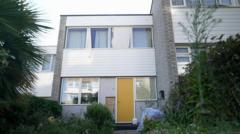
The media loves a youthful sacrifice. There is a toxic, modern obsession with the 23-year-old immigrant who moves halfway across the world, forfeits every shred of disposable income, and proudly declares they do not need new clothes because they bought a piece of suburban real estate. We are trained to applaud this. We call it maturity. We call it "securing a family's future."
It is actually a mathematical tragedy.
Forcing yourself into the crushing gears of a foreign property market before you even understand your own career trajectory is not financial wizardry. It is a trap wrapped in the illusion of stability. The conventional wisdom tells young expats that renting is throwing money away and buying a home in a "safe" Western market like Australia is the ultimate shield against insecurity.
They are wrong. They are conflating a massive, illiquid debt obligation with safety.
The Illusion of the Safe Haven Market
Let’s dismantle the premise of the classic immigrant property dream. Australia’s property market, specifically across major hubs like Sydney and Melbourne, has been treated as an infallible wealth machine for three decades. But buying into a hyper-inflated market at the absolute start of your working life ignores a fundamental rule of wealth creation: opportunity cost.
When you are 23, your greatest asset is not capital. It is agility.
By locking yourself into a 30-year mortgage in a foreign country, you are making a massive, unhedged bet on three volatile variables:
- Your current job security in a country where your visa status may be tied to employment.
- Local interest rates remaining favorable.
- The assumption that physical property will outperform the broader market over the next decade.
Imagine a scenario where a young professional puts every cent of their savings into a down payment for a townhouse in the Melbourne suburbs. Two years later, a massive career opportunity opens up in Singapore or New York—a role that would double their lifetime earning trajectory. Instead of packing a bag and leaving in 48 hours, they are tethered. They have to manage international property agents, deal with cross-border tax compliance, negative gearing realities, and potential tenant vacancies.
The mortgage did not buy security. It bought a cage.
Dismantling the Rental Myth
"Renting is paying someone else's mortgage." It is the loudest, dumbest phrase in personal finance.
When you rent, you are buying flexibility and capping your maximum monthly housing cost. When you own a home, your mortgage payment is the minimum you will pay. Property taxes, body corporate fees, maintenance, insurance, and the silent killer—interest expense—are money gone forever. They do not build equity.
Let's look at the actual mechanics of a standard home loan using basic amortization principles. In the first seven to ten years of a 30-year mortgage, your payments are heavily front-loaded toward interest. You are not buying a house; you are renting money from a bank.
If a 23-year-old immigrant takes out a $600,000 AUD loan at current market rates, the sheer volume of capital funneled purely into interest during the first five years is staggering. If that same capital—the down payment plus the monthly gap between renting and owning—was aggressively poured into liquid index funds or used to fund a high-margin side business, the compounding effect would vastly outpace the slow, leveraged growth of a suburban home.
I have watched young professionals burn out by age 26 because they are working two jobs just to feed a property. They skip the networking events, they skip the skill-building courses, and they refuse to take career risks because they cannot afford a single month without income. They sacrificed their highest-leverage years to become a unpaid property manager for their own life.
The Visa Vulnerability Nobody Talks About
There is a glaring, dangerous omission in the "buy property early as an immigrant" narrative: immigration law.
Buying a home does not guarantee a permanent visa. In many Western nations, temporary residents face heavy surcharges just to purchase residential real estate. For example, Australia’s Foreign Investment Review Board (FIRB) slaps significant fees on temporary visa holders looking to buy, and if those individuals have to leave the country because their visa path falls through, they are often forced to sell their property within a strict timeframe.
Forcing a sale in a down market because a government department changed a policy sub-clause is a fast track to bankruptcy.
True security does not look like bricks and mortar that you can't move. True security for a young expat looks like:
- High Liquid Liquidity: Cash and easily redeemable equities that can cross borders instantly if a political or economic climate shifts.
- Unrivaled Skill Scarcity: Investing in your own capability so that any company, anywhere in the world, will sponsor you.
- Geographic Mobility: The freedom to exit a declining economy and enter a surging one without paying thousands in exit fees and capital gains taxes.
The Bitter Truth About Generational Wealth
The defense for the early mortgage is always "I am doing this for my family." It is an emotional shield designed to stop critical analysis.
If you truly want to secure your family's future, you do not buy an overpriced asset at the peak of a market cycle while sacrificing your quality of life. You build an engine of high earning capacity. Your 20s are meant for compounding your income potential, not capping it.
When you choose to live in old clothes and survive on ramen just to pay a bank interest, you aren't beating the system. You have surrendered to it. The system wants you indebted early. Indebted workers are compliant. They don't strike, they don't ask for massive raises, and they don't quit to start competing businesses.
Stop buying homes in your twenties out of fear. Rent the apartment. Take the career risks. Invest the difference in liquid assets. Build a life based on mobility and freedom, not a premature obligation to a plot of dirt.