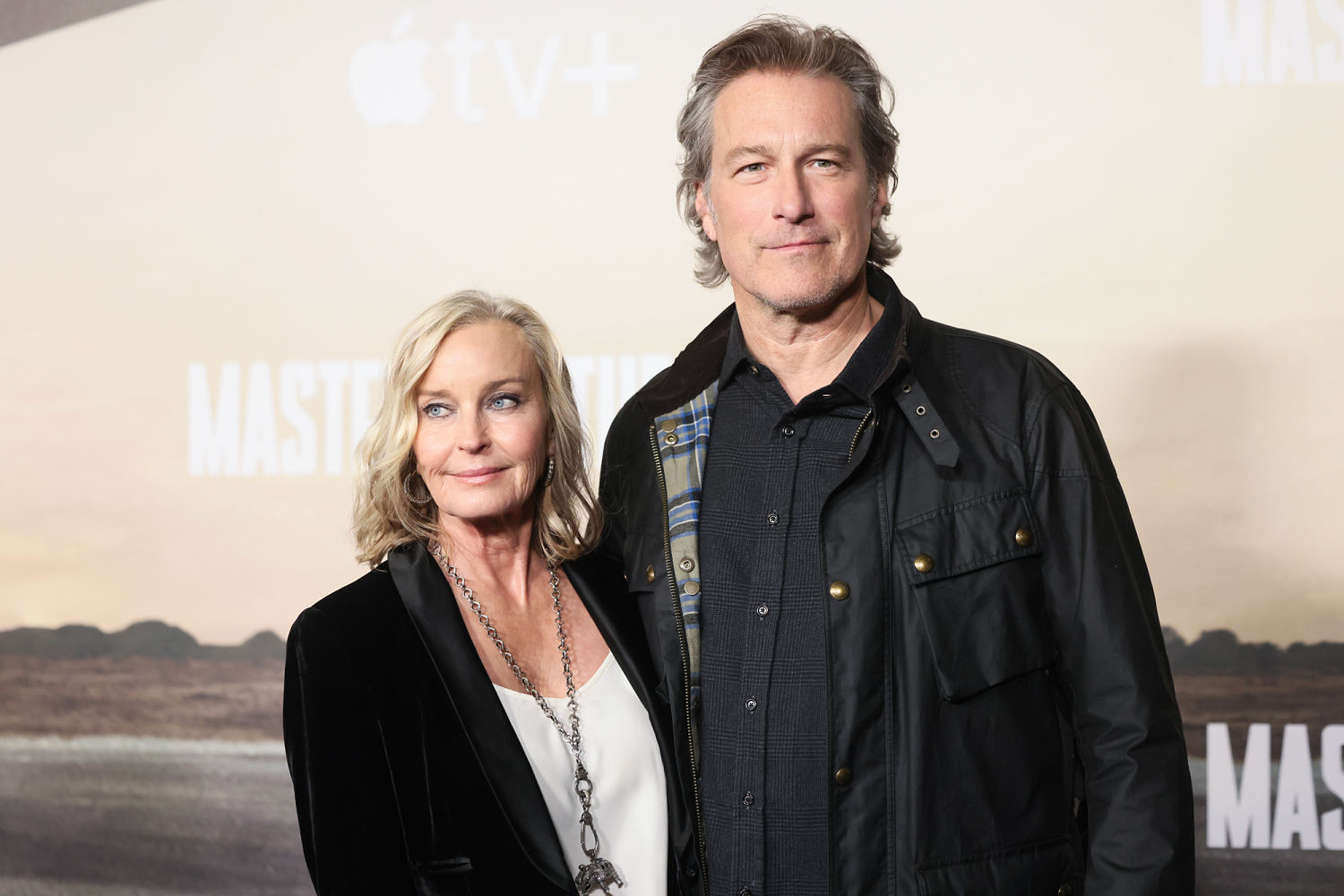
The internet loves a weeping-heart headline. When news broke that Bo Derek and John Corbett stepped in to adopt Bear, the surviving dog of the late Gene Hackman, entertainment outlets immediately tripped over themselves to crown the couple patron saints of animal rescue.
It is a neat, tidy fairy tale. A Hollywood legend passes away under tragic circumstances. Two other Hollywood fixtures swoop in, open their ranch doors, and give the grieving German Shepherd a storybook ending. Everybody claps. The press cycle moves on.
Here is the problem. That heartwarming narrative is built on a foundation of total ignorance regarding canine psychology, estate planning reality, and the actual mechanics of shelter overcrowding.
By treating high-profile celebrity pet handoffs as the gold standard of compassion, the media feeds a dangerous delusion. It convinces everyday pet owners that rehoming a bereaved animal is a simple matter of finding someone with a big heart and a bigger backyard. In reality, celebrity rescues often mask the systemic failures of how we handle pets after their owners die, while setting up ordinary adopters for catastrophic behavioral failure.
The Lie of the Fairy Tale Transition
Look at the coverage surrounding Bo Derek and John Corbett adopting Bear. Every single outlet framed the move as an effortless triumph of love. They pointed to Derek’s well-documented history as an animal advocate, her sprawling Santa Ynez Valley property, and Corbett’s easygoing public persona. The implicit message to the public is clear: put a traumatized dog on a nice ranch with famous, wealthy people, and the grief evaporates.
That is not how dogs work. Not even close.
I have spent years working alongside veterinary behaviorists, shelter directors, and estate attorneys cleaning up the mess left behind when an owner dies without a bulletproof transition plan. I have watched families blow tens of thousands of dollars on emergency boarding and board-and-train facilities because they assumed a dead relative’s dog would simply "adjust" to a new mansion. They rarely do.
When a dog loses its primary human—especially in a sudden or traumatic household event—its entire neurochemical baseline collapses. Dogs do not process death through abstract concepts of legacy or comfort. They process it through the sudden, violent erasure of every predictable scent, vocal cue, and daily micro-routine that kept their nervous system regulated.
Moving a senior or adult working breed like a German Shepherd from a quiet, insular routine into a brand-new environment—even a luxurious one—triggers massive cortisol spikes. Yet, because the adopters are famous, the public skips straight to the happy ending. Nobody talks about the weeks of hyper-vigilance, resource guarding, gastrointestinal distress, or shutdown behavior that almost always accompany this kind of sudden upheaval.
Why Wealth and Acreage Do Not Cure Grief
There is a persistent myth in pet culture that space equals salvation. Give a dog ten acres in California, and all its problems disappear.
Ask any certified applied animal behaviorist, and they will tell you the exact opposite is often true. For a dog experiencing acute separation distress and environmental dislocation, wide-open unfamiliar territory increases anxiety. Working breeds like German Shepherds are hardwired to patrol and secure a perimeter. Drop a grieving Shepherd onto an unfamiliar ranch, and you have not given it a vacation; you have handed it an overwhelming, high-stress security job it did not ask for.
What Everyone Gets Wrong About Post-Mortem Pet Placement
When a celebrity story like this goes viral, search engines light up with variations of the same naive questions. People want to know how they can adopt a famous person's pet, or what happens to animals when owners die without immediate family stepping up.
Let us dismantle the premise behind those questions right now.
"Who gets a pet when the owner dies?"
Most people assume their pets will automatically go to the friend or relative who smiled at them during Thanksgiving dinner. Legally, that assumption is worthless. Under the law in almost every jurisdiction, companion animals are classified as tangible personal property—no different from a toaster, a sofa, or a vintage watch.
If you do not have a legally binding pet trust or specific testamentary provisions backed by dedicated funds, your dog enters probate limbo. Even when high-profile figures pass away, the scramble behind the scenes to place surviving animals is frequently chaotic. In Bear’s case, having well-connected peers like Derek and Corbett available prevented the dog from entering a municipal shelter system.
For 99.9 percent of the population, there is no Bo Derek waiting in the wings. According to data consistently tracked by organizations like Shelter Animals Count, owner surrender and owner-deceased intakes remain a steady, heartbreaking pipeline into municipal shelters. When an ordinary person dies without a funded care plan, their beloved companion does not get a profile in People magazine. It gets a seven-day stray hold in a concrete kennel, followed by a behavioral evaluation while terrified out of its mind.
"Is it better for a grieving dog to go to a celebrity home than a shelter?"
Obviously, avoiding a high-intake municipal shelter is better than landing in one. Nobody is arguing that Bear should have been dropped at a county pound.
The flaw in the question is the false binary. It assumes the only two options in the universe are a celebrity savior or a death-row kennel. The actual gold standard for post-mortem pet care is neither. It is pre-designated, familiar continuity.
A dog does not care about net worth, fame, or acreage. A dog cares about familiarity. The best outcome for a bereaved animal is placement with someone already embedded in its social circle—a dog walker, a neighbor, a housekeeper, or a close friend who smells familiar and already knows the animal's subtle stress signals. When the media glorifies strangers (even kind, wealthy ones) swooping in after the fact, it actively discourages people from doing the unglamorous legal and social prep work required while they are still alive.
The Dark Side of the "Hero Adopter" Complex
Celebrity pet adoptions do something insidious to the broader rescue ecosystem: they fuel the Hero Adopter Complex.
Every time a major star adopts a dog under tragic circumstances, local shelters see a predictable spike in inquiries from well-meaning fans looking to replicate the dopamine hit. They want the "tragic backstory" dog. They want to feel like the savior who rescued an animal from darkness.
Here is the brutal truth that shelter workers are often too polite—or too desperate for placement numbers—to say out loud: people who adopt out of pity make terrible long-term owners.
Pity is an unstable emotion. It burns bright for seventy-two hours and evaporates the second the dog destroys a doorframe, snaps at a houseguest, or refuses to eat for four days. In the animal welfare industry, we call this the "honeymoon crash." Adopters bring home a grieving animal expecting instant gratitude—the cinematic moment where the dog looks into their eyes and realizes it has been saved.
Dogs do not feel gratitude. Gratitude is a human construct. Dogs feel safe, or they feel threatened.
When an adopter expects a Disney movie and gets a seventy-pound German Shepherd pacing the hallways at 3:00 AM panting from acute anxiety, the fantasy shatters. Worse, because the celebrity press never reports on the grueling behavioral rehabilitation required after the photo op, everyday adopters assume something is "wrong" with the dog when it struggles to bond. Many of those dogs end up returned to the shelter within thirty days, now carrying a "bite history" or "severe behavioral issues" label on their intake sheet—a virtual death sentence in an overcrowded system.
The Bo Derek Halo Effect and the Attention Economy
None of this is an attack on Bo Derek or John Corbett personally. By all credible accounts, Derek has spent decades genuinely advocating for equines and companion animals, including serving on the California Horse Racing Board and working with wildlife organizations. If Bear had to land with someone outside his immediate daily circle, landing with experienced animal handlers who possess vast resources is objectively a safe harbor.
The target here is the celebrity-industrial complex that weaponizes their private act of kindness into public spectacle.
Look at how attention works in modern animal welfare. Millions of eyeballs and thousands of articles will be dedicated to the placement of one single dog because his late owner won two Oscars and his new owners starred in 10 and Northern Exposure. Meanwhile, in the exact same county, dozens of senior German Shepherds—dogs with the exact same temperament, loyalty, and capacity for love—are sitting in cages, completely invisible to the public.
This is the core rot of celebrity animal coverage. It turns systemic welfare crises into isolated celebrity trivia. Readers consume the story, experience a brief, warm surge of oxytocin, share the link on Facebook, and feel as though they have participated in animal advocacy. They have not. They have consumed entertainment.
The PR Laundering of Pet Overpopulation
Even worse, entertainment media uses these stories to sanitize the reality of aging pets. Bear is an older dog. Caring for an aging large-breed dog is expensive, physically demanding, and emotionally exhausting. It involves degenerative myelopathy, hip dysplasia, incontinence, specialized diets, and veterinary bills that easily climb into the five-figure range.
When billionaires and millionaires adopt senior dogs, those logistical nightmares are outsourced to private trainers, house staff, and concierge veterinarians. When an average middle-class family gets inspired by the headline and adopts a senior Shepherd without realizing what the next three years will cost in time and cash, they end up financially devastated or forced to make an agonizing economic euthanasia decision.
What Responsible Post-Mortem Pet Planning Actually Looks Like
If you want to actually honor the spirit of caring for animals after an owner passes away, stop applauding celebrity headlines and start looking at your own estate plan.
The industry standard promoted by organizations like the American Society for the Prevention of Cruelty to Animals (ASPCA) and leading estate planning attorneys is ruthless in its practicality. Love is not a legal strategy. If you own a pet, your obligation does not end when your heart stops beating.
1. Establish a Statutory Pet Trust, Not a Will Provision
Putting a pet in your standard will is a rookie mistake. Wills take months—sometimes years—to go through probate. Your dog needs to eat tonight, and it needs continuity tomorrow morning. Furthermore, a will cannot legally compel someone to spend money on an animal's care; once the money is handed over, the beneficiary can legally pocket the cash and drop the dog at a shelter the next afternoon.
A statutory pet trust (valid in all 50 U.S. states) goes into effect immediately upon your incapacitation or death. It separates the caregiver (the person who houses the dog) from the trustee (the person who controls the money). That check-and-balance ensures the funds are strictly used for veterinary care, food, and enrichment, and gives the trustee legal standing to remove the dog if the caregiver neglects their duties.
2. Run a "Continuity Audit" While You Are Healthy
Do not name your sister in Chicago as your dog's guardian if your dog lives in New Mexico and has met your sister twice.
Audit your pet’s actual daily relationships. Who does your dog greet with loose, wiggly body language? Who already knows how your dog reacts to thunderstorms, strangers at the gate, or grooming?
- Primary Guardian: Should ideally live within driving distance and already have an established bond with the animal.
- Backup Guardian: Mandatory. Life circumstances change; your first choice might develop allergies, move into a no-pet condo, or face a health crisis of their own.
- Emergency Wallet Card: Carry a physical card in your wallet and tape a notice inside your front door listing your pet’s emergency contact. First responders cannot call someone they do not know exists.
3. Document the Micro-Routines
When a dog loses its owner, predictability is the only medicine that works. Write down a blunt, unsentimental "operating manual" for your pet and keep it updated annually.
Skip the poetic descriptions of your dog’s soul. Include the operational facts:
- Exact brand, weight, and feeding times of food (sudden diet changes combined with grief cause severe hemorrhagic gastroenteritis in dogs).
- Specific behavioral triggers (e.g., "Guards high-value chews," "Panics if approached from behind while sleeping," "Reactive toward intact males on leash").
- Complete veterinary records, microchip numbers, and current medication dosages.
The Uncomfortable Truth About Celebrity Compassion
There is a downside to taking this hardline, unsentimental view of celebrity pet rescues. Critics will argue that any positive press around adoption—even celebrity-driven fluff—keeps animal welfare in the public conversation. They will say that shaming the narrative risks discouraging wealthy people from stepping up when high-profile pets need homes.
Let them argue it. Keeping animal welfare in the conversation under completely false pretenses does more harm than silence.
When the public is conditioned to view pet guardianship through the lens of celebrity fairy tales, we breed a culture of impulsive, emotionally driven ownership and zero-foresight estate planning. Bear will be fine. He has a sprawling ranch, experienced handlers, and every resource money can buy.
The millions of dogs belonging to ordinary people who will pass away this year without a trust, without a backup guardian, and without a headline will not be fine. Stop applauding the Hollywood ending and go call an estate attorney.