The ink is barely dry on the Israel-Lebanon ceasefire papers, and the global media is already patting itself on the back for "witnessing history." Donald Trump is taking a victory lap before even stepping back into the Oval Office. The markets are pricing in a "de-escalation premium." They are all fundamentally wrong.
This isn't a peace deal. It is a strategic pause designed to retool for a more lethal phase of regional restructuring. Calling this a "ceasefire" is like calling a timeout in a boxing match a retirement ceremony.
Mainstream outlets are obsessed with the optics of the 60-day implementation window. They focus on the withdrawal of Israeli troops and the deployment of the Lebanese Armed Forces (LAF). What they ignore is the brutal reality of power vacuums. If you believe the LAF—an institution currently held together by duct tape and foreign subsidies—is going to suddenly disarm a battle-hardened Hezbollah, you aren't reading the room. You’re reading a fairy tale.
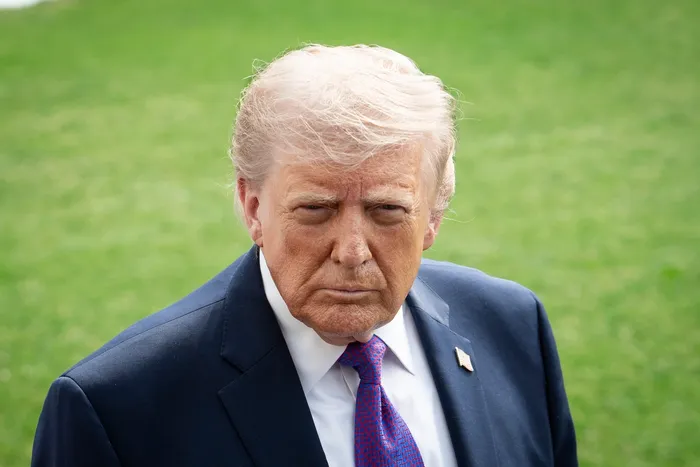
The Trump Factor Is a Branding Exercise Not a Policy Shift
The narrative that Trump "struck" this deal from the sidelines is a masterclass in political theater. It assumes that geopolitical actors move because of a Truth Social post. In reality, the Israeli security cabinet and the remnants of Hezbollah’s leadership are playing a much longer game than a four-year election cycle.
Israel isn't stopping because of a tweet. They are stopping because they have reached the point of diminishing returns in southern Lebanon. They have decapitated the leadership, destroyed the majority of the Radwan Force’s immediate infrastructure, and now face the prospect of a muddy, expensive, and politically draining ground occupation. A "deal" allows them to consolidate gains while keeping the threat of "unlimited response" in their back pocket.
Trump’s involvement provides the necessary political cover for Benjamin Netanyahu. It allows the Israeli Prime Minister to frame a tactical pause as a gift to a future ally rather than a concession to current pressures. It’s a branding pivot, not a diplomatic breakthrough.
The Fallacy of the Buffer Zone
Every analyst is currently staring at maps of the Litani River. They point to UN Resolution 1701 as if it were a physical wall. Let’s be clear: 1701 has been a documented failure since 2006.
The "lazy consensus" suggests that moving Hezbollah fighters north of the Litani fixes the problem. It doesn't. We are living in an era of precision guided munitions (PGMs) and long-range drone technology. A missile fired from 30 kilometers away is just as lethal as one fired from 5 kilometers away.
By focusing on physical geography, negotiators are fighting a 20th-century war. Modern conflict is about supply chains and technical expertise. Unless this deal physically removes the Iranian-backed logistics hubs located deep in the Bekaa Valley and the heart of Beirut, the threat remains identical. Hezbollah is not a territorial army; it is a mobile insurgency integrated into the civilian fabric. You cannot "withdraw" an ideology from its own backyard.
Why the Market is Mispricing This Risk
Wall Street loves a ceasefire. Oil prices dip, defense stocks stabilize, and the "risk-off" sentiment fades. This is a mistake.
When a conflict goes "cold," the intelligence gathering doesn't stop; it intensifies. We’ve seen this pattern across every major proxy war in the last fifty years. The 60-day window isn't for peace—it's for restocking.
- Hezbollah needs to reorganize its shattered command structure.
- Israel needs to rotate reservists who are exhausted from a multi-front engagement.
- Iran needs to calibrate how much more capital it wants to sink into a bruised asset.
Investors who think the "Lebanon problem" is solved are ignoring the structural instability of the Lebanese state. Lebanon is a bankrupt entity. A ceasefire doesn't fix a 90% currency devaluation. It doesn't fix the fact that the state cannot provide basic electricity. Peace requires a foundation. Lebanon is a sinkhole.
The Myth of the "Enforcement Mechanism"
The most glaring flaw in the current agreement is the reliance on a US-led monitoring committee. History is littered with the corpses of monitoring committees.
Think about the mechanics. If a monitoring drone spots a Hezbollah operative moving a crate into a basement in a village south of the Litani, what happens?
- The US notifies the committee.
- The committee notifies the Lebanese Army.
- The Lebanese Army—composed of many soldiers who share sectarian ties with Hezbollah—is asked to go in and seize the crate.
In the real world, that crate is gone before the first email is sent. Or worse, the Lebanese Army refuses to move to avoid a civil war. Israel then feels "forced" to strike. The ceasefire breaks. We are back to square one, but with more sophisticated weapons on both sides.
Diplomacy as Deception
We need to stop viewing diplomacy as the end of war. In the Levant, diplomacy is simply war by other means. It is a tool used to buy time, manipulate international opinion, and reposition assets.
The current "deal" is a high-stakes bet that everyone is too tired to keep fighting. But exhaustion is not a strategy. It’s a temporary state of being. The underlying friction—the presence of an armed-to-the-teeth non-state actor on a sovereign border—remains entirely unaddressed.
The Counter-Intuitive Truth
The most dangerous moment for the Middle East isn't during the heat of the bombardment; it’s during the quiet of the ceasefire. This is when the real shifts happen. This is when the next decade of conflict is mapped out in secret rooms in Tehran, Tel Aviv, and Riyadh.
The media wants you to celebrate. They want the "peace in our time" headline because it generates clicks and provides a sense of closure. But closure is a Western luxury that the Middle East does not afford.
If you are a business leader or a policy maker, do not de-risk your posture based on this news. Double down on your contingency plans. The "ceasefire" is the loudest warning shot you will ever get.
Watch the shadows, not the podiums. The weapons haven't been put away; they are just being cleaned.
Stop looking for the end of the war. Start looking for where the next one is being built under the cover of this "diplomatic success."
The theater is over. The real work of preparing for the next escalation has just begun.