The Victory Parade of Losers
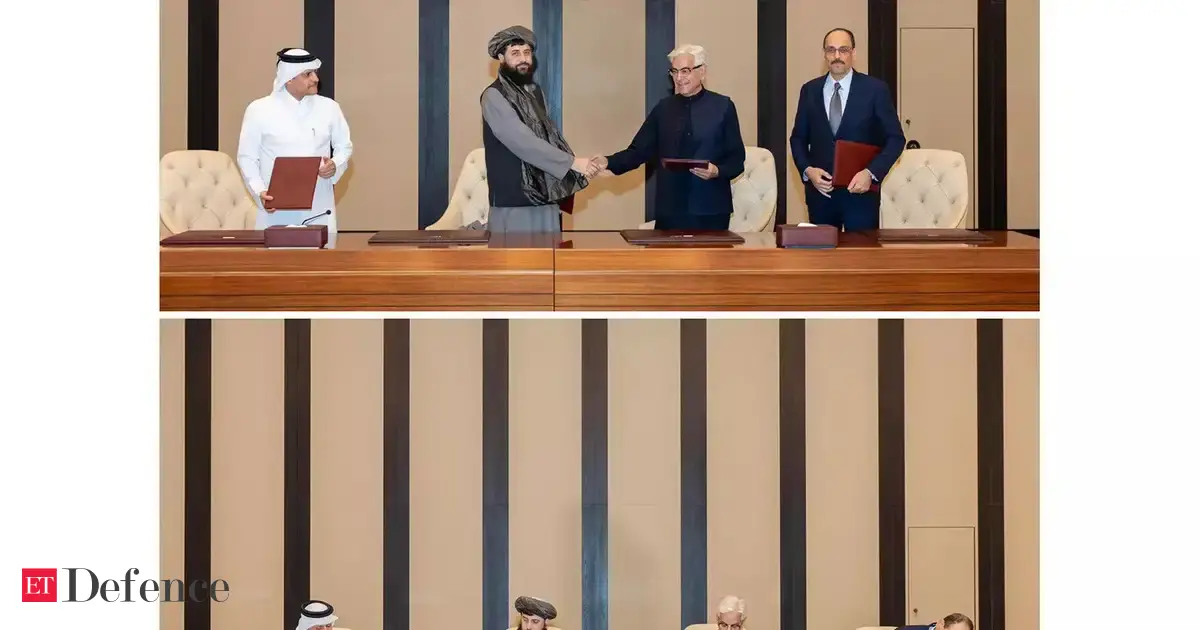
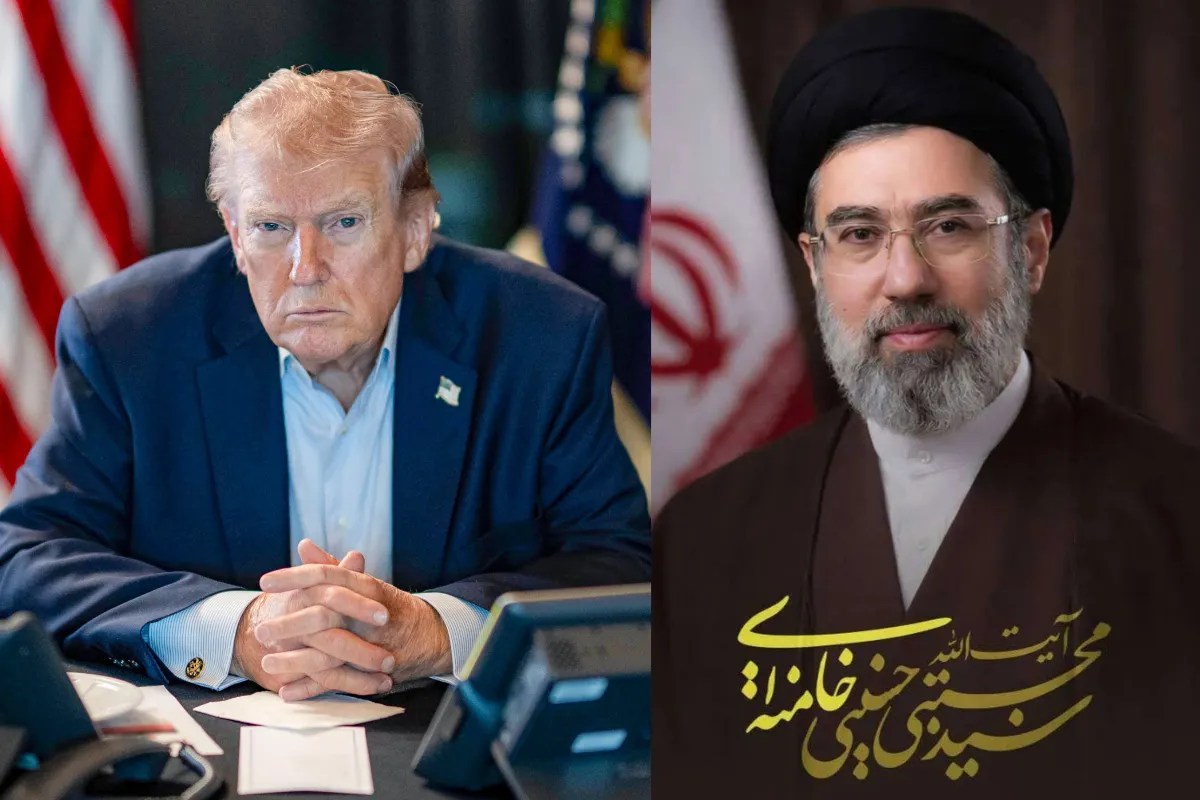
Tehran claims a strategic win. Washington brags about successful diplomacy. Most analysts are busy tallying up the "gains" like bookkeepers at a bankrupt firm. They are all wrong. What we are witnessing isn't a masterclass in geopolitical maneuvering; it’s a desperate frantic scramble to maintain a status quo that has already dissolved.
The common narrative suggests that a ceasefire or a cooling of tensions between Iran and the U.S. creates a "win-win" scenario. It doesn't. It creates a vacuum. When two entities claim victory simultaneously over the same set of concessions, it means neither has the power to actually enforce their will. Tehran is posturing to keep its internal dissent from boiling over, while Washington is printing diplomatic "success" stories to mask a total lack of long-term Middle East strategy.
The Myth of Iranian Leverage
Let’s dismantle the idea that Iran has come out on top. The "resistance axis" is fraying. For years, the industry consensus was that Iran held all the cards in the Strait of Hormuz and through its regional proxies. I have sat in rooms with energy analysts who treated Iranian threats like gospel.
They’re wrong.
Iran’s economy is a hollow shell. Inflation isn't just a number there; it's a social contagion. Any "victory" claimed by the Ayatollahs is a PR exercise designed for a domestic audience that is increasingly tired of trading bread for ballistic missiles. If Iran had truly won, they wouldn't be at the table. They are there because the cost of shadow boxing with the West has become existential.
Washington’s Diplomatic Delusion
On the flip side, the American claim of "containing" the conflict is equally laughable. You don't contain a fire by letting the embers spread to different rooms. The U.S. policy in the region has shifted from proactive leadership to reactive firefighting.
The "nuance" the mainstream media misses is that Washington isn't leading the peace process; it’s being led by the fear of $150-a-barrel oil during an election cycle. This isn't diplomacy; it's price management. By validating Tehran’s claims through high-level engagement, the U.S. has effectively signaled that brinkmanship works.
India’s Misplaced Anxiety
Now, let’s talk about the "India impact" everyone is obsessing over. The standard take is that India is caught in the middle, worried about energy security and the Chabahar port.
Stop.
India’s position is far more dominant than the "worried bystander" trope suggests. India is one of the few global powers that can talk to everyone without losing its soul. While the Patrika-style analysis worries about how India will "cope," the reality is that India is the only adult in the room.
The Energy Fallacy
The "expert" consensus says India needs Iranian stability for oil. This is 1990s thinking. India has spent the last decade diversifying its energy basket with surgical precision.
- Russia: India transformed its trade relationship overnight, securing discounted Urals while the West watched in stunned silence.
- The US: Energy imports from the States have surged.
- Renewables: India is scaling solar at a pace that makes the EU look like it's standing still.
India doesn't need a Tehran-Washington truce to keep the lights on. It needs a volatile market where it can use its status as a massive buyer to dictate terms. Stability is for the weak; optionality is for the strong.
Chabahar: The Geopolitical Sunk Cost
People love talking about the Chabahar port as India's "bridge" to Central Asia. It’s time for a reality check. Chabahar is a strategic hedge, not a lifeline. Its importance is constantly overblown by analysts who love drawing lines on maps but never look at a balance sheet.
The bottleneck isn't the port; it's the Iranian bureaucracy and the crumbling infrastructure surrounding it. If the Tehran-Washington tension truly ended tomorrow, Chabahar wouldn't suddenly become the next Dubai. It would still be a port in a country with a fractured banking system and zero transparency. India’s real "victory" isn't the port—it’s the fact that it kept China out of that specific piece of coastline while spending a fraction of what Beijing wastes on the Belt and Road Initiative.
The Global Shell Game
The ceasefire is a tactical pause, not a strategic shift. We are seeing a "shadow peace." It’s a period where both sides agree to stop punching each other in the face so they can reload their pockets.
Investors and businesses waiting for "certainty" in the Middle East are chasing a ghost. Certainty is dead. The new model is managed instability.
If you are a business leader or a policy maker, and you are waiting for a clear signal that the Iran-U.S. saga is "over," you’ve already lost. The winners are those who build systems—supply chains, energy grids, and trade routes—that thrive on the friction between these two powers.
The Brutal Truth About "Impact"
What will the impact be on India?
It will be negligible.
India has already priced in the chaos. The Rupee doesn't collapse every time there's a drone strike in the Gulf anymore. The Indian stock market has developed a thick skin that Western analysts can't comprehend.
The real risk isn't the war or the peace; it's the belief that India’s fate is tied to the whims of a declining superpower and a struggling theocracy.
Stop Asking the Wrong Questions
People ask: "Who won the ceasefire?"
The answer: Nobody.
People ask: "How will India survive the fallout?"
The answer: India isn't surviving; it’s supervising.
The industry needs to stop treating every diplomatic sneeze in the Middle East like a global pneumonia. Tehran is weak. Washington is distracted. India is busy building the next decade's global economy.
Quit looking at the "claims" of victory. Look at the capital flows. The money isn't rushing back into Iran, and it’s not fleeing India. That tells you everything you need to know about who actually holds the power.
The era of Middle Eastern drama dictating Indian destiny is over.
Ignore the headlines. Watch the ships. Follow the money.