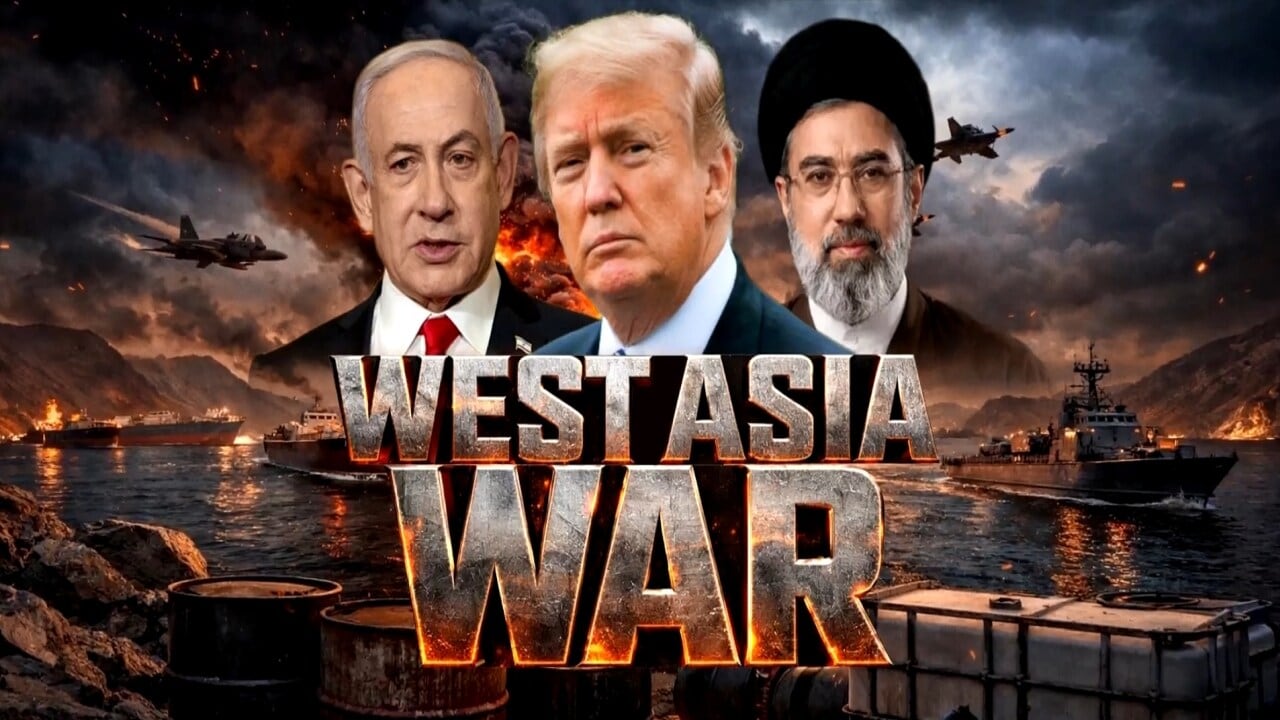
Two weeks of silence is not peace. It is a reload.
Mainstream media outlets are currently tripping over themselves to celebrate the "relief" of a fourteen-day pause in West Asia. They paint a picture of exhausted populations catching their breath and diplomats finally finding a "window for de-escalation." This narrative is more than just naive; it is a fundamental misreading of how modern asymmetric warfare operates.
If you think this ceasefire is a step toward stability, you haven't been paying attention to the last thirty years of regional friction. Stability is the one thing no one on the ground actually wants right now.
The Myth of the "Cooling Off" Period
The "lazy consensus" suggests that pauses in violence naturally lead to a reduction in tension. The logic follows that if people stop shooting, they start talking.
Reality disagrees. In high-intensity regional conflicts, a short-term ceasefire serves three tactical purposes that have nothing to do with diplomacy:
- Inventory Management: You cannot move heavy hardware under a drone-saturated sky during active combat. You can move it during a ceasefire. Two weeks is the perfect window to reposition missile batteries and replenish man-portable air-defense systems.
- Intelligence Re-calibration: When the kinetic noise stops, signals intelligence (SIGINT) gets clearer. Both sides are currently using this "relief" to map out exactly where the other side’s new firing positions are located.
- Domestic Theatre: For the governments involved, a ceasefire is a pressure valve to satisfy international backers. It buys them the political capital required to hit harder when the clock runs out.
When experts say this brings relief, they are looking at the immediate humanitarian data and ignoring the long-term structural incentives. By pausing the conflict without resolving the underlying territorial or ideological triggers, you aren't preventing a fire; you are building a pressure cooker.
The Tragedy of Humanitarian Theater
We need to be brutally honest about aid corridors. During a two-week pause, the influx of supplies is often cited as the primary "win."
However, anyone who has spent time in logistics or geopolitical risk assessment knows the dark side of this trade. Aid becomes a currency. The groups in control of the ground use the distribution of these resources to cement their grip on the local population. By flooding a zone with temporary supplies during a brief window, you inadvertently fund the very structures that sustain the fighting.
Imagine a scenario where a local militia controls the only three warehouses allowed to receive international flour. The "relief" isn't going to the families; it’s going to the fighters who then sell it or ration it to ensure loyalty. The ceasefire doesn't feed the hungry; it weaponizes their hunger for the next phase of the campaign.
Why "Experts" Always Get the Escalation Risk Wrong
The competitor article claims "risks of fresh escalation remain." That is a cowardly way of saying "water is wet."
The risk isn't just "remaining"—it is being actively manufactured. Escalation is a tool of negotiation. In West Asia, you don't get what you deserve; you get what you have the leverage to take.
Most analysts view escalation as a mistake—an accidental slide into a bigger war. They are wrong. Escalation is a calculated choice. If a state actor feels the ceasefire didn't yield enough concessions at the table, they will trigger a "controlled" escalation to reset the terms.
We see this cycle repeat because the cost of a long-term, grinding stalemate is often higher than the cost of a sharp, violent spike that forces a new status quo. The "experts" are looking for a return to the 1990s-style peace process. That world is dead. We are now in an era of "permanent grey-zone friction," where the line between peace and war is intentionally blurred to keep rivals off-balance.
Stop Asking if the Ceasefire Will Last
You are asking the wrong question. Whether the ceasefire lasts sixteen days or sixty is irrelevant.
The question you should be asking is: Who benefited the most from the pause?
- The State Actor: They got to satisfy the UN, pacify their internal opposition, and fix their tanks.
- The Non-State Actor: They got to disappear back into the civilian infrastructure and reset their ambush points.
- The Diplomat: They got to keep their job by showing a "tangible result," however fleeting.
The only people who lose are the civilians who are given the false hope that the war is ending. They return to homes that are still in the crosshairs, thinking the worst is over, only to be caught in the inevitable "fresh escalation" that the experts warned about with such profound lack of urgency.
The Counter-Intuitive Truth: Friction is the Point
If we actually wanted to end the cycle, we would stop calling for two-week Band-Aids. These pauses are the oxygen that allows these wars to breathe for decades.
A ceasefire that doesn't address the "why" only facilitates the "how." It’s a logistical pit stop.
True stability in this region has historically come from one of two things: a decisive military victory or a total economic exhaustion that makes further fighting impossible. By constantly intervening with short-term pauses, the international community prevents either of those outcomes from happening. We are effectively subsidizing a forever war by ensuring neither side ever truly loses enough to quit.
The Actionable Reality
If you are an investor, a policy-maker, or just a concerned observer, do not look at the handshakes in Doha or Cairo. Look at the satellite imagery of supply routes. Look at the price of fuel in the border towns. Look at the movement of high-level commanders.
If the hardware is moving toward the front during the "peace," the peace is a lie.
The "relief" mentioned in the headlines is a ghost. It’s the silence of a predator waiting for the right moment to strike. Those who treat this as a breakthrough are the same people who were "surprised" by every major escalation of the last decade.
Stop falling for the theater. The war hasn't stopped; it’s just getting its second wind.
When the first rocket fires on day fifteen, don't call it a "failure of diplomacy." Call it what it is: the planned resumption of a business model that everyone involved is too invested in to let go.
Get your head out of the sand. The quiet is the most dangerous part.