Ten climbers didn't come back from Broad Peak. Let that sink in.
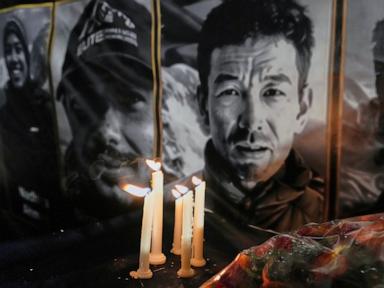
Mountain climbing isn't just a hobby. It's a high-stakes gamble with gravity, weather, and pure exhaustion. When disaster strikes at nearly 8,000 meters, the echoes reach far beyond the snowy ridges of Pakistan's Karakoram range. Recently, people gathered in Islamabad with flickering candles. They didn't just mourn. They tried to process a tragedy that shook the entire mountaineering community.
You might wonder why a memorial miles away from the mountain holds such weight. Islamabad serves as the gateway and the administrative heartbeat for major expeditions. It's where dreams of summiting begin and where families wait for news. When tragedy hits peaks like Broad Peak, the capital becomes a place of shared grief.
The Reality of Broad Peak
Broad Peak is the twelfth-highest mountain on Earth. It sits right next to K2. People often call K2 the savage mountain, but Broad Peak has its own brutal personality. Long ridges, brutal winds, and extreme cold test every ounce of human endurance.
Climbing these giants isn't like hiking a local trail. Weather shifts in minutes. A clear blue sky turns into a blinding whiteout before you can zip your jacket. Teams spend weeks acclimatizing, pushing their bodies past normal limits.
When things go wrong up there, rescue operations face massive hurdles. Helicopters can only fly in specific weather windows. High-altitude porters risk their own lives trying to help others.
Remembering the Lost
The Islamabad vigil brought together fellow climbers, diplomats, locals, and families. Candlelight flickered against the night air as people shared stories of the fallen. These weren't anonymous statistics. They were experienced mountaineers with names, families, and deep passions for high places.
Honoring them in the capital highlights the human cost of extreme sports. It reminds the public that adventure tourism carries ultimate risks.
People often romanticize mountaineering. Movies and social media showcase the glorious summit photos. They rarely show the grueling hours of suffering, the frostbite, or the heartbreak of losing a teammate. The vigil cut through the glossy Instagram aesthetic. It brought everyone face-to-face with reality.
What We Miss About High Altitude Risks
Most media coverage focuses only on the peak moment. Did they summit or not? That question ignores everything that happens underneath the surface.
Climbers face immense pressure. Sponsorships, personal goals, and years of preparation push people to ignore warning signs. Turning back hurts worse than physical fatigue. Knowing when to quit takes more courage than pushing forward into a storm.
We need to talk more about safety protocols and support systems for local high-altitude workers. Porters carry the heaviest loads with the least recognition. When accidents happen, foreign climbers often grab headlines, but local families face permanent losses too.
Moving Forward Responsibly
If you follow mountaineering or plan to trek in these regions, perspective matters. Respect the mountains. Respect the weather. Listen to the locals who know these ranges better than any guidebook.
Support organizations that train rescue teams and improve safety gear for local staff. Demand better transparency from expedition organizers. Safety should always beat summit fever.
The candles in Islamabad have burned out, but the conversation shouldn't. Keep the memory of those lost climbers alive by pushing for safer, more honest practices in extreme mountaineering.