Viral internet drama moves fast. Sometimes, it moves too fast for basic facts to keep up.
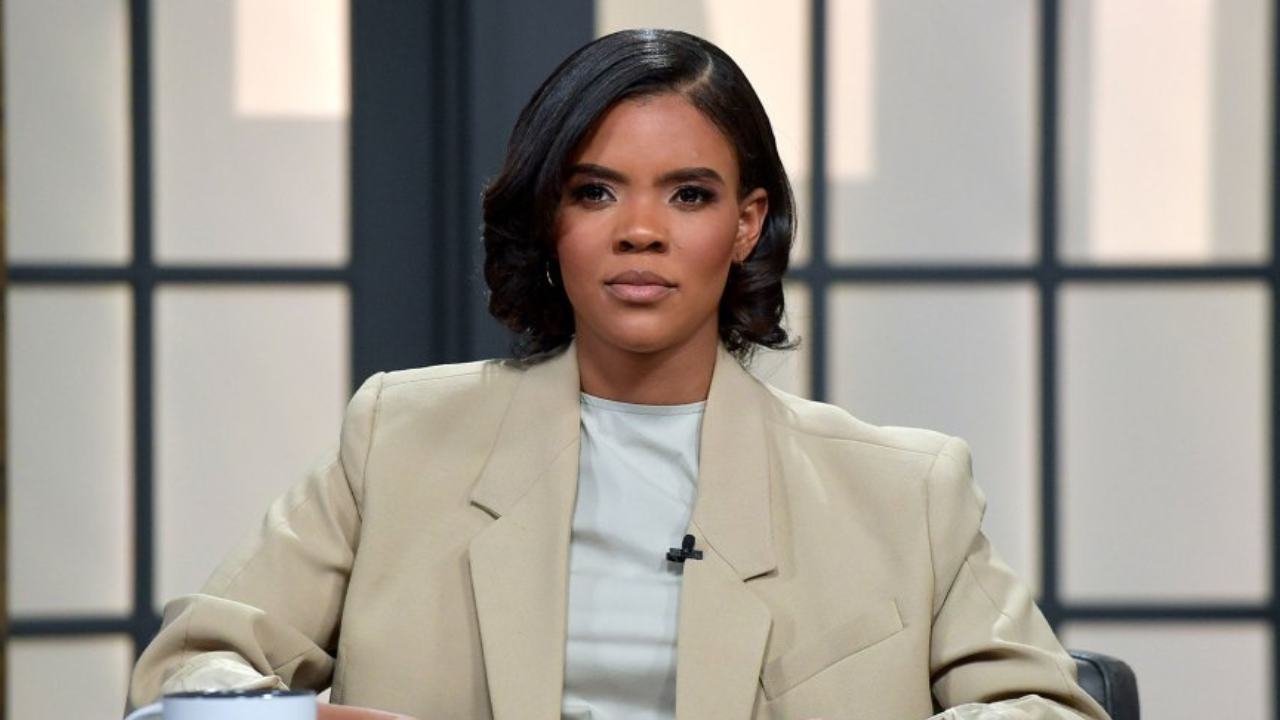
Candace Owens recently found herself at the center of another massive social media storm. An X post from the account Cinema Shogun ignited a wildfire of criticism, accusing Owens of completely walking back false allegations she previously leveled against Officer Bagley. According to the viral critique, Owens spent an episode confidently broadcasting unverified claims, only to reverse course later without missing a beat.
Love her or hate her, this specific clash exposes a much deeper rot in modern digital commentary. Millions tune in daily for alternative investigations, but the line between accountability journalism and high-stakes performance art gets blurrier by the hour.
The Anatomy of a Viral Reversal
How did we get here? The controversy centers on footage from an ongoing, highly scrutinized public narrative involving Officer Bagley. Owens had previously discussed visual evidence on her show, claiming she identified who Bagley was standing with on a specific rooftop during an event.
She presented the breakdown with absolute certainty, framing it as a breakthrough that federal investigators and local police missed.
"And despite all of the resources of the feds and UVU police and all the cameras, you couldn't do it... But here I am to save the day," Owens told her audience during the segment.
Days later, critics pounced. The viral X post accused her of dropping unverified accusations, switching targets, and quietly walking back specifics once audience attention shifted. Detractors argue this pattern exploits an engaged digital audience that rarely checks follow-up episodes to see if initial claims actually panned out.
Why Audiences Stay Hooked Anyway
You might wonder why pushback doesn't dent an independent commentator's reach. The truth is simple. Traditional media lost the trust of millions long ago. When legacy institutions fumble or withhold information, independent creators step into the vacuum.
When a commentator like Owens faces backlash, her core base doesn't see a reporter making errors. They see a digital outsider getting targeted by the establishment.
Critics claim the audience is simply being led in circles. Fans counter that mainstream outlets make bigger mistakes daily without facing public cross-examination. Both things can be true at the same time. The modern attention economy rewards speed, volume, and emotional resonance over slow, boring verification.
The Cost of Crowdsourced Investigations
We are watching the total gamification of true crime and political investigations. Everyday citizens now act as amateur forensic analysts, combing through bystander footage and timestamps on social media apps.
While crowdsourcing sometimes uncovers overlooked details, it frequently drags innocent bystanders and peripheral figures into toxic online crossfires. When high-profile personalities throw out names and speculative connections to hundreds of thousands of live viewers, the collateral damage is real. People face targeted harassment, and public discourse devolves into tribal warfare.
If you consume independent political media, stop treating commentary as gospel truth. Expect rapid-fire claims, watch for quiet revisions, and always demand primary source verification before letting a viral clip shape your worldview.