Imagine smelling rotting fish for twenty years.
Not just a whiff when you open the fridge. A wall of putrid stench hitting you every single day, turning your stomach, and trapping you inside your own home. That was the grim reality for people living near a massive industrial site in a Canadian town. A mountain of rotting fish sauce sat abandoned, festering, and quietly ruining lives for two decades. If you liked this piece, you should check out: this related article.
Nobody wanted to touch it. Local authorities argued about jurisdiction. Cleanup costs spiraled out of control. Meanwhile, hundreds of thousands of gallons of fermented liquid seafood sat in deteriorating containers, waiting to blow.
Let's break down how a disaster of this scale happens, why it took twenty years to fix, and what this bizarre environmental nightmare teaches us about industrial neglect. For another angle on this development, check out the recent update from NPR.
How Three Hundred Thousand Gallons of Fish Sauce Got Left Behind
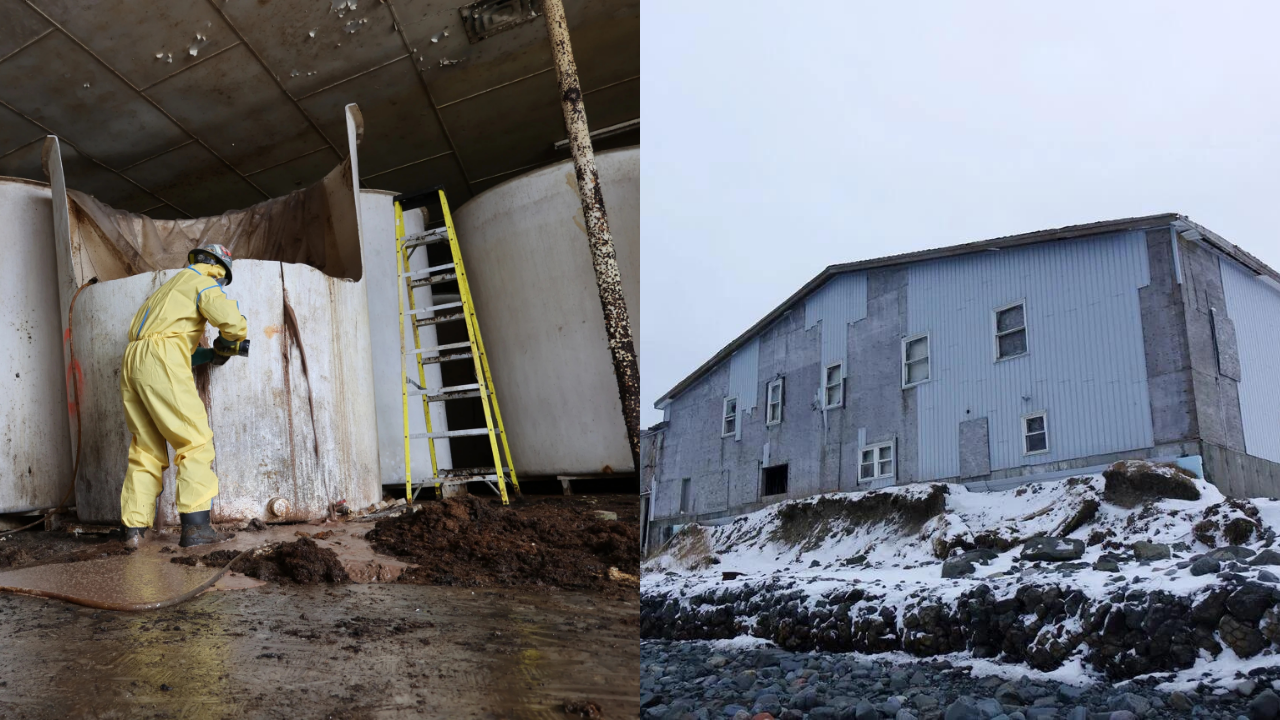
In the early 2000s, an industrial operation stored massive quantities of fish sauce in tanks. Things went south quickly. The business folded. The owners walked away.
That left behind over 330,000 gallons of organic material in a makeshift storage setup. Fish sauce is made by fermenting fish with salt over long periods. Left unattended in a rotting container, it turns into a chemical nightmare. Gases build up. Containers degrade. The stench becomes legendary.
Local residents started complaining immediately. They didn't just deal with a bad smell. Property values plummeted. People couldn't sell their homes. Opening windows in the summer became impossible.
Government bureaucracy moved at a snail's pace. Officials passed the file back and forth. Who owns the land? Who pays for the hazardous waste removal? Who handles the toxic runoff risk?
Years turned into a decade. Then another decade ticked by.
The Technical Nightmare of Cleaning Up Liquid Waste
You can't just pump rotting fish sauce down a municipal drain. Doing that would destroy local water treatment plants, kill river ecosystems, and violate environmental laws.
Specialized waste management teams had to step in. They faced severe hazards.
- High pressure building inside rusted tanks.
- Toxic hydrogen sulfide gas pockets.
- Severe risk of structural collapse on the storage site.
- Strict environmental containment rules to prevent groundwater contamination.
Transporting hundreds of thousands of gallons of putrid liquid requires industrial vacuum trucks, secure containment barges or tankers, and licensed disposal facilities capable of handling massive organic loads. It's expensive. It's dangerous. And it requires specialized engineering that small municipalities simply cannot afford out of pocket.
Why Abandoned Industrial Sites Slip Through the Cracks
This mess in Canada isn't an isolated incident. It highlights a massive loophole in industrial regulation.
Companies start operations with big promises. They post small bonds or minimal environmental deposits. When things go bankrupt, those deposits rarely cover even ten percent of actual remediation costs. Taxpayers end up footing the bill.
If you own property near industrial zones, you need to watch local zoning changes and corporate filings like a hawk. When a plant shuts down abruptly, demand immediate environmental audits from your local council. Waiting twenty years is a failure of governance at every level.
The tanks are finally empty. The stench is clearing. But the cleanup bill remains, and the residents who lost two decades of clean air aren't getting their time back.

.png?itok=1mb05mKJ)

