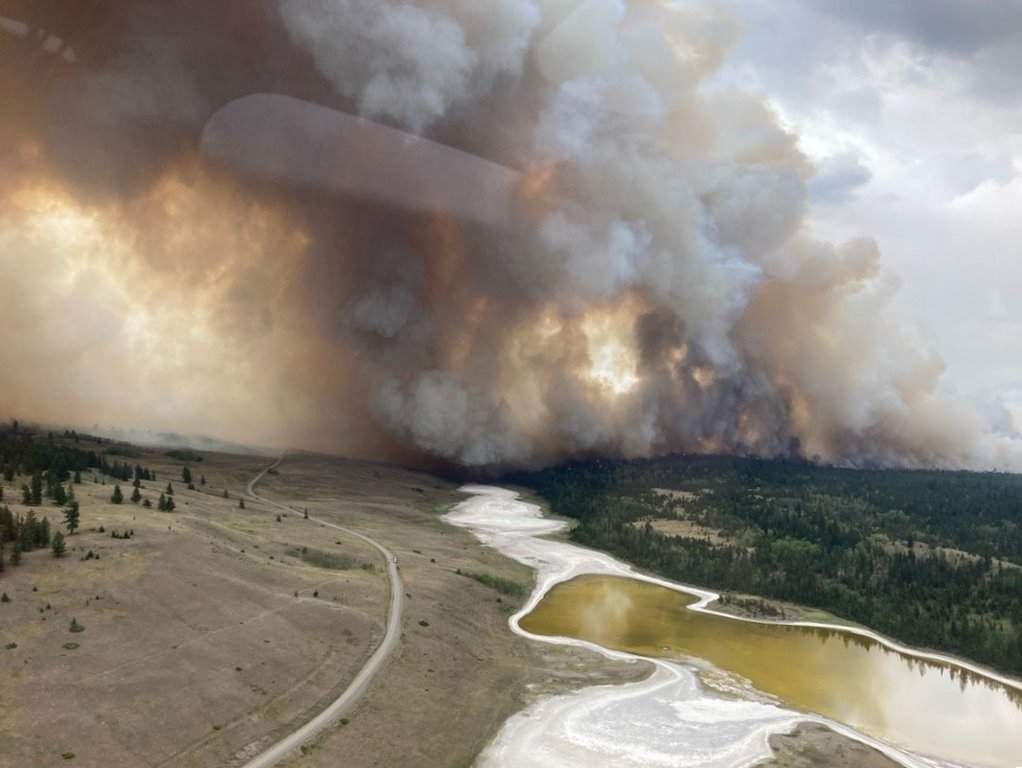
Ottawa just dropped its latest mid-August reality check on the Canadian wildfire season, and the numbers tell a story of relentless pressure. If you thought the country caught a break after the historic trauma of 2023 and 2025, think again. Federal officials confirmed that while total acreage burned is tracking lower than last year's staggering heights, hundreds of active blazes continue to test emergency response systems from coast to coast.
Let's look at where things actually stand. National data shows nearly 4,800 fires have scorched roughly 4.1 million hectares so far this season. Out of those, 582 remain active, with 31 classified stubbornly as out of control. It is an improvement compared to the catastrophic 7.7 million hectares burned by this exact point in 2025, but comfort is scarce for communities living under thick blankets of smoke and active evacuation orders.
Where the Worst Damage is Concentrated Right Now
Hotspots aren't distributed evenly. British Columbia and Northwestern Ontario have borne the brunt of the heavy lifting this summer. In B.C., persistent heat waves combined with dry lightning have turned parts of the Okanagan Valley and Fraser Canyon into powder kegs. When fires flared up near Summerland and Peachland, the intensity forced rapid evacuations, leaving thousands displaced and prompting federal assistance requests just to manage shelter logistics.
Meanwhile, Ontario faced its own severe test back in July. Northwestern sectors saw aggressive fire behaviour that triggered emergency military-backed evacuations for First Nations like Eabametoong.
Federal ministers Eleanor Olszewski and Mandy Gull-Masty emphasized during the Ottawa briefing that the government is working hand-in-hand with provincial authorities and Indigenous communities. But cooperation only goes so far when weather patterns refuse to cooperate.
The Climate Driver Behind the Smoke
Why does this keep happening year after year? The answer lies in persistent atmospheric blocking ridges, prolonged low humidity, and erratic jet stream behaviour. Spring rain offered false hope in certain regions, but the summer heat quickly baked moisture out of the forest floor.
Once fine fuels like dried needles and dead brush hit critical dryness levels, every dry lightning storm becomes an ignition source. Officials note that September is projected to keep fire danger well above seasonal averages in northern portions of B.C., Quebec, and Labrador. The season is no longer confined to July and August; the window of vulnerability has expanded dangerously on both ends.
What You Should Do to Stay Protected
If you live in a high-risk zone or plan to travel through affected provinces, staying passive is a fast track to trouble. Stop waiting for local alerts to surprise you.
- Download the WeatherCAN app to receive real-time emergency notifications directly from official sources.
- Check the Air Quality Health Index daily before planning outdoor tasks; anything rated seven or higher means you need to stay indoors and protect your lungs from fine particulate matter.
- Keep an emergency go-bag packed with vital documents, medications, and essentials if you live near forested interfaces.
Ottawa can share updates and deploy federal assets, but personal preparedness remains the ultimate line of defense when the next ridge of high pressure moves in.

.jpg?itok=SRbAAThA)