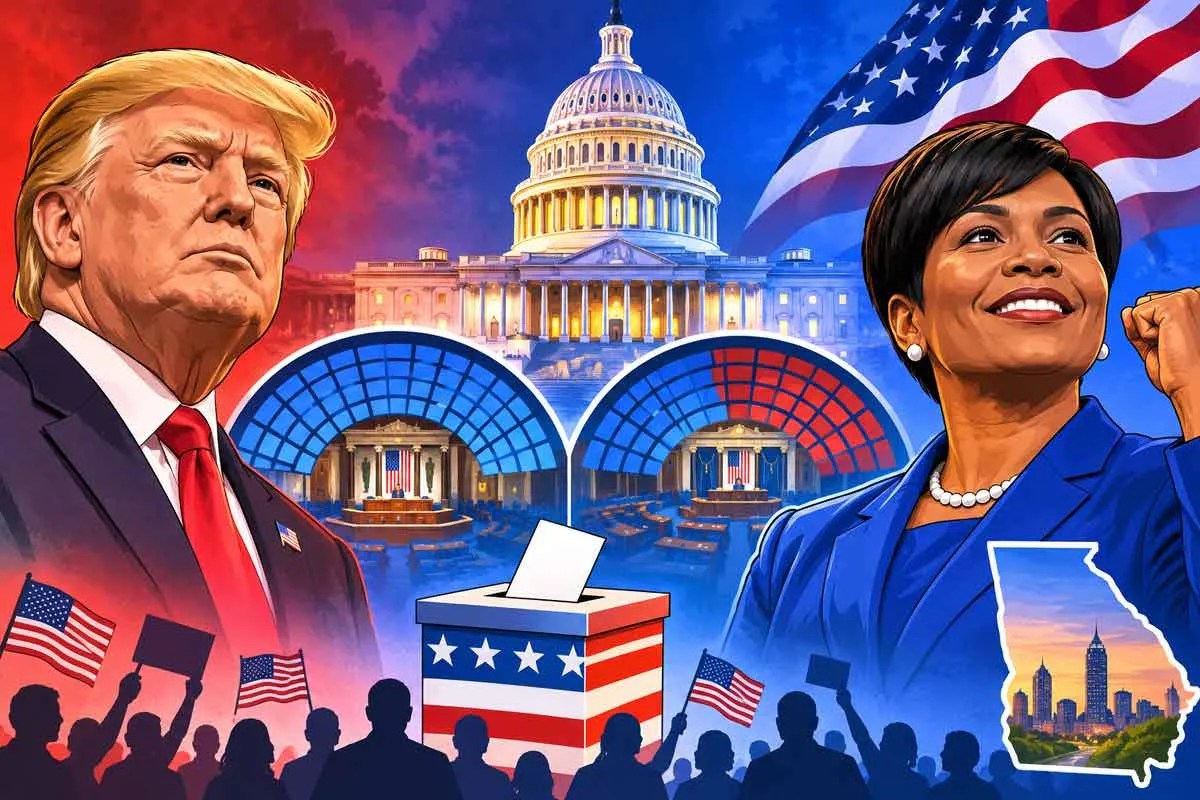
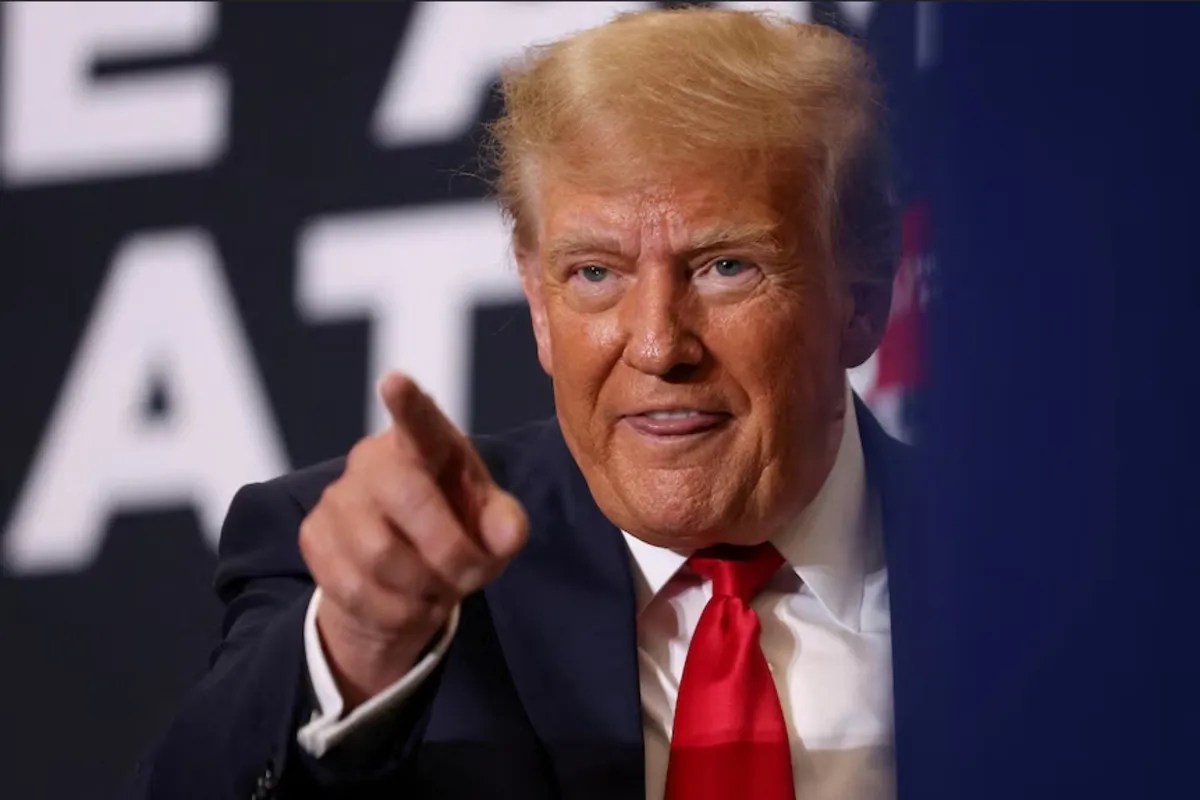
Democrats flipped both chambers of Congress in the November 2026 midterms. Cable news panels immediately dusted off the "lame duck" obituary for Donald Trump.
They are reading the wrong playbook.
Losing legislative majorities in Washington ends a president's easy path to sweeping statutory bills. It does not turn a second-term executive into a museum piece. The conventional punditry assumes modern presidents govern primarily by begging Congress to pass thousand-page omnibus laws. That model died decades ago.
The Lazy Consensus About "Lame Duck" Status
Here is the standard argument you will hear from morning shows and think-tank memos. A president loses the House and Senate. Subpoenas fly. Appropriations turn into trench warfare. Major domestic legislation stalls. Therefore, the final two years of the term—starting when the new Congress is sworn in on January 3, 2027—become a slow-motion farewell tour.
Politically, a "lame duck" describes an officeholder whose power is shrinking because they cannot win re-election or command a cooperative legislature. Historically, that label carried real teeth when parties were less polarized, when committee chairs cut cross-aisle deals, and when presidents relied on congressional coalitions to move major policy.
In modern American politics, that framing is lazy consensus. It confuses legislative gridlock with executive irrelevance.
Think about what the 2026 midterms actually produced. Democrats won control of the House and Senate, flipping seats in places like Maine, Ohio, North Carolina, South Carolina, and Mississippi. Yet even with a strong House majority and a 56-44 Senate edge (counting Democratic-aligned independents), Democrats sit well below the 60-vote threshold required to break a Senate filibuster on contested legislation and short of veto-proof margins in both chambers.
That means two things at once. Democrats can block Trump's legislative wishlist and run aggressive oversight. They cannot pass sweeping statutes over a presidential veto, nor can they easily override a united minority in the Senate without rules changes. When neither side has a clean legislative steamroller, the center of gravity shifts sharply toward the executive branch.
You Are Asking the Wrong Question
People keep asking: Can Trump pass his agenda through a Democratic Congress?
Wrong question. The right question is: How much damage, disruption, or reorientation can a president inflict through unilateral executive action, trade policy, enforcement priorities, and foreign affairs while Congress argues?
Look at the questions voters actually type into search bars after a midterm wave:
- "What does a lame duck president mean?" It means an outgoing or term-limited leader with diminished political capital. Brutal truth: a president who does not face another voter referendum can afford to ignore short-term polling noise in ways a first-term president sometimes fears. Lame-duck status removes electoral restraint just as much as it removes legislative votes.
- "Can a president still pass laws without Congress?" No. Congress writes statutes; the president signs or vetoes them. Anyone telling you an executive order replaces a statute is selling snake oil. What executive action can do is redirect rulemaking, reshape agency enforcement, set tariff or sanction regimes where statutory authority already exists, and force opponents into years of slow-moving court battles.
- "How much power does a president have in their last two years?" Plenty—especially when the opposition party cannot govern alone. A divided government often hands a combative president a sharper foil and a wider stage.
Where the Conventional Wisdom Breaks Down
In political science and institutional analysis, scholars like Richard Neustadt long emphasized that presidential power is the power to persuade—and Terry Moe later highlighted the structural advantages of unilateral action and institutional position. Over the past thirty years, across both Democratic and Republican administrations, presidents of every stripe have leaned harder on executive orders, agency guidance, emergency declarations, and foreign policy moves whenever Congress turned hostile.
I have watched corporate strategy teams and investors blow millions of dollars misreading Washington after midterms. Every cycle, executives see an opposition Congress take the gavel and assume regulatory risk automatically freezes or tilts benignly toward business-as-usual. That mistake is expensive. A hostile House can hold hearings all day long while federal agencies—guided by political appointees and enforcement priorities—still write rules, review mergers, set trade enforcement, and manage federal lands or permitting timelines.
Imagine a scenario where a Democratic House committee launches sweeping investigations into executive branch actions while the White House relies on existing statutory authorities in trade, immigration enforcement, or federal contracting. Headlines scream paralysis. Inside companies exposed to tariffs, cross-border supply chains, or federal procurement, the operational impact is immediate—long before any bill reaches the president's desk.
The Real Limits Nobody Wants to Admit
Being contrarian does not mean pretending a president has unlimited power. There are real constraints, and ignoring them is just as foolish as declaring Trump finished.
First, courts slow everything down. Unilateral executive moves face rapid injunctions and administrative law challenges. Agencies cannot simply invent powers Congress never granted.
Second, budgets and confirmations bite. A Democratic Senate controls confirmation votes for key posts, and funding fights create real leverage points over agency operations.
Third, oversight hurts. Congressional subpoenas, committee investigations, and public hearings consume time, distract allies, and shape the narrative heading into the next presidential cycle.
Those friction points are genuine. They narrow Trump's playbook. They do not erase him.
Actionable Playbook for Navigating Divided Government
If you run a business, manage capital, or track policy risk, stop treating a midterm loss as a political funeral. Do this instead:
- Audit statutory hooks, not just bill text. Identify existing laws that already grant executive discretion—tariffs, sanctions, procurement rules, regulatory reviews—rather than waiting for new legislation.
- Price in litigation lag. Do not treat a signed directive as permanent on day one, and do not assume a court challenge will stop enforcement tomorrow. Build timelines for appeals and stays.
- Watch agency personnel and enforcement guidance. Subpoenas grab headlines; staffing, rulemaking calendars, and enforcement priorities change day-to-day operations.
- Separate congressional theater from veto math. Track where Democrats actually have the votes to pass bills versus where gridlock simply gives both sides a villain.
A president who loses Congress loses a legislative shortcut, not the bully pulpit, the veto pen, or the machinery of the executive branch. Calling that a lame duck says more about the pundit's imagination than the Constitution.