Paychecks vanish the second they hit the bank account. Rent eats up half of monthly earnings, and buying groceries feels like a luxury tax. If you live in California, you already know the drill. The high cost of living isn't just a political talking point tossed around on cable news networks; it's a daily survival calculation for millions of residents.
Recent polling data ahead of the gubernatorial showdown reveals a stark reality. Economic anxiety dominates every conversation at kitchen tables from San Diego to Redding. Voters care less about party labels and more about why a gallon of gas or a basic apartment costs a small fortune. Yet, amidst this economic fatigue, the race to succeed Governor Gavin Newsom has taken a fascinating turn. For a more detailed analysis into this area, we recommend: this related article.
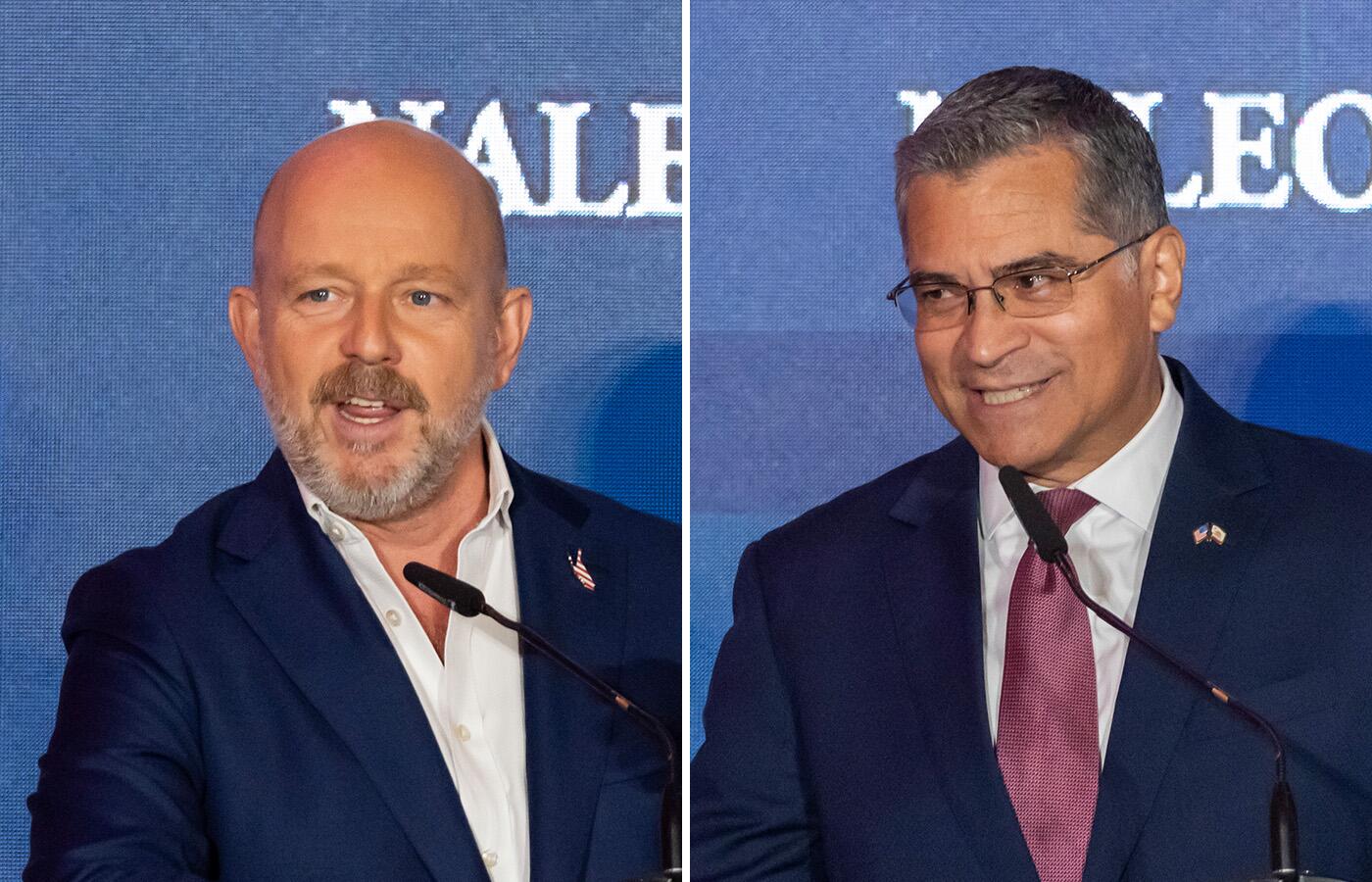
Democrat Xavier Becerra—holding a commanding lead over Republican challenger Steve Hilton—finds himself navigating a volatile electorate. Voters point fingers at both state leadership and national policies, creating a complex backdrop for a state trying to redefine its future.
The Anatomy of California Economic Anxiety
Let's look past the campaign slogans for a second. Why are residents feeling so squeezed? For broader details on this development, extensive analysis is available at Al Jazeera.
Housing availability sits at the absolute core of the crisis. Decades of underbuilding collided with surging demand, pushing homeownership out of reach for anyone without a massive tech salary or generational wealth. Rent prices mirror that insanity. When monthly shelter costs consume fifty percent or more of a household budget, every other expense becomes a crisis.
Energy prices add insult to injury. Californians pay some of the highest utility and fuel rates in the nation. Proposals to slash gas prices sound great on a debate stage, but residents have learned to view silver-bullet promises with extreme skepticism.
Polling figures show that economic concerns consistently eclipse almost everything else. Voters rank inflation, housing affordability, and everyday expenses as their primary grievances. When people feel like they are falling backward despite working full-time jobs, political dynamics shift rapidly.
How The Governor Race Shaped Up
The path to the general election was anything but ordinary. A chaotic primary season yielded a massive field of hopefuls before narrowing down. Democratic front-runner momentum shifted dramatically after a major shakeup when former U.S. Representative Eric Swalwell exited the race.
Enter Xavier Becerra. With a lengthy resume spanning roles as California Attorney General and U.S. Health and Human Services Secretary, Becerra consolidated establishment support. Polls showed his lead stretching comfortably over Hilton, a former media personality running on an anti-establishment platform.
Hilton leaned heavily into attacking the state's bureaucratic machinery, blaming decades of single-party rule for crushing the working class. He pointed to high taxes, strict regulations, and the exodus of businesses to states like Texas as proof that the system is broken.
Becerra countered with his legal and administrative track record, positioning himself as a seasoned defender of California values against federal headwinds. Even so, holding a commanding lead doesn't mean voters are thrilled with the status quo. The mandate from the polling booth is clear: fix the affordability crisis or face severe electoral consequences down the road.
Blame Shifting Between Sacramento and Washington
Voters aren't just looking locally when assigning blame for their shrinking purchasing power. National politics play a massive role in how Californians view their economic reality.
A substantial portion of the electorate places direct responsibility for high prices on President Donald Trump's administration, particularly pointing to federal policies, trade shifts, and energy market fluctuations. Others point inward, holding local and state officials accountable for runaway housing costs, high state income taxes, and stifling environmental regulations.
This division creates a fascinating psychological split in the electorate. People are angry about their grocery bills, but they disagree on whether the antidote lies in dismantling state regulations or pushing back against national policies.
What Actually Needs to Change
Politicians love to talk about relief packages and green energy transitions, but average residents need structural fixes that move the needle today.
First, zoning reform has to move past political talking points. Local opposition routinely blocks multi-family developments near transit hubs and job centers. Until cities streamline housing construction at scale, prices will stay stubbornly high.
Second, addressing utility monopolies and energy pricing is non-negotiable. Families shouldn't have to choose between keeping the air conditioning running during a heatwave and paying for groceries.
The next governor will inherit a state full of contradiction: immense economic power paired with staggering inequality. Fixing it requires stepping away from partisan talking points and tackling the boring, nuts-and-bolts mechanics of zoning, supply chains, and tax policy.
The election results show a public that wants stability, but patience is wearing thin. Whoever sits in the governor's mansion has a very short window to prove that the California dream is still attainable for people who actually work for a living.
Trump and the high cost of living loom over California governor's race between Becerra and Hilton
This video provides an up-close look at the core arguments surrounding the California gubernatorial race, highlighting how economic pressures and national politics shape voter sentiment.