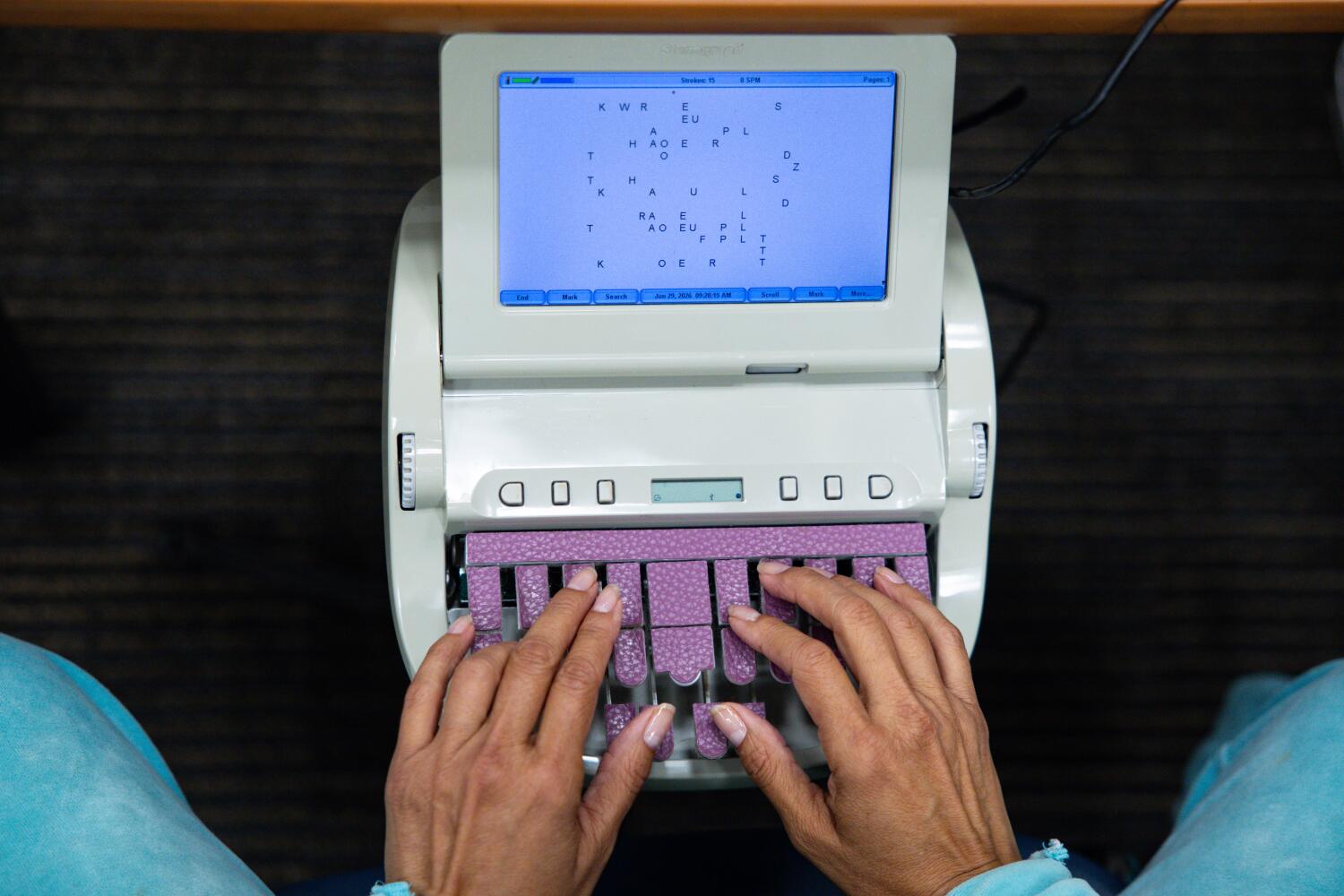
For over a century, California administrative hearings operated in a quiet vacuum. Millions of proceedings occurred without an official transcript or audio record, leaving litigants to navigate high-stakes disputes with virtually no paper trail. A recent monumental shift by the California high court changes everything. Recording is finally permitted, shattering a decades-old wall of silence that disproportionately impacted everyday citizens facing government agencies, professional licensing boards, and local municipal disputes.
Yet, this long-overdue reform brings a cascade of logistical hurdles, administrative resistance, and deep-seated institutional friction.
The Hidden Cost of a Million Silent Hearings
Official silence carries an immense price. For generations, administrative law judges heard testimony, reviewed evidence, and rendered binding decisions that affected driver's licenses, professional credentials, and public benefits without producing a reliable verbatim record.
When a litigant wanted to challenge an administrative decision in superior court via a writ of administrative mandamus, they faced an insurmountable barrier. Without a transcript, courts routinely deferred to agency findings under the heavily weighted substantial evidence test. The agency essentially marked its own homework.
We interviewed veteran administrative litigators who spent decades watching clients lose livelihoods simply because a crucial witness statement vanished into thin air. A stenographer costs hundreds, sometimes thousands, of dollars per day. Most ordinary people appearing before state or local boards cannot afford private court reporters. Agencies refused to foot the bill. The result was a procedural wasteland where due process existed on paper but collapsed in practice.
The California Supreme Court decision upends this dynamic, but authorized permission does not automatically translate into funded execution.
Why Agencies Are Quietly Panicking
Allowing electronic recording sounds simple on paper. Plug in a microphone, hit record, store the digital file.
Reality is rarely that clean. State agencies and local administrative bodies are scrambling to figure out how to implement audio-visual recording without crashing their antiquated IT infrastructures. Many of these boards still rely on paper files, dot-matrix printers, and filing cabinets that predate the commercial internet.
The Storage and Security Nightmare
Recording millions of hours of testimony introduces severe data governance challenges.
- State agencies must comply with strict privacy laws, redacting juvenile records, medical data, and confidential informant details from audio files before public release.
- Chain of custody rules require tamper-proof digital storage. If an audio file gets corrupted or modified, the entire evidentiary value evaporates.
- Transcription backlogs will not vanish overnight. Even with automated speech-to-text software, human transcriptionists are necessary to verify technical legal terminology, specialized jargon, and cross-talk.
Agency budget directors are staring at multi-million-dollar deficits. The state legislature authorized the change, but additional appropriations have not materialized at the speed required to buy enterprise-grade recording hardware and cloud storage solutions. Bureaucratic inertia loves an unfunded mandate. Agencies can technically comply by permitting recording, while simultaneously dragging their feet on providing the actual infrastructure.
The Technological Reality Check
Speech recognition software has advanced rapidly. Artificial intelligence tools can transcribe audio files in minutes, saving human hours.
However, courtroom audio is notoriously difficult. Multiple speakers talk over one another. Witnesses mumble, cough, or sit too far from microphones. Background noise from air conditioning units, street traffic, and paper shuffling wreaks havoc on algorithmic audio processing.
A hypothetical example illustrates the danger. Imagine a medical board hearing where an expert witness discusses complex pharmacology. An automated transcription engine, struggling with background noise and specialized drug names, might transcribe "contraindicated" as "contract indicated." If that error enters the official administrative record uncorrected, it distorts the legal reality of the proceeding and compromises any subsequent appeal.
Human oversight remains mandatory. Quality control demands skilled transcriptionists who understand legal terminology and procedural syntax. Cutting corners on the human element will only replace old injustices with new, technologically masked errors.
Shifting Power Dynamics in Administrative Courtrooms
When every word is captured, behavior shifts.
Administrative law judges who previously operated with absolute impunity must now reckon with the reality that their commentary, rulings, and demeanor are permanently preserved for appellate review. Arbitrary rulings face immediate exposure.
Conversely, well-funded corporate litigants gain a tactical advantage if they can afford private transcription services to parse every syllable of testimony in real time, while pro se litigants struggle to access basic audio files. Equal access to justice requires more than just permission to record. It requires standardized, affordable, and transparent distribution of the resulting media.
California has crossed a historic threshold. The era of the unrecorded administrative hearing is drawing to a close. But the messy work of building a transparent, accountable, and technologically competent recording apparatus has only just begun. The courts opened the door, yet pushing the entire administrative state across that threshold will require relentless public scrutiny, legislative funding, and structural reform that refuses to let bureaucracy slide back into silence.