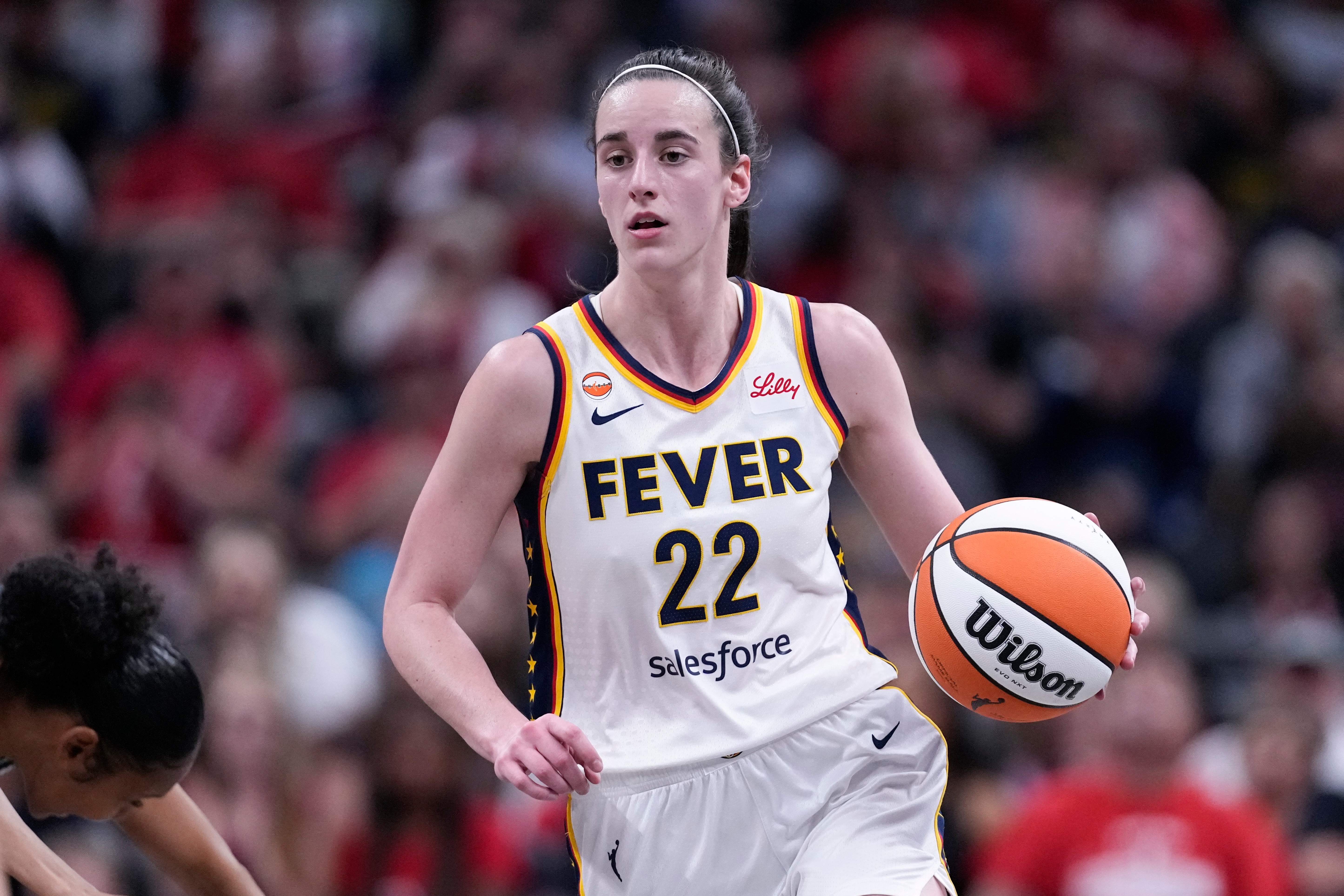
When Nike CEO Elliott Hill stepped onto an earnings call to drop the numbers behind the Nike Caitlin 1, he wasn't just talking about a basketball shoe. He was signaling a massive structural shift in how the sportswear giant handles athletic equity. Let's be honest. For decades, women's signature lines were treated as limited-run test cases or charity projects pushed out in small batches.
The launch of Caitlin Clark’s first signature shoe shattered that playbook entirely. It marked the largest signature shoe launch in women's history, outpacing expectations and forcing traditional retail analysts to rewrite their spreadsheets. If you've been watching the athletic footwear space over the last few years, you know women's basketball has exploded in popularity. But turning that court-side attention into actual hardware sales is a different beast.
Nike didn't hold back inventory to manufacture artificial scarcity. Instead, they dropped the shoe into 5,000 retail stores on day one. That footprint is roughly double the average rollout for a typical Nike basketball signature shoe—yes, male or female alike. Think about that for a second. We are talking about a distribution scale usually reserved for LeBron James or Michael Jordan icons.
The Numbers Behind the Hype
The market responded immediately. Both initial colorways sold out across all sizes on release day, stretching from entry-level youth sizes all the way up to men's size 18 and women's size 19.5. Hill pointed out during the call that Nike's overall women's basketball business has grown over 600% over the past few years, fueled by a collective surge from stars like Clark, A'ja Wilson, and Sabrina Ionescu.
Performance footwear engineering drove the demand just as much as the star power. Clark didn't just slap her name on an existing template. She worked directly with Nike designers to target specific mechanical goals: a quicker first step, tighter separation on step-backs, and a faster shot release. The result features a specialized Nike Opticast upper built with tiny polyurethane nodes designed to reduce drag during lateral cuts, paired with a forefoot Air Zoom Turbo unit and full-length Cushlon midsole.
Shifting Retail Strategies
Most brands play it safe with rookie or early-career product lines. They test the waters online, restrict supply to boutique sneaker shops, and wait for consumer validation. Nike took a massive gamble by scaling physical retail presence immediately. That bet paid off because the demand wasn't localized to traditional basketball strongholds. It spanned youth leagues, casual wearers, and die-hard WNBA fans who wanted physical proof of the sport's cultural footprint.
When you look at the broader retail landscape, consumers are tired of generic athlete endorsements. They want products tied to distinct playing styles and authentic personalities. The design language on the shoe reflects that exact mindset, featuring hidden nods to her jersey number and initials alongside aggressive messaging stamped on the outsole.
The takeaway for retail strategists is simple. Ignoring the economic power of women's sports isn't just bad culture—it's terrible business. When brands back elite talent with the same marketing muscle and retail distribution given to legacy male icons, the ceiling is much higher than anyone predicted. Expect other sportswear labels to scramble and copy this playbook over the next fiscal year.