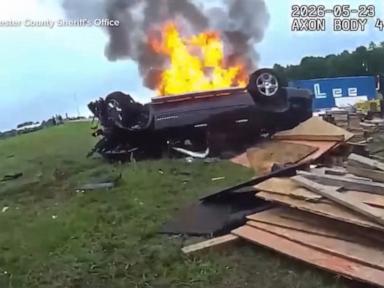
Every second matters when a vehicle catches fire. We often see dramatic headlines about a woman rescued from a burning car, but we rarely discuss what it actually takes to pull off a rescue like that without becoming a casualty yourself.
Car fires are terrifyingly fast. They do not look like the movies. You do not have minutes to plan. Thick black smoke fills the cabin in seconds, blinding the occupants and choking them with toxic fumes. If you ever find yourself witnessing a crash where a vehicle catches fire, knowing exactly how to react will save a life.
The Reality of Car Fire Emergencies
Most people assume cars explode instantly when they catch fire. That is mostly a Hollywood myth. Fuel tanks are resilient, but the real danger comes from the interior materials. Plastics, foam insulation, and wiring insulation produce lethal gases when ignited. A person trapped inside a burning car is more likely to succumb to smoke inhalation long before the flames reach them.
When a driver is knocked unconscious or pinned by the dashboard, they rely entirely on the split-second decisions of passersby. Rescuers face immense heat, shattering glass, and unpredictable air bags that might still deploy.
Understanding the layout of a vehicle helps. The engine bay is where most electrical or fuel fires start. If the fire is under the hood, never open it. Introducing fresh oxygen will create a massive backdraft of flames right into your face. Instead, focus entirely on the cabin access points.
Step by Step Vehicle Extrication for Bystanders
Your safety comes first. You cannot help anyone if you get hurt.
First, look for an entry point away from the heaviest flames. If the doors are locked or jammed due to frame damage from the crash, you must break a window. Do not try to smash the windshield. It is made of laminated glass designed to hold together under heavy impact. You will waste precious time bouncing off it.
Aim for a side window. Use a dedicated window punch tool if you have one in your glovebox. If you don't, find a heavy rock, a tire iron, or a piece of debris. Strike the very corner of the window. The center of the glass has the most flex and absorption, while the corners are brittle and shatter instantly under concentrated force.
Clear the remaining glass quickly using a jacket or a heavy cloth to protect your hands. Reach inside to unlock the door or cut the seatbelt. If the seatbelt mechanism is melted or jammed, a pocket knife or a seatbelt cutter is essential.
Pull the victim out using their clothing or under their armpits. Drag them in line with their body axis to minimize spinal damage, but do not obsess over spinal alignment if the car is actively burning. Survival trumps potential injury every time. Drag them at least 100 feet away from the vehicle to protect both of you from sudden flare-ups or rolling hazards.
Essential Tools Every Driver Needs in the Cabin
You cannot rely on finding a lucky rock on the side of the highway. Survival requires preparation. Every vehicle should have a few non-negotiable tools stowed within arm's reach of the driver, not buried in the trunk.
Keep a high-quality window punch and seatbelt cutter tool attached to your keychain or mounted on the side of your center console. Brands like Resqme make small, spring-loaded devices that require minimal physical strength to shatter tempered side glass.
A small, rated fire extinguisher is another smart addition. Mount it securely under the front seat. Do not throw it in the trunk under luggage. If a small fire starts in the cabin or around the wheel well, a quick blast can suppress the flames long enough to get someone out.
Regularly check these tools. Make sure the extinguisher pressure gauge stays in the green zone. Teach your teenage drivers where these tools are and exactly how to use them. A tool is useless if you are scrambling to find it in a dark, smoke-filled vehicle during a crisis.