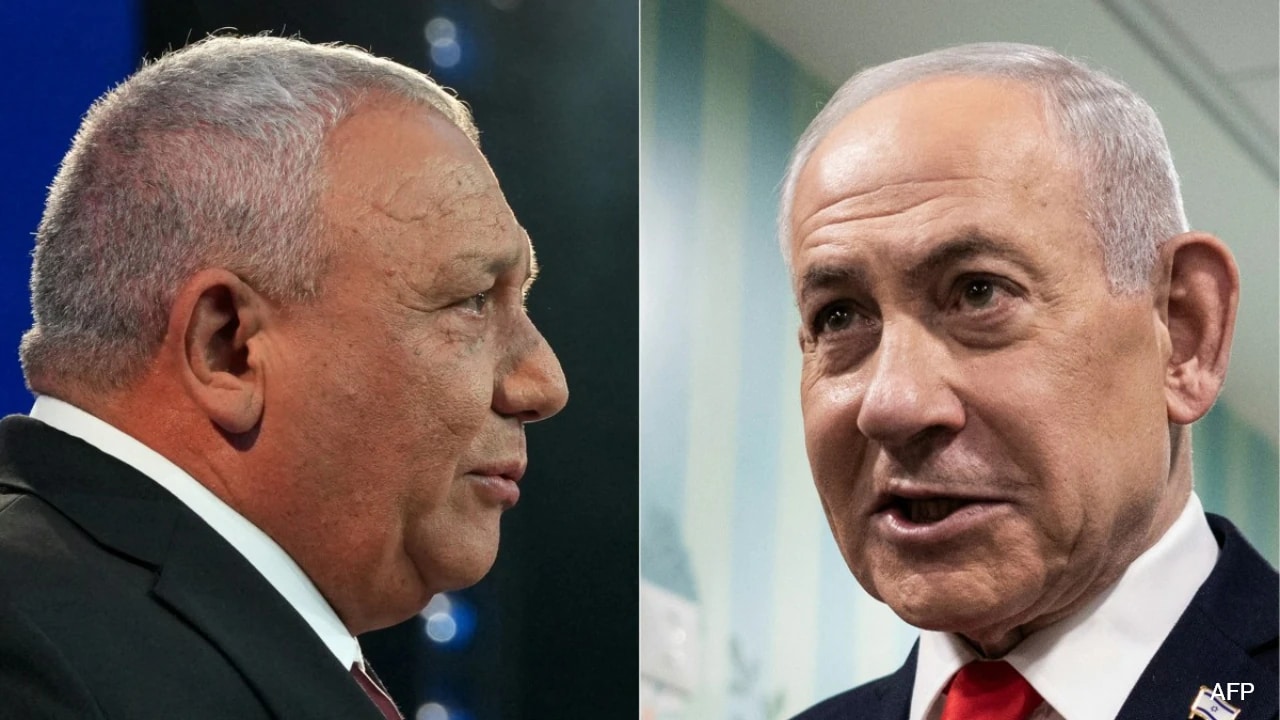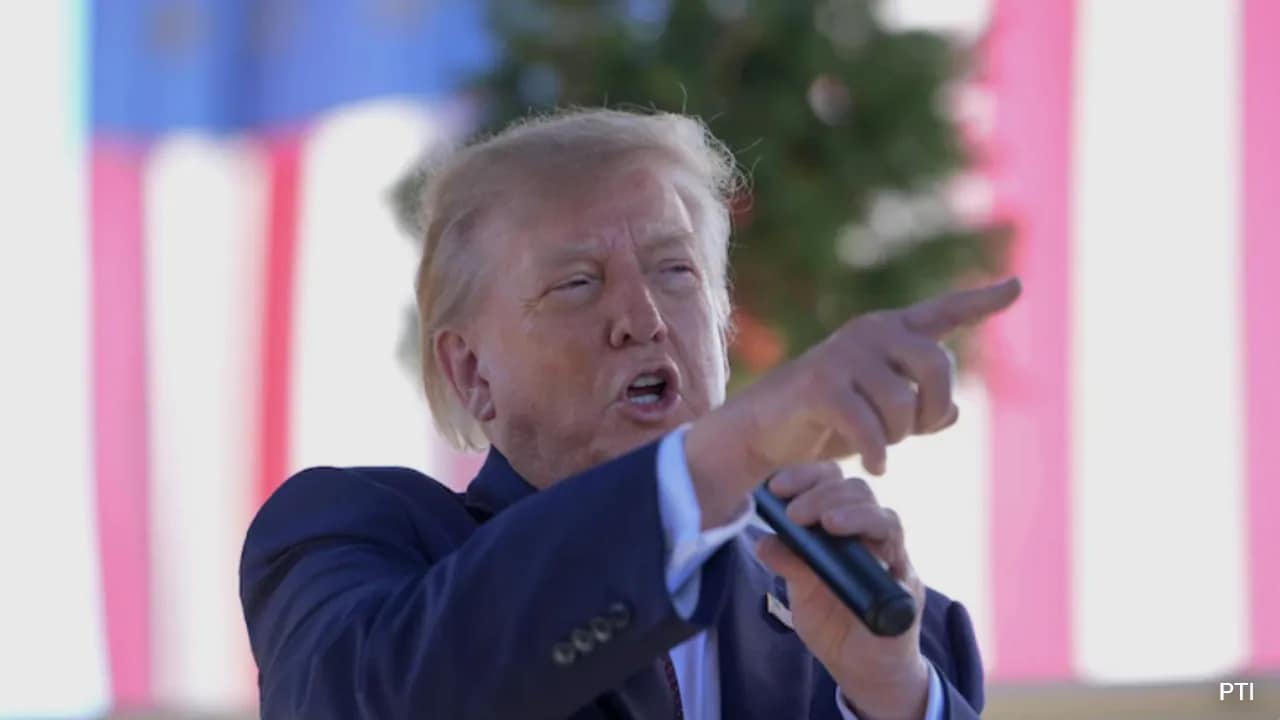
If you run a company with federal contracts, your legal risk just spiked overnight. On November 20, 2026, President Donald Trump signed Executive Order 14438, titled Protecting the Executive's Privileges and Enhancing Efficiencies in Federal Contracting. The order tells tens of thousands of federal contractors and subcontractors to notify the White House and their contracting agencies before responding to congressional inquiries, and to withhold communications deemed protected by executive privilege.
Most news coverage frames this as a routine Washington turf war. It isn't. If you treat this directive like standard paperwork—or worse, assume obeying the White House shields you from criminal liability on Capitol Hill—you're walking straight into a legal buzzsaw.
Why Executive Order 14438 Puts Contractors in an Impossible Bind
Here's the blunt reality of what happened in late November 2026. The White House argues that uncoordinated disclosures from private vendors to congressional committees chill candid communication inside agencies and force the executive branch into repetitive legal battles. Under the order's policy framework, contractors must report congressional requests immediately and follow instructions from the White House or contracting agency regarding documents the executive branch claims are privileged.
Sounds straightforward on paper. In practice, it drops private businesses directly into the crossfire between two rival branches of government.
I've watched companies navigate congressional oversight for years, and the biggest mistake executives make is assuming a presidential directive overrides federal statute. It doesn't. An executive order instructs federal agencies on how to manage procurement and administration. It doesn't rewrite criminal law, and it doesn't magically erase a valid congressional subpoena.
Think about what happens when a House or Senate committee demands records from your firm. If you ignore the White House and hand over emails, your contracting agency could threaten contract termination or debarment. If you obey the White House and refuse to comply with a subpoena, you risk contempt of Congress.
The Legal Traps Hidden Inside the Directive
When legal teams at major firms like Mayer Brown and Wiley Rein analyzed Executive Order 14438 immediately after its release, they flagged several glaring vulnerabilities that every contractor needs to understand.
An Executive Order Doesn't Automatically Amend Your Contract
Executive orders aren't self-executing contract modifications. The president directs federal agencies to act. Until an agency actually incorporates new requirements through Federal Acquisition Regulation (FAR) clauses, class deviations, or bilateral contract changes, your strict contractual obligation hasn't formally shifted.
Subcontractors face an even murkier situation. Subcontractors don't have direct contractual privity with the federal government. Section 2(c) of the order tells agencies to make prime contractors responsible for forcing subcontractors to comply. That means prime contractors will soon start pushing flow-down clauses and frantic compliance demands onto smaller vendors who barely know what executive privilege means.
Contempt of Congress Outlasts Any Administration
This is the part that keeps defense and IT executives awake at night. Willful failure to comply with a valid congressional subpoena is a federal misdemeanor under 2 U.S.C. § 192. Corruptly obstructing a congressional inquiry violates 18 U.S.C. § 1505.
You might think the current Justice Department won't prosecute a contractor who followed White House instructions. Maybe so. Here's the catch: the statute of limitations for criminal contempt of Congress is five years. Five years stretches well past the current presidential term into 2031. Former White House advisers Steve Bannon and Peter Navarro both served prison sentences for contempt of Congress after relying on executive privilege arguments. A future administration's Justice Department won't hesitate to revisit stalled oversight battles.
Criminal prosecution isn't even Congress's only weapon. House lawmakers, including Representative Robert Garcia, have already pointed out that committees can go straight to federal court to enforce subpoenas civilly rather than waiting around for Justice Department prosecutors.
Stretched Definitions of Executive Privilege
Historically, executive privilege protects confidential advice and communications close to presidential decision-making. Stretching that constitutional doctrine to cover routine project emails, billing records, or operational updates between a private vendor and a mid-level agency official is legally untested.
Even more importantly, a private company cannot invoke executive privilege on its own. Only the executive branch holds that authority. If your general counsel tells a congressional committee that your company is withholding documents based on executive privilege without an explicit, formal assertion from the White House, Capitol Hill investigators will laugh you out of the room—and immediately issue a subpoena.
How Capitol Hill Is Reacting
Lawmakers didn't wait long to push back. Representative Jamie Raskin, ranking member of the House Judiciary Committee, dismissed the directive publicly on CNN, stating that the order carries "all the force of an interoffice memo" and insisting that recipients remain legally bound to answer congressional demands.
With an incoming Democratic House majority gearing up for aggressive oversight in 2027, contractors shouldn't expect committee chairs to accept Executive Order 14438 as a valid excuse for stonewalling. Committees investigate waste, fraud, cybersecurity breaches, and procurement failures. When a billion-dollar federal IT system crashes or a defense program runs over budget, lawmakers subpoena the contractors who built it.
The order also leaves huge operational blanks. It sets no timeline for how fast the White House or an agency must review documents after you notify them. It doesn't clarify whether inquiries from the Government Accountability Office (GAO)—which sits in the legislative branch and holds statutory authority to audit contractor records—trigger the same reporting rules. And it doesn't define what counts as a "request". Does an informal phone call from a committee staffer require White House clearance? Right now, nobody has a clear answer.
Common Mistakes Contractors Make During Congressional Inquiries
When a letter from a House or Senate committee lands in an executive's inbox, panic usually leads to unforced errors. Here's what blows up companies every single time:
- Destroying or hiding marginal records. The moment you receive any inquiry or preservation notice, lock down all relevant communications—including text messages and chats on personal devices. Deleting a single thread turns a routine oversight question into an obstruction investigation.
- Letting account managers talk to Hill staffers. Your government relations or business development team wants to be helpful and keep everyone happy. Don't let them freelance. Informal conversations create contradictory statements and waive legal protections.
- Assuming commercial contracts are exempt. The order leaves key terms like "contractor" and "request" broad enough that companies holding both commercial-item contracts and traditional government contracts face gray areas. Don't guess where the line sits.
- Waiting for agency guidance before building a protocol. Agencies will take weeks or months to roll out formal contract clauses and Office of Management and Budget (OMB) procedures. Committees won't wait.
What You Need to Do Right Now
You can't stop Congress and the White House from fighting over constitutional turf. You can, however, keep your business from becoming collateral damage.
- Establish a strict intake protocol today. Write down an internal rule requiring every employee—from executives to field engineers—to route any contact from Congress, the GAO, or an inspector general straight to your legal department. No one replies directly.
- Audit your active prime contracts and subcontracts. Map out which agencies hold your contracts and identify every subcontractor touching federal deliverables. When agencies or prime contractors demand flow-down compliance, you'll know exactly who needs notice.
- Issue immediate document holds when inquiries arrive. Preserve emails, Slack channels, project logs, and device messages the second an inquiry surfaces. Document your preservation steps in writing so you can prove good faith to both branches.
- Bring in outside oversight counsel before sending any notice. Notifying the White House and responding to Congress both carry real hazards. Experienced congressional investigations counsel can coordinate with the contracting agency, demand formal written privilege assertions from the executive branch, and negotiate timelines with committee staff so your company isn't left holding the bag.
Watch the upcoming OMB implementation guidance closely over the next few weeks, because those rules will dictate how fast agencies have to review your files. Until that guidance drops, treat every congressional inquiry like a high-stakes legal collision—because that's exactly what it is.