We all know the famous royal playbook. For decades, Buckingham Palace relied on a single, bulletproof strategy when dealing with scandalous books or tabloid rumors: never complain, never explain. It is the ultimate shield. You stay silent, let the noise wash over you, and wait for the news cycle to die down.
So when the Palace suddenly shatters that silence, you know something big just went down.
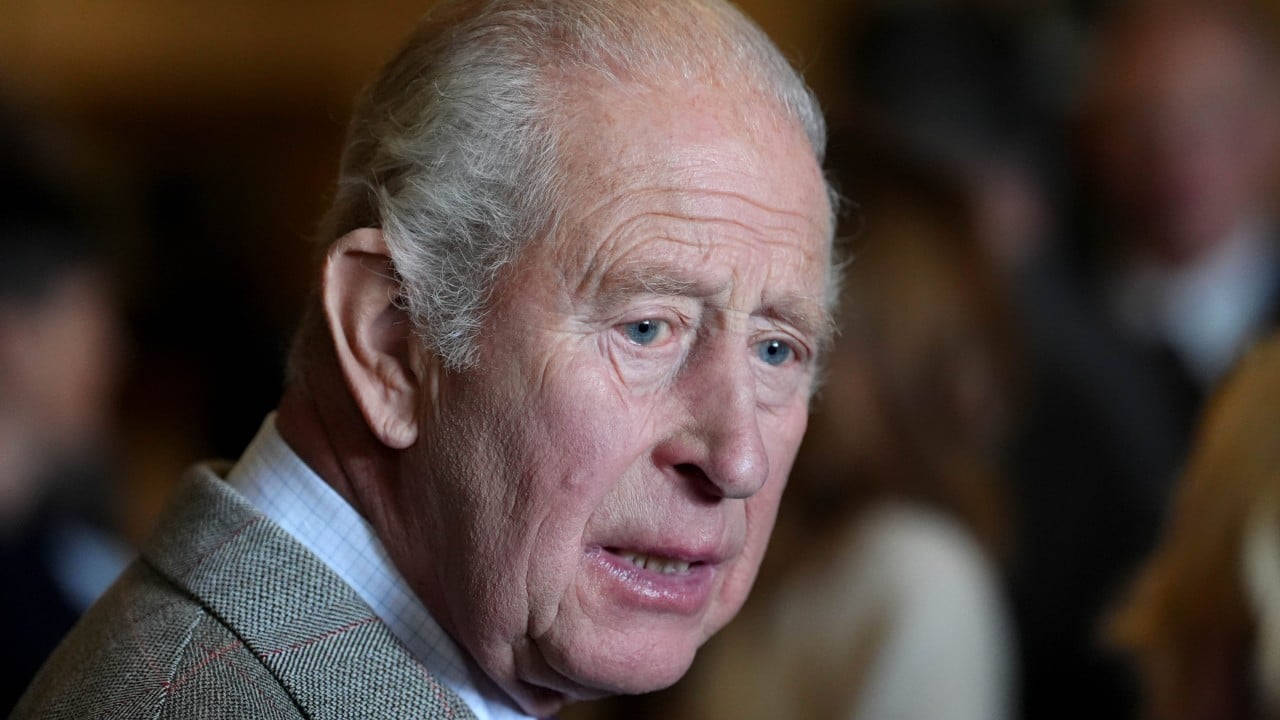
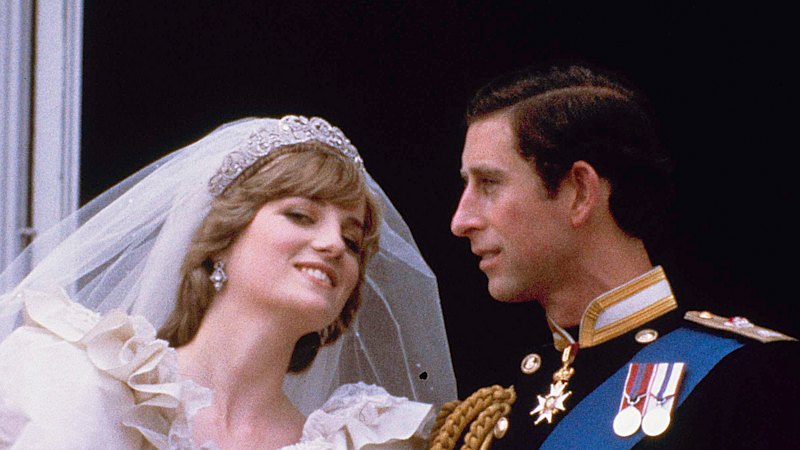
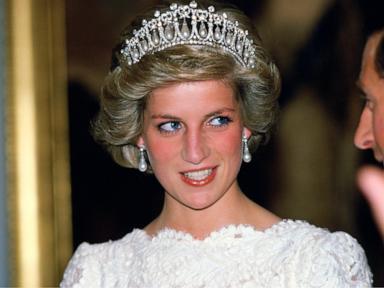
Recently, the monarchy took the wildly unusual step of pushing back against explosive claims made in a memoir by Charles Spencer, the brother of the late Princess Diana. The book dragged up decades-old wounds, specifically targeting King Charles and alleging a callous remark made in the immediate aftermath of Diana’s tragic 1997 death.
Instead of letting it slide into the abyss of royal gossip, the institution fired back. But why break the golden rule now? Let's look at what actually happened and why this particular confrontation forced the crown's hand.
The Allegations That Forced the Hand of the Monarchy
The controversy centers around raw, heated memories from late August and September 1997. According to Charles Spencer's account, a high-stakes disagreement exploded behind closed doors regarding the funeral procession. Specifically, the debate raged over whether young Princes William and Harry—then just 15 and 12 years old—should walk publicly behind their mother's coffin.
Spencer claimed that tensions boiled over during a phone call with Charles, who was then the Prince of Wales. The memoir alleges that Charles expressed frustration over the massive global grief for Diana, reportedly dropping a harsh remark to the effect that people would soon forget her.
For years, memoirs about the House of Windsor have come and gone. Most receive a chilly, dignified nothingness from officials. They don't validate the claims by addressing them.
This time was entirely different. The Palace issued a sharp rebuttal, pointing out a fundamental truth about human trauma: intense grief distorts memory and judgment over time. It was a pointed, elegant way of calling the narrative into question without getting dragged into a messy public shouting match.
Why Breaking the Rule Matters Now
You might wonder why a modern king would care about a heated phone argument from nearly thirty years ago. The answer comes down to brand protection and narrative control.
When Charles ascended the throne, his team worked tirelessly to stabilize public perception. Re-opening the emotional scars of 1997 threatens to drag the monarchy back into its darkest, most turbulent era. Diana's memory still holds massive emotional weight with the public. If left unchecked, explosive claims about coldness or apathy threaten to stick—especially as a new generation watches how the royal family handles its history.
By addressing the claims head-on, the Palace signaled a shift in strategy. Total silence sometimes implies guilt or gives oxygen to fabricated stories. A swift, measured pushback draws a hard line in the sand.
What Most People Get Wrong About Royal Reactions
Outsiders often assume that royal responses are knee-jerk emotional reactions. They aren't. Every statement is weighed against long-term institutional survival.
When Prince William later described walking behind his mother's coffin as a difficult, collective family decision, he framed it through the lens of shared pain rather than political maneuvering. Yet, memoirs written from an outsider or sibling perspective often simplify complex, chaotic days into clean narratives of heroes and villains.
The reality of late-90s Britain was a pressure cooker. Nobody was operating with a clear head. Grief counselors and historians alike note that high-stress trauma impairs how people encode memories. Remembering exact dialogue from a screaming match twenty-nine years later is nearly impossible, let's be honest.
The Bigger Picture for the Modern Monarchy
We are watching a transition into a different era of public relations for the crown. The old guard's "never complain" mantra is cracking because the digital news cycle moves too fast. If you stay silent for a week today, the internet writes your history for you.
King Charles isn't trying to fight every minor battle, but when a narrative targets the core of his character during the defining tragedy of his life, inaction isn't an option anymore. Expect fewer silent treatments and more calculated responses moving forward.
If you want to keep up with how the modern royal household handles historical revisions, watch how fast they shut down narratives that threaten the stability of William and Kate's future reign. The playbook has changed, and survival now requires stepping into the ring.
This video provides a comprehensive news broadcast breaking down the unprecedented statement issued by Buckingham Palace regarding the allegations over King Charles and the events following Princess Diana's death.