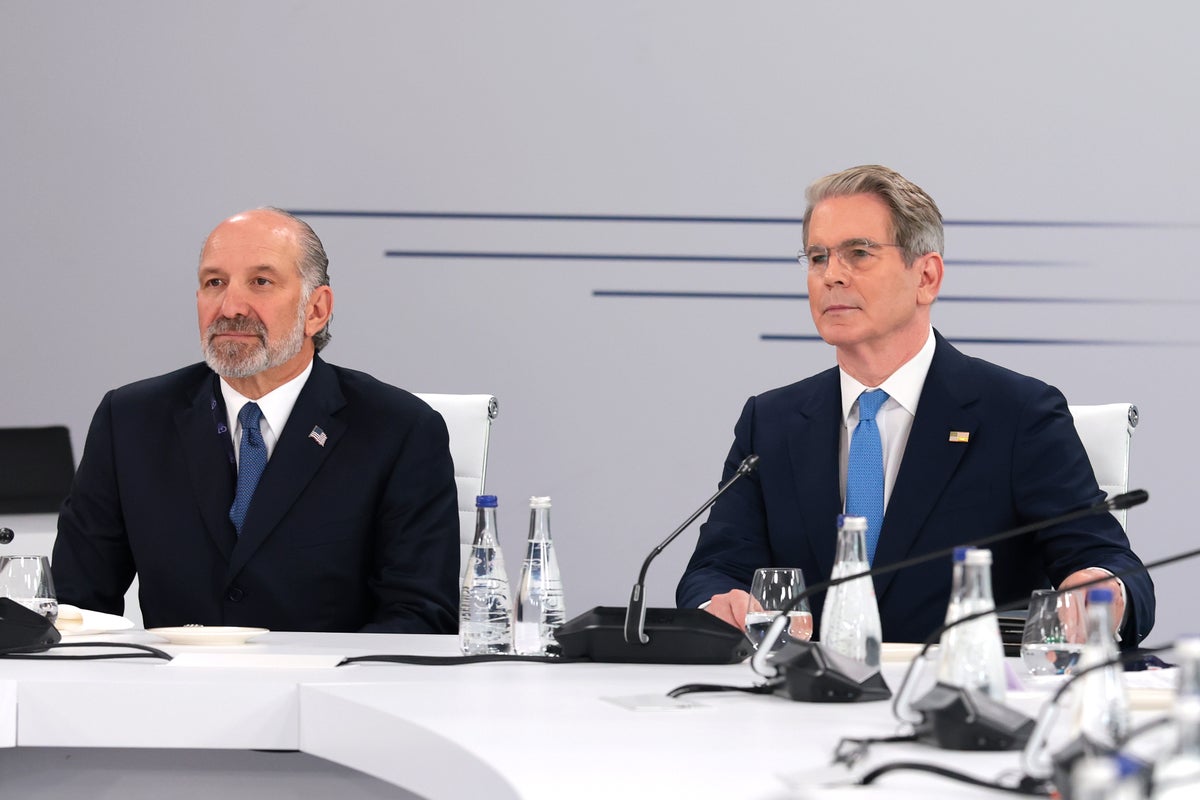
Donald Trump doesn't just tolerate chaos. He curates it. If you want to understand how economic policy is actually made in the current administration, forget about traditional think-tank white papers or structured committee meetings. Instead, look at the brutal, theatrical infighting between Treasury Secretary Scott Bessent and Commerce Secretary Howard Lutnick.
A revealing account in the book Regime Change by New York Times reporters Maggie Haberman and Jonathan Swan exposes just how far this rivalry goes. According to the book, Trump watched Bessent completely shred Lutnick right in front of him, treating the vicious policy clash between his two top economic minds as a spectator sport. At one point during the confrontation, Bessent openly told Lutnick, "You’re an idiot." Trump, far from being appalled by the breakdown in decorum, thoroughly enjoyed the show.
This isn't just juicy West Wing gossip. It's a window into a volatile governing style where policy emerges from survival-of-the-fittest personality clashes. When billionaires go to war in the Oval Office, the stakes involve trillions of dollars in global trade, federal spending, and the future of the American financial system.
The Knife Fight Under the Oval Office Spotlights
The friction between Bessent and Lutnick started long before they took their oaths of office. During the transition period, the race for the Treasury Secretary slot was described by insiders as an absolute knife fight. Lutnick, the aggressive CEO of Cantor Fitzgerald who was running the transition team, aggressively gunned for the job. Bessent, a seasoned hedge fund manager and former chief investment officer for George Soros, was the Wall Street favorite who promised a calmer hand on the economic wheel.
Trump ultimately split the baby. He handed Treasury to Bessent and gave Lutnick the Commerce Department as a consolation prize. If anyone thought that would end the turf war, they radically misunderstood both men.
The book reveals that the tension boiled over during negotiations for a critical minerals deal with Ukraine. Bessent and Lutnick clashed heavily over the exact wording of the document, delaying progress. When they took their dispute to the president, Bessent didn't hold back, unloading on Lutnick's grasp of the situation while Trump watched with amusement.
Trump has always used a Roman Colosseum approach to management. By letting his subordinates tear each other apart, he keeps them competing for his approval while ensuring neither gains enough independent authority to challenge him.
Two Bitterly Opposed Views on Tariffs and Trade
The clash between these two alpha figures reflects a deeper ideological split over how the administration should wield its economic power. They aren't just fighting over who gets the better headlines; they're fighting over the actual direction of U.S. trade policy.
The Transactional Enforcer
Lutnick has positioned himself as an uncompromising cheerleader for sweeping tariffs. At the Commerce Department, his role has been intensely transactional. He handles the heavy-handed corporate enforcement, renegotiating CHIPS Act contracts, demanding equity stakes for the government in companies like Intel, and squeezing executives for concessions. It's a volatile, aggressive approach that treats global trade like a series of corporate buyouts.
The Macro Strategist
Bessent approaches things with the calculation of a short-seller. He views tariffs not as an end in themselves, but as leverage—negotiating tools to force trading partners to the table. While Lutnick leans into the disruption, Bessent is the one tasked with pitching the administration's economic nationalism to skittish bond markets. He frames the agenda around long-term economic security, supply chain resilience, and his "333 plan" aiming for 3% growth and cutting the budget deficit to 3% of GDP.
This fundamental disagreement creates massive friction. When you have the Commerce Secretary telling corporate America one thing and the Treasury Secretary trying to soothe global financial markets with another, policy whiplash is inevitable.
The Chaos Factor in Real-World Governance
We're already seeing the concrete costs of this management style. The internal warfare and constant jockeying for Trump’s favor have slowed down major initiatives.
For instance, the two secretaries were tasked with jointly developing a proposal for a U.S. sovereign wealth fund. Unsurprisingly, the joint effort ran into immediate roadblocks. The White House ended up pushing back on the Treasury Department's mechanics for the fund, leaving the massive economic initiative stuck in administrative limbo while the two departments bickered over details.
Furthermore, Bessent's aggressive streak hasn't just been directed at Lutnick. Regime Change details how Bessent flew to Kyiv to pressure Ukrainian President Volodymyr Zelenskyy on the minerals deal, resulting in a 45-minute shouting match where Bessent eventually snapped, "What the fuck do you want to do?"
When the draft edits came back from Ukraine, the paperwork was such a mess that Trump bypassed both of his battling secretaries entirely. He asked JD Vance’s wife, Usha Vance—a Yale Law graduate—to review the edits. She took a heavy pencil to the document, declaring it "awful."
How Executives Can Navigate a Split Administration
For business leaders, investors, and international observers, watching this theater is exhausting. But you can't afford to just ignore it. When the two most powerful economic slots in the cabinet are actively trying to undermine each other, your strategy has to adapt.
- Don't bet everything on a single promise: Automakers reportedly spent months negotiating tariff credits with Lutnick, only to see the timeline shifted back by six months, a move that cost Ford nearly $1 billion. A deal with one department can easily be subverted by the other.
- Watch the policy stages, not the cable news hits: While Lutnick is a master of media cheerleading, look at who is actually getting the policy pen. Bessent's recent speeches at major economic forums show he is successfully claiming intellectual territory over tariffs and national security that would traditionally belong to Commerce.
- Prepare for sudden pivots: When policy is decided via late-night arguments and sudden outbursts in the Oval Office, stability goes out the window. Build flexibility into your supply chain and pricing models to absorb sudden tariff shifts.
The reality of this administration is that conflict is the engine, not a defect. If you're waiting for a unified, predictable economic message to emerge from Washington, you're going to be waiting a very long time. The smart play is to watch which rival holds the upper hand on any given Tuesday and protect your downside accordingly.


