The two-week ceasefire between the United States, Israel, and Iran is not a peace deal. It is a tactical pause in a high-stakes demolition project. While the world breathes a sigh of relief that President Trump backed away from his "civilization-ending" ultimatum, the reality on the water tells a different story. The Strait of Hormuz is officially "reopened," but the naval architecture of the region has been permanently altered. This isn't diplomacy; it’s a controlled siege.
By late Wednesday, the administration made its position clear. All U.S. carrier strike groups, stealth aircraft, and munitions will remain in a "cocked pistol" formation around the Iranian perimeter. The message to Tehran is blunt: comply with the "Real Agreement"—a term the White House uses to distinguish its demands from previous diplomatic failures—or the bombing resumes with even greater ferocity.
The Mirage of Open Waters
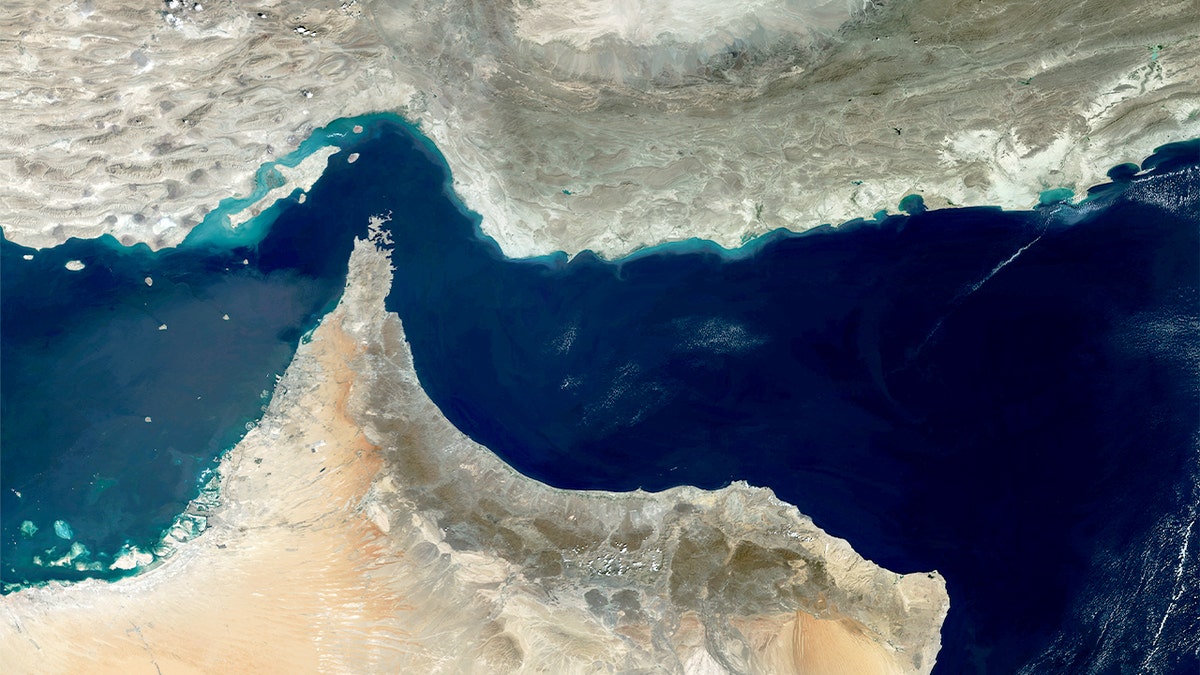
The reopening of the Strait of Hormuz is the central pillar of this fragile truce. For weeks, the world watched as global energy markets buckled. Oil and gas prices didn't just climb; they threatened to liquefy Western economies as Iran effectively choked the 21-mile-wide waterway. Now, tankers are moving again, but they are doing so under a shadow.
The Iranian Revolutionary Guard Corps (IRGC) hasn't simply disappeared. While the Biden-era "shadow war" involved clandestine mine-laying and ship seizures, the 2026 conflict brought these tactics into the light. The IRGC remains capable of turning the tap off at a moment's notice. Trump’s warning that the "Shootin’ Starts" if the strait is compromised again isn't just rhetoric—it’s a reflection of the new Rules of Engagement. The U.S. Navy has shifted from a freedom-of-navigation mission to an enforcement mission.
Operation Epic Fury and the Nuclear Rubble
To understand why Iran blinked, you have to look at the wreckage. Operation Epic Fury, the joint U.S.-Israeli campaign launched in February, did more than just hit military barracks. It targeted the very nervous system of the Iranian state. Intelligence reports suggest that the bulk of Iran’s nuclear infrastructure, once buried deep under mountains, is now little more than radioactive gravel.
Defense Secretary Pete Hegseth recently claimed a "capital V military victory." This might be an oversimplification, but the conventional military disparity has never been wider. Iran’s air defenses were systematically dismantled over twelve days of relentless sorties in 2025 and 2026. The Supreme Leader is dead, the command structure is fractured, and the economy is in freefall.
Tehran’s "10-point peace plan" wasn't a gesture of goodwill. It was a survival instinct.
The Lebanon Loophole
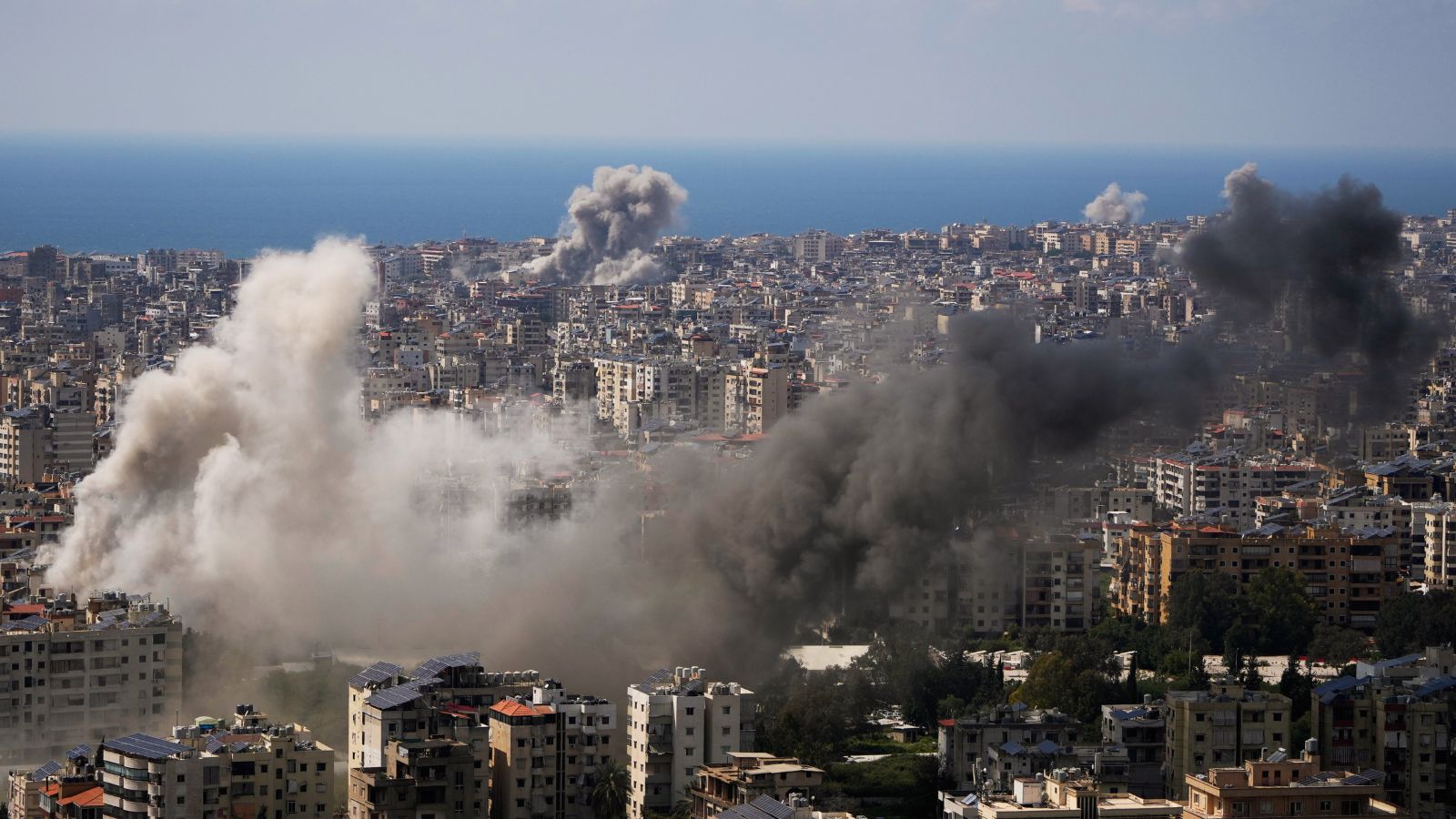
While the ceasefire covers the Iranian mainland, it does not apply to the Levant. Israel has made it painfully clear that its campaign against Hezbollah will continue. This is the "Lebanon Loophole" that could collapse the entire arrangement.
A War Without Borders
- Targeting Hezbollah: Israeli strikes on Beirut have continued unabated since the ceasefire was signed.
- The Buffer Zone: Israel is actively carving out a permanent security corridor on the Lebanese side of the border.
- The Proxy Problem: Iran views Hezbollah as its most effective external deterrent. If Israel successfully decapitates the group, Iran loses its primary lever of regional influence.
This creates a paradox. If Iran stands by while its "Crown Jewel" proxy is destroyed, the regime loses what little remains of its regional credibility. If it intervenes, it triggers the "Shootin’ Starts" clause of Trump’s ultimatum.
The Nuclear Dig Up
The most controversial aspect of the current negotiations is the "dig up" proposal. President Trump has suggested that the U.S. will work with Iranian officials to physically excavate and remove enriched uranium from the ruins of their facilities.
This sounds like a logistical impossibility, yet it remains the administration's red line. The "Real Agreement" demands zero enrichment. Not "limited" enrichment, and certainly not the "monitored" enrichment of the 2015 JCPOA. The goal is total denuclearization of the Iranian plateau.
What the Deal Demands
- Total Enrichment Ban: No centrifuges spinning, period.
- Permanent Access: International inspectors—or U.S. military monitors—at every site.
- Hormuz Security: A multinational naval coalition to replace the IRGC’s "toll booth" tactics.
The Economic Iron Fist
Sanctions and tariffs remain the primary tools of American leverage. Trump has already linked the lifting of these measures to the "Real Agreement." This isn't just about freezing bank accounts; it’s about a total blockade of the Iranian energy sector until the last gram of enriched uranium is accounted for.
The streets of Tehran are currently a tinderbox. Pro-government hardliners are burning flags, while a weary, hungry population watches the two-week clock tick down. The regime is caught between an apocalyptic battle it cannot win and a surrender that ends its 47-year experiment in Islamic governance.
The Two Week Countdown
We are currently in a state of hyper-vigilance. The U.S. military is "loading up and resting," in the words of the President. This suggests that the ceasefire isn't being used for diplomacy so much as it is being used for re-arming and intelligence gathering.
The Strait of Hormuz might be open today, but the naval assets surrounding it are larger than they were at the height of the war. If the two-week window expires without a signed, verified "Real Agreement," the transition from ceasefire to "Conquest" will be instantaneous. The "civilization-ending" threat hasn't been removed; it has just been placed on a timer.
The world is watching the water. The tankers are moving, but the guns are still pointed at the shore.
The clock is ticking.