Five lives ended in a tangled heap of wreckage in a Texas field, leaving a community of pickleball enthusiasts searching for answers that the preliminary crash reports rarely provide. This was not a commercial airliner with triple-redundant systems and a flight deck monitored by a dozen ground-based sensors. It was a private flight, the kind that moves thousands of people across the American South every day under a regulatory framework that is increasingly showing its age. While the headlines focused on the rising popularity of the sport and the shock of the loss, the real story lies in the lethal gap between General Aviation safety standards and the high-stakes demands of modern regional travel.
The crash occurred shortly after takeoff, a critical phase of flight where the margin for error is razor-thin. Investigations into such incidents typically follow a predictable path: weather, mechanical failure, or pilot error. But focusing on those variables alone ignores the systemic pressures that lead to these outcomes. Private aviation is often sold as the ultimate convenience, a way to bypass the friction of major hubs like DFW or Houston Hobby. However, that convenience comes with a trade-off in oversight that most passengers—including those heading to a weekend tournament—simply do not understand until it is too late.
The Illusion of Commercial Grade Safety
Most people assume that if a plane is large enough to carry five or six passengers, it operates under the same rigorous scrutiny as a Southwest or American Airlines flight. It doesn't. There is a massive legal and operational chasm between Part 121 operations (major airlines) and Part 91 operations (private, non-commercial flights).
In a Part 91 environment, the pilot-in-command has an extraordinary amount of autonomy. They are the mechanic, the dispatcher, and the weather briefer rolled into one. When a group of friends or athletes boards a private plane, they are entering a world where safety is often a matter of individual discipline rather than institutional mandate. There are no mandatory rest requirements for a private pilot in the same way there are for airline captains. There is no dispatcher in a windowless room miles away looking at a radar screen and telling the pilot they cannot take off.
Weight and Balance Failures in Small Groups
One of the most overlooked factors in multi-passenger light aircraft accidents is the "friends and family" load factor. When five adults board a small aircraft, especially with sports gear and luggage, the plane often approaches its maximum gross weight.
- Center of Gravity Shifts: It isn't just about total weight; it is about where that weight sits. A few bags of pickleball paddles and gear stowed in the rear locker can shift the center of gravity far enough back to make the aircraft unstable during a climb.
- Performance Degradation: At high temperatures—common in Texas—the air is less dense. A heavy plane needs more runway and climbs more slowly.
- The Go-No-Go Decision: In a casual setting, the social pressure to get to the destination can override a pilot’s better judgment regarding weight limits.
When these factors converge during the first three minutes of flight, the result is often a stall-spin accident. These are almost always fatal because the aircraft is too low for the pilot to recover.
The Texas Corridor and the Danger of Micro-Climates
Texas presents a unique set of challenges for light aircraft. The state is a massive heat sink, creating thermal turbulence and sudden convective activity that can overwhelm a light twin or high-performance single-engine plane. The flight in question was operating in a region known for rapid weather shifts.
While a Boeing 737 can punch through most minor turbulence with little more than a "fasten seatbelt" sign, a light aircraft is at the mercy of the atmosphere. If a pilot encounters a sudden downdraft or a shift in wind direction while already heavy and climbing, the aircraft’s performance can evaporate in seconds. Investigative journalists often find that the "clear skies" reported at the time of a crash don't tell the whole story. Localized wind shear or density altitude issues can create a "dead man’s corner" where the plane is flying too slow to climb but too low to maneuver.
Maintenance Gaps in the Private Fleet
We have to talk about the age of the fleet. The average age of a General Aviation aircraft in the United States is over 30 years. These are not new machines. They are vintage airframes kept alive by a patchwork of repairs and upgrades.
While the engines are usually well-maintained according to FAA schedules, the "invisible" components—fuel lines, control cables, and electrical looms—are prone to fatigue. In the Texas crash, investigators will be looking for signs of catastrophic engine failure, but they should also be looking at the maintenance logs for "deferred" items. In the private world, it is remarkably easy to push a "minor" repair to the next annual inspection. When you have five people on board, those minor issues become major liabilities.
The Regulatory Blind Spot
The Federal Aviation Administration (FAA) is a reactive body. It changes rules after the body count becomes high enough to warrant political intervention. Currently, there is very little appetite for tightening Part 91 regulations because it would cripple the General Aviation industry and the small airports that rely on it.
However, we are seeing a trend where groups of people—athletes, corporate teams, hobbyists—are "ride-sharing" in private planes to save time. This creates a grey market of sorts. If money changes hands for the flight, it should technically be under Part 135 (charter) rules, which are much stricter. If it’s just friends splitting gas, it stays under Part 91. This distinction is literally a matter of life and death, as Part 135 operators must have a rigorous FAA-approved training program and higher maintenance standards.
Why the "Human Factor" is a Lazy Explanation
In the coming months, the National Transportation Safety Board (NTSB) will likely issue a report citing "Pilot Error." This is a convenient catch-all. It satisfies the insurance companies and closes the file. But "Pilot Error" is the beginning of the investigation, not the end.
We need to ask why the pilot felt they could make the flight. Was there a lack of cockpit resource management? Was the pilot distracted by the social dynamic of the group? In many small-plane crashes involving groups, there is a phenomenon known as "passenger-induced pressure." The pilot doesn't want to let their friends down. They don't want to be the one to say, "The plane is too heavy," or "The weather looks iffy," when everyone is excited about a tournament.
The Technical Reality of the Crash Site
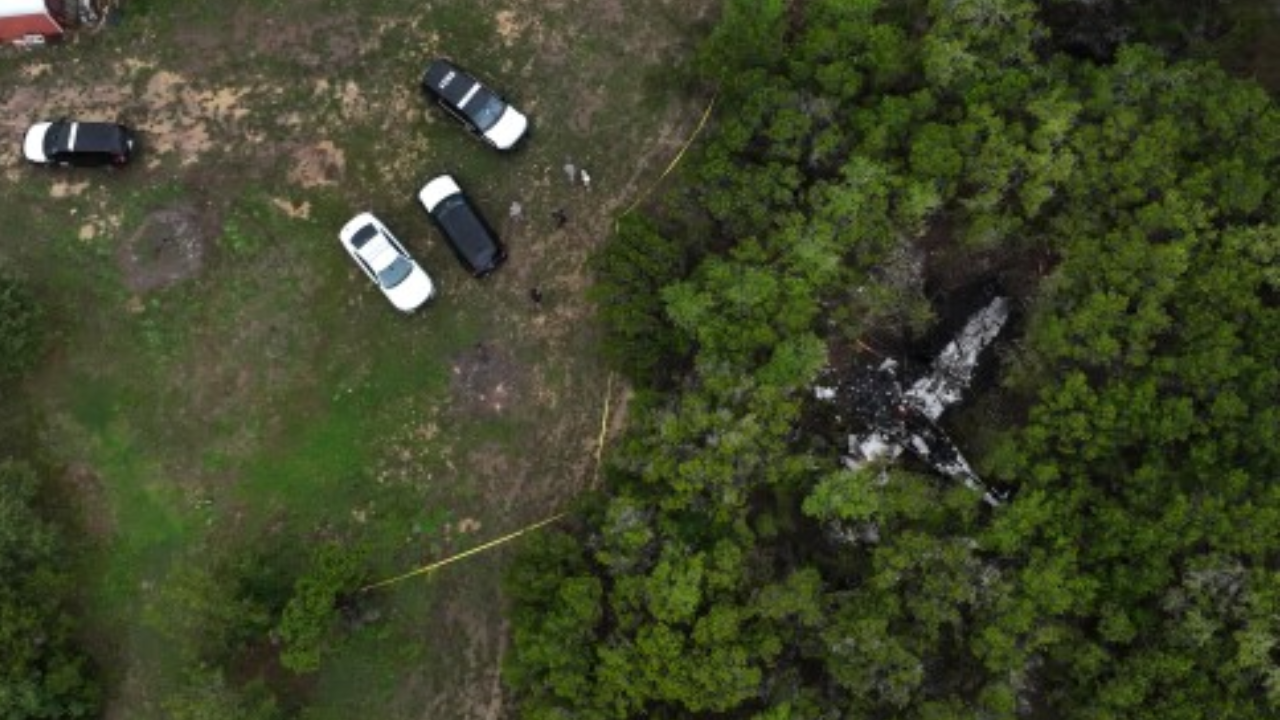
The wreckage pattern in Texas suggests a high-energy impact with little forward velocity. This is the signature of a vertical descent. To the layman, it looks like the plane simply fell out of the sky. To an analyst, it suggests a loss of control, likely due to an aerodynamic stall.
When a wing stalls, it stops producing lift. If one wing stalls before the other—common if the pilot is trying to turn back to the airport—the plane rolls and enters a spin. At 500 or 1,000 feet, there is zero chance of recovery. It is a terrifying, final realization for those on board.
Beyond the Headline
The loss of five members of a community is a tragedy, but if we treat it as an isolated "accident," we ensure it will happen again. The growth of niche sports like pickleball has led to an increase in regional travel. People are looking for ways to move efficiently between mid-sized cities that are poorly served by major airlines. Private aviation is filling that gap, but the safety infrastructure isn't keeping pace with the increased tempo of these flights.
We are seeing a repeat of the patterns that led to the tightening of charter regulations in the 1990s. The industry needs to address the "enthusiast" pilot who is flying missions that look remarkably like commercial sorties but without the commercial safety net.
The Real Cost of Convenience
The families of the five victims are now dealing with the aftermath of a decision that likely took five minutes to make: "Let's just fly there; it'll be faster." That decision was made based on a trust in the technology and the pilot that might have been misplaced.
For the general public, the takeaway isn't that flying is dangerous. Statistically, it remains safer than the drive to the airport. The takeaway is that not all flying is equal. The safety of a flight is determined by the regulatory cage it lives in. Until the FAA closes the gap between the autonomy of the private pilot and the safety mandates of the commercial world, these Texas fields will continue to hold the remains of people who were just trying to get to the game on time.
The NTSB will eventually release a final report in 12 to 18 months. It will list the probable cause. It will mention a mechanical link or a pilot’s decision. It will not mention the culture of "good enough" that pervades the private aviation sector, nor will it address the systemic lack of oversight that allows a pilot to load an aircraft to its absolute limit and fly into the Texas heat without a second pair of eyes on the manifest.
Safety in the air is bought with redundancy. In the world of private aviation, the only redundancy is the pilot’s own skill, and as we have seen far too many times, that is a single point of failure that the industry can no longer afford to ignore. Check the manifest, weigh the bags, and remember that an airplane does not care about your tournament schedule. It only cares about the laws of physics, which are enforced with total indifference.
Demand a higher standard for regional travel or stay on the ground.