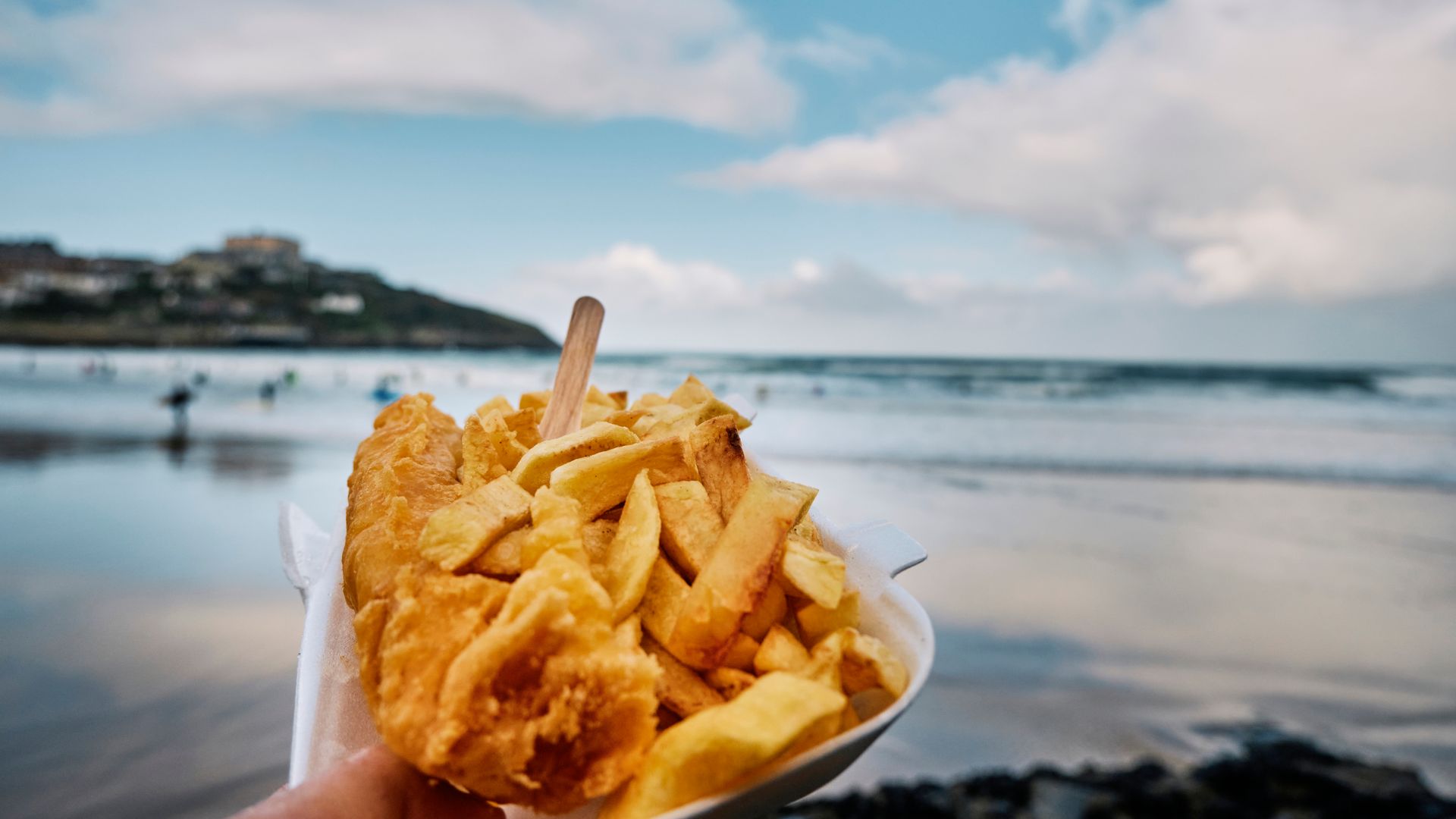
The British fish and chip shop is under siege from a geopolitical pincer movement that starts in the Middle East and ends at the deep fat fryer. While headlines focus on the immediate terror of regional escalations involving Iran, the ripple effects are quietly dismantling the economics of the UK's most iconic meal. We are witnessing a fundamental break in the supply chain where energy costs, oil seed availability, and shipping lane security converge to make the £10 takeaway a relic of the past.
For the average shop owner in Blackpool or Birmingham, the threat isn't just about an abstract war. It is about the price of sunflower oil and the electricity bill required to keep the ranges at 180°C.
The Straits of Hardship
The primary artery of global trade runs through the Strait of Hormuz and the Red Sea. When tensions involving Iran spike, insurance premiums for cargo vessels don't just rise; they explode. This isn't a theoretical exercise in economics. It is a direct tax on every liter of cooking oil and every sack of potatoes moved across maritime borders.
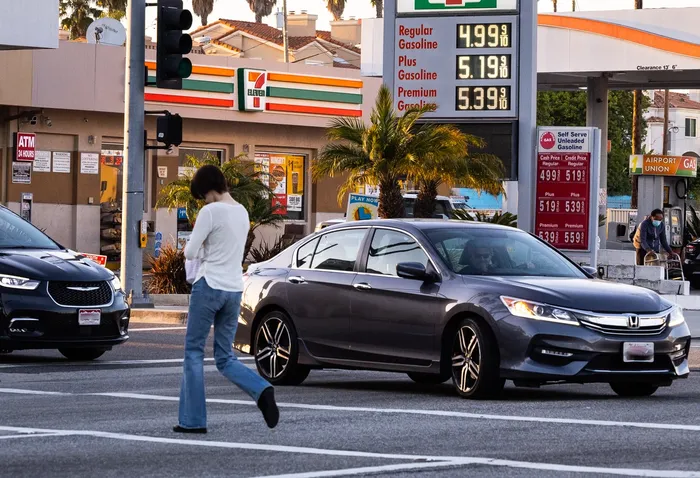
Iran sits at the gateway of the Persian Gulf, a chokepoint through which 20% of the world’s liquid natural gas and oil flows. Any disruption here sends shockwaves through the UK energy market. Because British chip shops are notoriously energy-intensive—using massive amounts of gas to maintain constant frying temperatures—a flicker of instability in Tehran translates to a massive overhead spike in Tottenham.
We have moved beyond the era of "cheap eats." The chippy was historically the refuge of the working class, a calorie-dense meal that resisted inflation through sheer volume and simple sourcing. That shield has shattered.
The Sunflower Oil Trap
The conflict in the Middle East does not exist in a vacuum. It interacts with the lingering scars of the Ukraine war. Ukraine and Russia together accounted for the vast majority of the world's sunflower oil exports. When that supply was choked, the market turned to alternatives like palm oil and rapeseed oil.
However, the Middle East is a major transit hub and a burgeoning producer of refined oils. If a wider regional conflict draws in Iran and its neighbors, the secondary processing hubs are threatened. We saw a "fryer panic" in 2022 where prices quadrupled overnight. Many shop owners switched to beef dripping or cheaper vegetable blends, but even these are tethered to global commodity prices. If you can’t get sunflower oil through the Suez Canal because of regional instability, you pay the "war premium" at the cash and carry.
The Fertilizer Connection
Most people don't associate the price of a bag of chips with the price of natural gas in the Gulf, but the link is unbreakable. Potatoes are a hungry crop. They require significant amounts of nitrogen-based fertilizer to reach the size and starch content required for a perfect chip.
Natural gas is the primary feedstock for ammonia, the building block of fertilizer. Iran is a massive player in the global gas market. When regional tensions rise, gas prices climb, fertilizer production slows, and the cost of growing a King Edward potato in a field in Lincolnshire goes up. The farmer passes that cost to the wholesaler, the wholesaler passes it to the shop, and the customer ends up paying £1.50 for a "small" portion that used to be 40 pence.
Labor and the Shrinking Margin
The investigative reality of the modern chip shop is one of dwindling returns. I spoke with several owners who are working eighty-hour weeks just to break even. They are caught between a loyal customer base that cannot afford price hikes and a global market that demands them.
The "favourite food" narrative often ignores the brutal logistics. A standard fish and chip shop operates on a razor-thin margin, often less than 10%. When the cost of white fish—much of which is still sourced from North Atlantic waters but processed globally—rises alongside energy and oil, that margin evaporates.
The Cod Diplomacy
Fish is the final piece of this volatile puzzle. While the UK catches its own fish, it remains a net importer of the cod and haddock that consumers actually want. The shipping routes for processed frozen fish are subject to the same fuel surcharges and security risks as any other global commodity.
If fuel prices rise because of a Middle Eastern flare-up, the trawlers stay in port longer, or they charge more for the catch to cover their own diesel costs. It is a feedback loop of expense. We are seeing a shift where "sustainable" or "local" isn't just a marketing buzzword; it’s becoming a survival strategy for shops that can no longer rely on the globalized supply chain.
The Death of the Independent Shop
The most tragic outcome of this geopolitical squeeze is the homogenization of the British high street. Large franchises have the capital to hedge against energy prices and sign long-term supply contracts for oil and fish. The independent, family-run chippy does not.
Every time a missile is fired or a tanker is seized, the "mom and pop" shop moves one step closer to closure. We are seeing a record number of closures across the UK, not because people stopped liking fish and chips, but because the cost of producing it has become disconnected from the reality of what people can pay.
Sovereignty and the Plate
There is a hard truth that the UK government and the public must face: food security is national security. The fact that a regional war thousands of miles away can threaten a staple of the British diet highlights a terrifying level of over-reliance on fragile, globalized systems.
To save the chippy, the industry needs more than just a reduction in VAT. It needs a complete overhaul of how it sources energy and raw materials. Some forward-thinking owners are installing high-efficiency electric ranges or looking at ultra-local potato sourcing to bypass the global volatility. But these upgrades require capital that most shops simply don't have after three years of relentless economic pounding.
The war in the Middle East isn't just a news segment on the evening broadcast. It is the reason your local shop is charging extra for a dip of gravy. It is the reason the "haddock special" is no longer on the menu. The bridge between geopolitical strategy and the dinner table is shorter than we ever imagined.
Stop looking at the fish and chip shop as a cultural relic. Start looking at it as a canary in the coal mine for a global economy that is increasingly unable to provide the basics at a price the average citizen can afford. If the pincer movement continues, the only thing left of the nation's favorite meal will be the memory of when it used to be affordable.
Check the origin of your shop's oil next time you're in the queue. Ask them about their last electricity bill. The answers will tell you more about the state of the world than any politician’s speech.