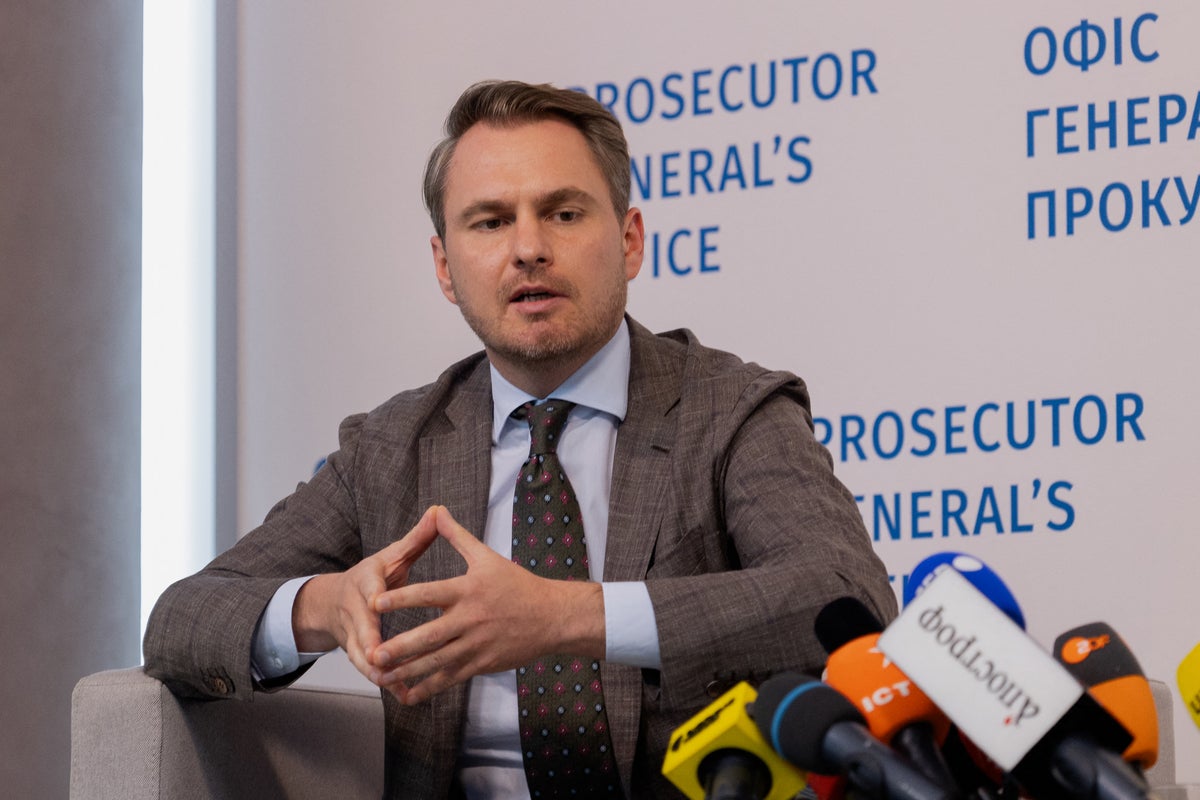
Power smells like cold stone, damp wool, and the faint, metallic tang of unventilated basements where fluorescent tubes hum a low, constant threat. I know that smell. I have stood in those corridors in Kyiv, watching the breath of men in heavy coats fog up the glass of doors that decide who stays and who is discarded.
When a prosecutor general walks away from the highest desk of justice during a war for survival, the building does not shake. No sirens wail. Instead, a profound, chilling silence settles over the tiles.
Ukraine’s top prosecutor recently did just that. He resigned. Not because the work became too heavy. Not because the hours broke him. He left because the invisible machinery of political survival ground against the cogs of independent law enforcement until something had to snap. And snap it did.
Consider what happens when the state is bleeding from a thousand external wounds, yet the knife at its throat is held by an ally.
We forget that justice during wartime is not a pristine courtroom with polished mahogany and polite disputes. It is a brawl in a mud pit. Every investigation into corruption, every missing million meant for artillery shells, every stolen generator intended for a freezing kindergarten in Kharkiv becomes a grenade rolled into a political parlor.
Let us be honest about the anatomy of this fracture.
For months, whispers turned into open secrets. Prosecutors probing high-level procurement scandals found their files gathering dust or their teams reassigned overnight. The pressure did not arrive with a gunshot or a midnight raid. It came via late-night phone calls, budgetary freezes, and the subtle, suffocating hint that certain names were simply too heavy to touch while the nation fought for its breath.
Imagine sitting at a heavy oak desk. Before you lies a dossier detailing how funds meant to reinforce frontline trenches were siphoned into offshore accounts. You know the cost of that theft in blood. You know that every missing concrete barrier translates directly to a shattered body in the Donbas. You pick up the pen to sign the indictment.
Then, the door opens.
You are told to wait. You are told that unity matters more than truth. You are told that stability requires turning a blind eye to the predators wearing your own flag.
That is the moment a prosecutor must choose between being a servant of the law or a servant of convenience.
The resignation is a symptom of a deeper, older illness. Ukraine has spent years trying to drag itself out from under the long, heavy shadow of its Soviet inheritance, where the law was never a shield for the citizen, but a truncheon for the ruler. The entire post-revolution architecture of anti-corruption bureaus, specialized courts, and independent prosecutors was built as a firewall. Western partners poured billions and endless diplomatic capital into reinforcing that wall. They demanded independence. They demanded integrity. They demanded results.
Yet, absolute power is a jealous god. Even under siege, the temptation to pull the levers of control remains intoxicating for those who sit near the throne. When an independent prosecutor refuses to play the political game—when they insist that a corrupt minister is just as dangerous to the state as an invading missile—the friction becomes unbearable.
Friction creates heat. Heat burns institutions to ash.
Look closely at the mechanics of this departure. The official statements will speak of personal fatigue, of the need for renewal, of procedural disagreements. Bureaucrats love clean language because it hides the jagged edges of human betrayal. But strip away the diplomatic varnish, and you find a recurring tragedy. The reformer is always eaten by the system long before the system is cured.
We have seen this script before. A brave face steps up, armed with international backing and domestic hope. They launch high-profile probes. They rattle the cages of the untouchables. Then, the political gravity pulls them back down. The network protects itself. The antibodies of the old regime attack the foreign DNA of reform.
And what of the soldiers in the trenches?
Out there, under the gray skies of Zaporizhzhia, men and women do not care about the delicate balance of executive power and prosecutorial autonomy. They care whether the body armor stops a bullet. They care whether the ammunition they were promised actually arrived, or if it was sold off by some clean-shaven bureaucrat sitting in a leather chair three hundred miles away.
When a prosecutor general resigns over political interference, it sends a corrosive message directly to the front line. It whispers that the men dying in the mud are fighting two wars: one against the enemy at the gate, and another against the thieves inside the house.
The danger now is not merely that investigations stall. The danger is a creeping, infectious cynicism. Cynicism is more lethal than artillery because it kills the will to resist from the inside out. If the people begin to believe that justice is just another commodity to be bartered away for political convenience, the moral foundation of the entire resistance begins to crumble.
We must confront the uncomfortable truth. External survival requires internal cleansing. You cannot defeat an authoritarian invader by adopting their methods, by silencing critics, by treating the rule of law as an inconvenient luxury to be shelved until calmer days. Calm days may never arrive. If justice is deferred until the war ends, there may be nothing left of the nation to govern.
The desk in Kyiv is empty now.
Another appointee will sit in the leather chair. The fluorescent tubes will hum their steady threat. The files will be unboxed, sorted, and weighed on invisible scales. Whether the next person chooses to be a shield or a mirror will determine the true trajectory of a nation fighting not just for its territory, but for its soul.
The door closes. The cold stone remains.