Washington's decision to freeze the Permanent Labor Certification Program, known as PERM, for major tech corporations has triggered a diplomatic collision with New Delhi, exposing fundamental fractures in the architecture of India-US relations. When the United States Department of Labor halted processing applications for companies like Tata Consultancy Services, Infosys, Wipro, Microsoft, and Adobe, the policy move was packaged domestically as a shield for American labor.
Yet the fallout extends far beyond local employment statistics. It directly strikes at the core of skilled immigrant mobility, drawing a sharp rebuke from India's Ministry of External Affairs (MEA) over both the policy mechanics and the fiery rhetoric deployed by Vice President JD Vance.
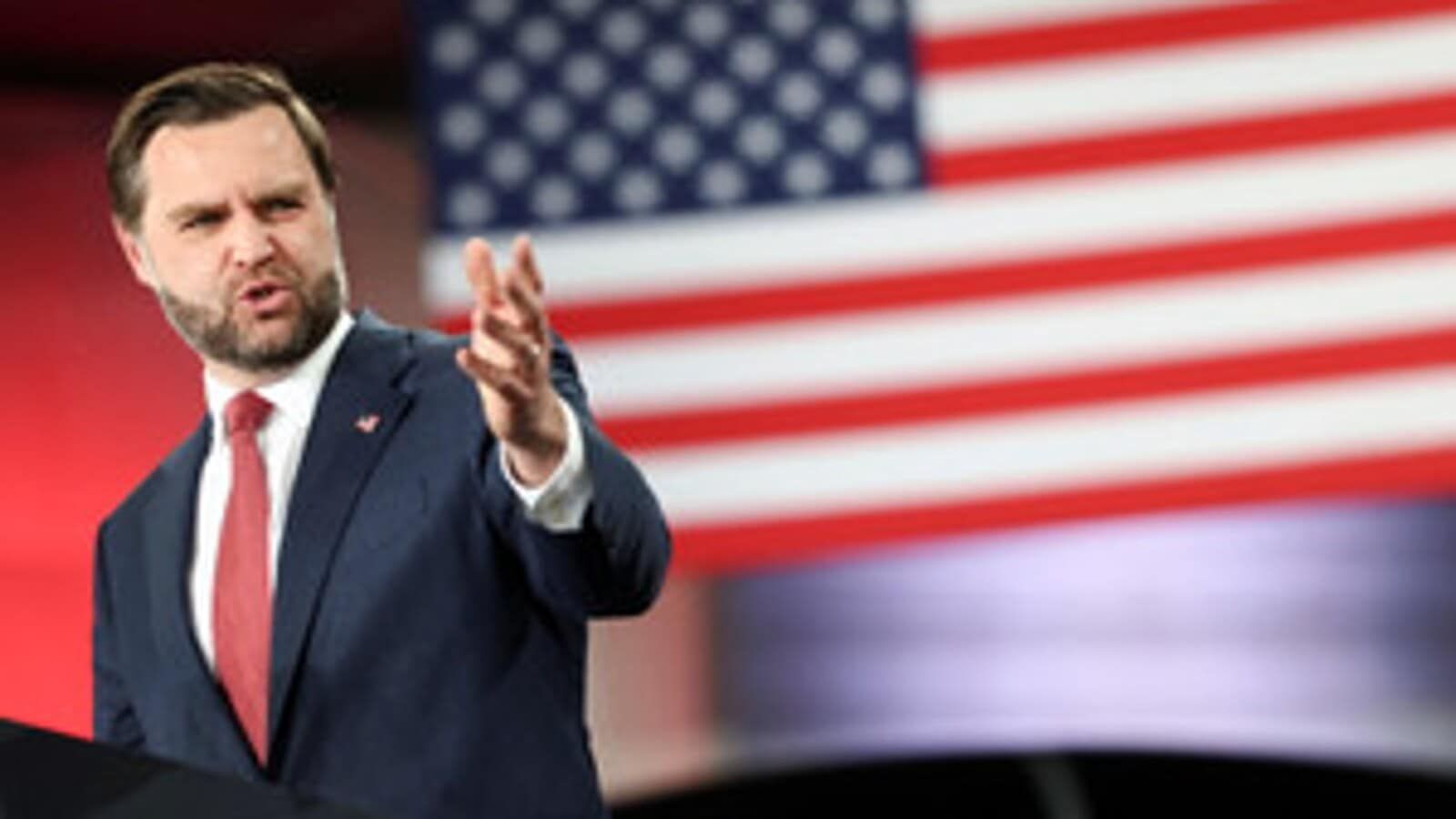
The immediate trigger for the diplomatic escalation came from Vance's public defense of the restrictions. Characterizing foreign tech workers brought in through outsourcing firms as "indentured servants" used to undercut American wages created immediate shockwaves. New Delhi responded swiftly, labeling the terminology unwarranted, historically insensitive, and deeply offensive.
The MEA pointed out that the rhetoric ignored the reality of highly educated Indian professionals who drive innovation and economic growth across the United States. Behind closed doors, diplomatic channels are scrambling to manage a narrative that threatens to derail years of careful alignment on technology supply chains and defense partnerships.
To understand why this friction is occurring now, one must look at the mechanics of the H-1B visa and the PERM pathway. For decades, the temporary worker visa served as the initial bridge for foreign engineers, scientists, and analysts entering the American market. The PERM process represents the critical transition phase from temporary status to permanent residency, or a green card. By freezing this pipeline for specific firms under federal investigation for wage disparities, the administration has effectively paused the long-term settlement prospects of thousands of skilled professionals.
The administration argues that systemic wage gaps justify the crackdown. White House figures claim that foreign professionals hired through outsourcing channels earn substantially less than their American counterparts in identical roles, creating an incentive for corporations to bypass domestic talent. Industry bodies such as Nasscom counter that the actual volume of workers transitioning from H-1B visas to green cards via PERM is relatively modest, and that punishing corporate sponsors harms the broader innovation ecosystem by creating hiring uncertainty.
This policy divergence highlights a deeper economic contradiction. Washington wants to decouple sensitive technology sectors from geopolitical rivals and onshore advanced manufacturing, yet it is simultaneously erecting barriers against the very global talent pool that staffs Silicon Valley and major corporate tech hubs. Indian technology services firms, long integrated into the operational backbone of American banking, healthcare, and retail enterprises, find themselves caught in the crossfire of domestic US protectionism.
The friction is further compounded by overlapping trade tensions. Recent legislative moves in Washington to impose steep tariffs on nations importing Russian crude oil have added another layer of complexity to bilateral negotiations. While strategic frameworks like the Quad continue to advance security cooperation in the Indo-Pacific, economic nationalism at home is creating friction that traditional diplomacy struggles to smooth over.
Foreign policy analysts note that treating economic migration purely as a domestic labor dispute ignores the realities of globalized competition for specialized intellect. When political rhetoric invokes colonial legacy connotations to describe modern corporate employment structures, it signals to international partners that the terms of engagement are shifting away from collaborative partnership toward transactional containment.
The long-term consequences of this impasse will depend on whether administrative freezes evolve into permanent legislative blockades. If major technology firms are forced to restructure their global delivery models permanently, talent will increasingly pivot toward alternative hubs in Europe, Canada, or domestic markets within Asia. New Delhi's public pushback indicates that India is no longer willing to absorb policy shocks quietly in the name of strategic partnership, setting the stage for a more demanding and conditional relationship between the two democracies.
Inside the US Green Card Crisis Nobody is Talking About
This video provides an in-depth look at how the latest US immigration restrictions and green card freezes are impacting Indian technology professionals and straining bilateral ties.


