The grease trap behind the kitchen door of Marco’s trattoria always smells like old lemons and scalded oil. At four o'clock on a Tuesday afternoon, before the white tablecloths are dressed and the candles are lit, that smell is the only honest thing in the room. Marco sits on an upturned milk crate, his knees popping as he stands, holding a stack of delivery invoices that read like a slow execution.
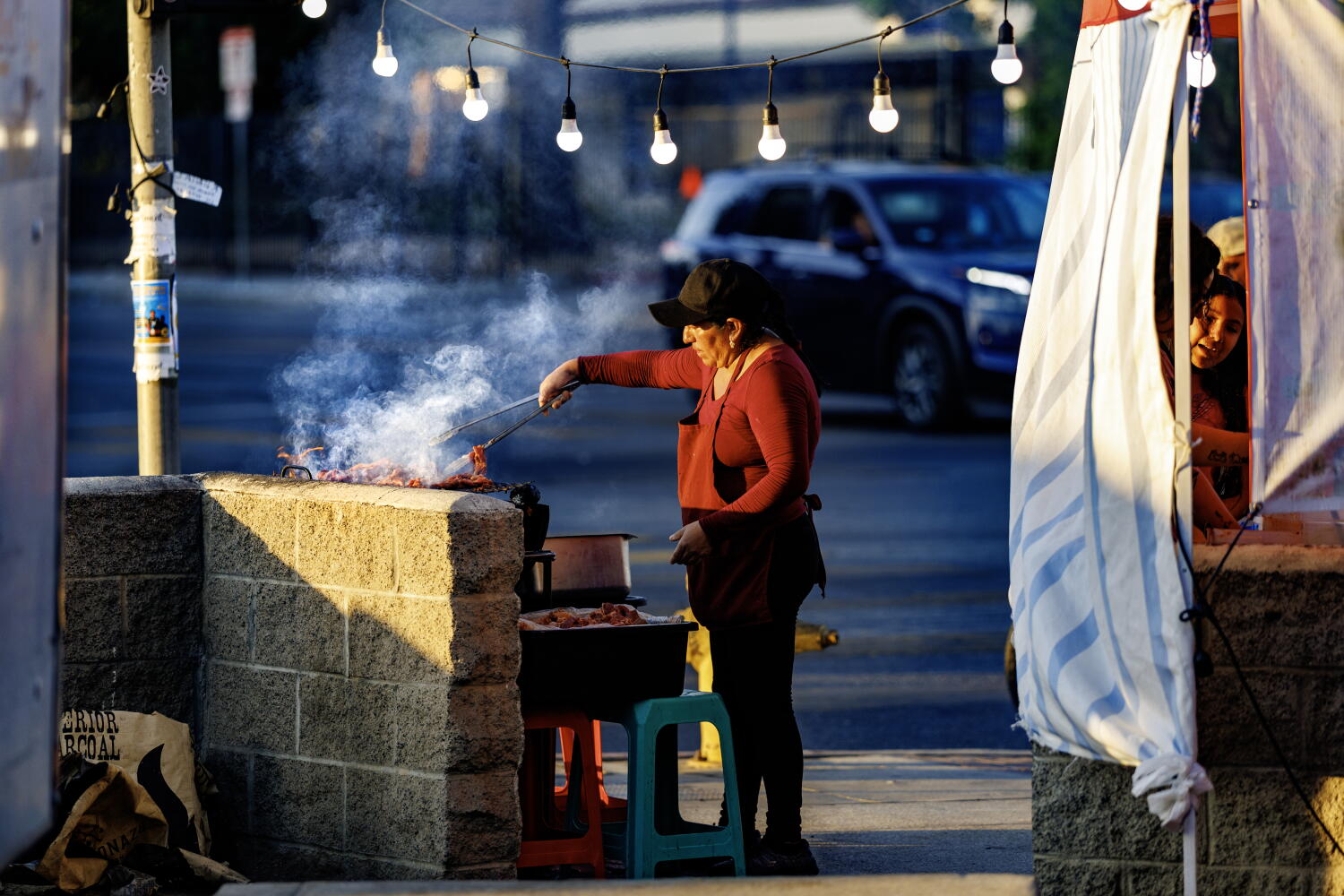
Property taxes are up twenty-two percent. Gas lines are leaking money. And out on the sidewalk, six feet from the wrought-iron railing where diners are supposed to sit and watch the neighborhood breathe, a metal cart hums with a diesel generator.
The cart sells tacos for three dollars. Marco sells them for fourteen.
Nobody wants to vilify a man trying to feed his family from a flat-top grill on wheels. That is the trap of this conversation. We are told to choose between the romantic hustle of the street vendor and the sterile survival of the brick-and-mortar storefront. But the ledger does not care about romance. The ledger records reality.
Consider what happens next: Marco pays commercial rent, commercial property insurance, mandatory health department compliance fees, grease trap maintenance contracts, and commercial waste disposal. He employs four line cooks, two dishwashers, and a hostess, all of whom expect a paycheck that clears every two weeks. The vendor outside pays none of these overhead burdens. They park on public asphalt, plug into a silent economy of zero rent, and skim the exact cream off the top of the dinner rush that Marco needs just to break even.
This is not a battle of culinary philosophies. It is a structural fracture in urban commerce.
When a restaurant fails, the public sees a dark window and a handwritten sign. What they do not see is the cascade. They do not see the linen supply company losing an account, the wine distributor writing off an invoice, or the dishwasher who now has to figure out how to buy groceries. A neighborhood restaurant is an ecosystem disguised as a business. Pull one brick out of the arch, and the whole masonry starts to slide.
To understand the friction, we must look at the rules. Or rather, the lack of them.
In many cities, street vending regulations were written decades ago, designed for an era of pretzel carts and ice cream wagons. They were never meant to accommodate mobile commercial kitchens that can prep five hundred meals a day out of an unmarked commissary twenty miles away, undercut every fixed cost known to municipal tax codes, and vanish at the first sight of a code enforcement officer.
Street vendors are not the enemy. The vacuum of enforcement is.
When two businesses exist on entirely different rulebooks while chasing the exact same customer, the system breaks. One player is chained to the floor by thousands of dollars in regulatory compliance; the other floats freely on wheels. Over time, math wins. The fixed-cost business starves.
We have watched this happen in retail with online monopolies, and now we are watching it happen on the pavement outside our favorite neighborhood spots. The charm of a bustling street food culture is undeniable. It adds color, accessibility, and life to a concrete corridor. But charm cannot pay the commercial water bill.
If cities want vibrant, independent dining scenes, they cannot treat brick-and-mortar restaurants like cash cows while giving mobile vendors a free pass on the realities of urban infrastructure. We need parity. We need zoning laws that protect the heavy investments made by those who pour concrete, build grease traps, and pay property taxes. We need permits that cost a fair equivalent to the square footage utilized, health inspections that mirror commercial standards, and enforcement that has teeth.
Otherwise, the sidewalk will win. And one by one, the windows will go dark, the stoves will go cold, and we will be left wondering why our streets suddenly look like every other sanitized, corporate-owned corridor in the world.
Marco walks back inside the kitchen, tosses the stack of bills onto the stainless steel prep table, and turns on the pilot light. The blue flame catches with a soft pop, small and vulnerable in the dark room, fighting the draft from the street.