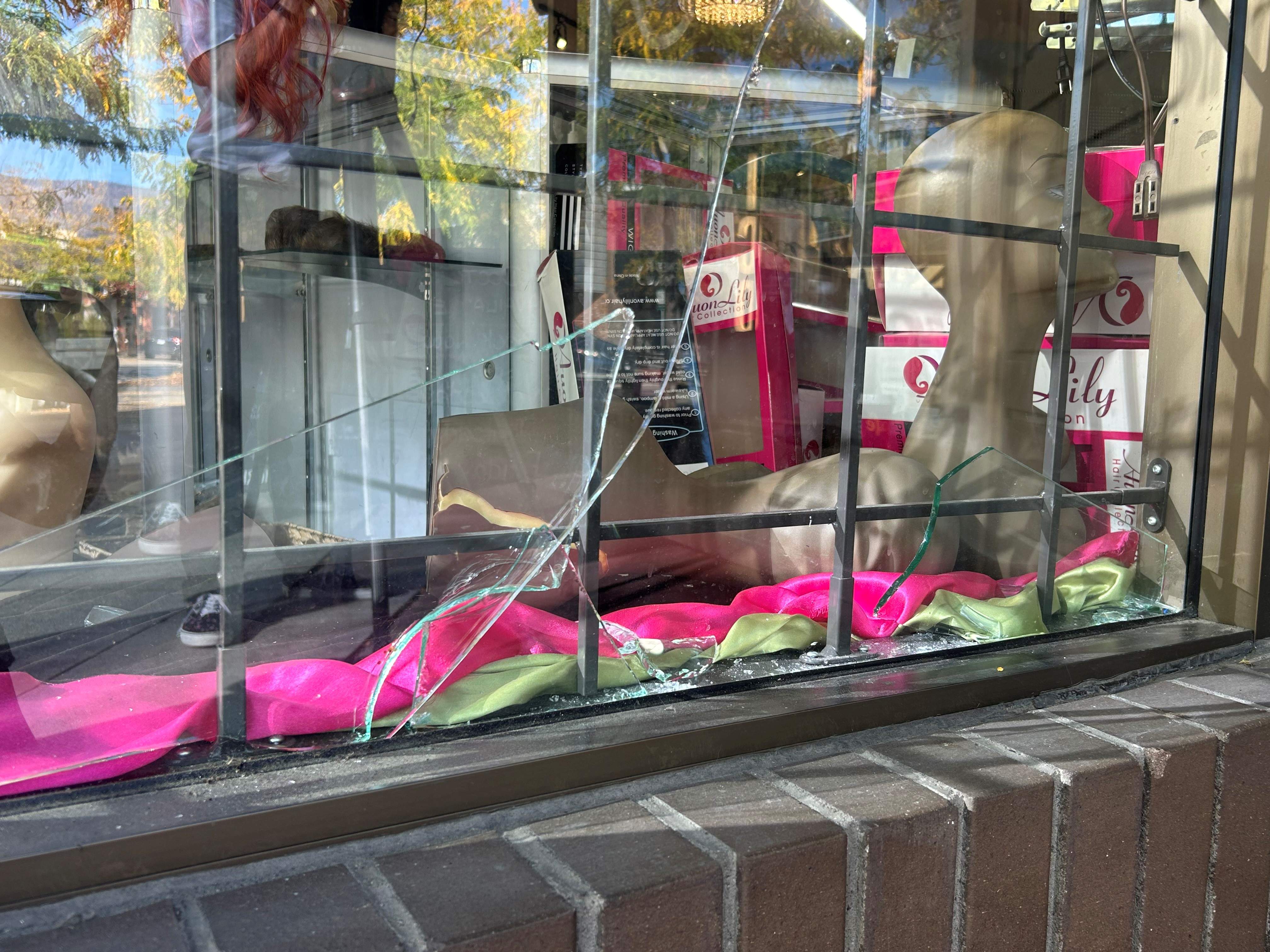
The sound is never just glass breaking.
Ask anyone who has ever opened a storefront door at seven in the morning to find a jagged hole where their front window used to be. It sounds like a sharp, sudden gasp. It sounds like the quiet, systematic deflation of years of saved capital, early mornings, and quiet sacrifices. It sounds like the moment a dream stops being an enterprise and turns into an insurance claim.
In Kelowna, that sound has become entirely too common.
In a city known for its sun-drenched orchards, pristine lakefronts, and a bustling tourism sector that draws visitors from across the continent, a different kind of rhythm has taken root in the shadows. It is the steady, disheartening drumbeat of commercial break-ins. Behind every police blotter statistic and insurance deductible lies a small business owner staring at a gaping frame, wondering how much more erosion a single storefront can withstand before the foundation gives way entirely.
Consider a hypothetical shopkeeper we will call Elena. For eight years, Elena has run a specialty boutique downtown. Her shop smells of old paper, hand-poured beeswax candles, and the faint, comforting scent of roasted coffee beans from the cafe next door. She knows her regulars by name, knows which children in the neighborhood have outgrown their winter boots, and knows precisely how many hours of bookkeeping it takes to scrape together a modest profit margin in a fluctuating economy.
Then comes Tuesday morning.
The front door is a spiderweb of safety glass. The cash drawer, left intentionally empty and open to prove there was nothing to steal, has been ripped from its track anyway. A window pane costs eight hundred dollars to replace. The shattered deadbolt is another two hundred. The lost morning of trade—the missed foot traffic from tourists strolling down the avenue—is incalculable.
Multiply Elena’s Tuesday by dozens of similar mornings across the Okanagan Valley, and you begin to see the outline of a crisis that municipal budgets and automated security cameras are failing to capture.
Business owners are no longer just merchants. They are amateur forensic investigators, overnight security guards, and reluctant accountants calculating the exact threshold where rising property crime outpaces the joy of creation. When local entrepreneurs step forward to demand action, they are not simply whining about property damage. They are sounding an alarm for the soul of the commercial district.
To understand why this matters, we have to look past the immediate cost of stolen inventory or shattered windowpanes. Security experts refer to the cumulative psychological toll as the broken windows effect writ large, but for a small business owner, it is much simpler. It is exhaustion.
When you spend your entire day managing supply chains, payroll, and customer service, only to spend your night checking your phone’s security app every forty minutes, a quiet erosion begins. You stop reinvesting. You delay hiring that extra part-time clerk. You think about moving your operations online, or worse, shutting the doors for good. And when local shops close, the street changes. The lights go out earlier. The foot traffic thins. The vibrant pulse of the urban core begins to slow down.
Local business owners have been vocal, calling for a radical shift in how commercial districts are policed, supported, and protected. But the friction between public safety resources and private property protection often leaves merchants stranded in a frustrating gray zone. Traditional law enforcement response times, stretched thin across sprawling municipal jurisdictions, mean that officers often arrive hours after an incident, leaving owners with little more than a case number for their insurance provider—an insurance provider that may well raise their rates or drop their coverage entirely after a second claim.
Fixing this requires moving past reactive measures. Surveillance cameras record the crime in crisp high definition, but they rarely prevent it. Brightly flashing alarm systems make a lot of noise, but seasoned thieves know they have minutes—precious, uninterrupted minutes—to grab what they can before anyone responds.
Instead, the conversation must shift toward structural deterrence and community integration. Cities that have successfully turned the tide on commercial burglaries have looked at comprehensive urban design, improved street lighting, targeted downtown patrols that build real relationships with merchants, and streamlined municipal support for rapid glass repair and security upgrades. It requires treating small businesses not as isolated targets, but as the critical infrastructure of civic health.
If we let the current pattern continue, the casualties will not just be cash registers and window frames. We will lose the eccentric, independent character that gives cities like Kelowna their unique flavor. Chain stores with corporate loss-prevention budgets can absorb the cost of crime waves; local artisans, independent booksellers, family-run cafes, and boutique owners cannot.
The glass can always be swept up. The wood can be patched, and a fresh coat of paint can cover the marks of a crowbar. But the confidence of the people who build our local economy—the people who risk everything to turn a blank commercial space into a gathering place for the community—takes much longer to repair.
The sun still rises over the lake. The orchards still bloom in the spring. But down on the street, behind the newly glazed storefronts, the lock clicks just a little bit louder than it used to.