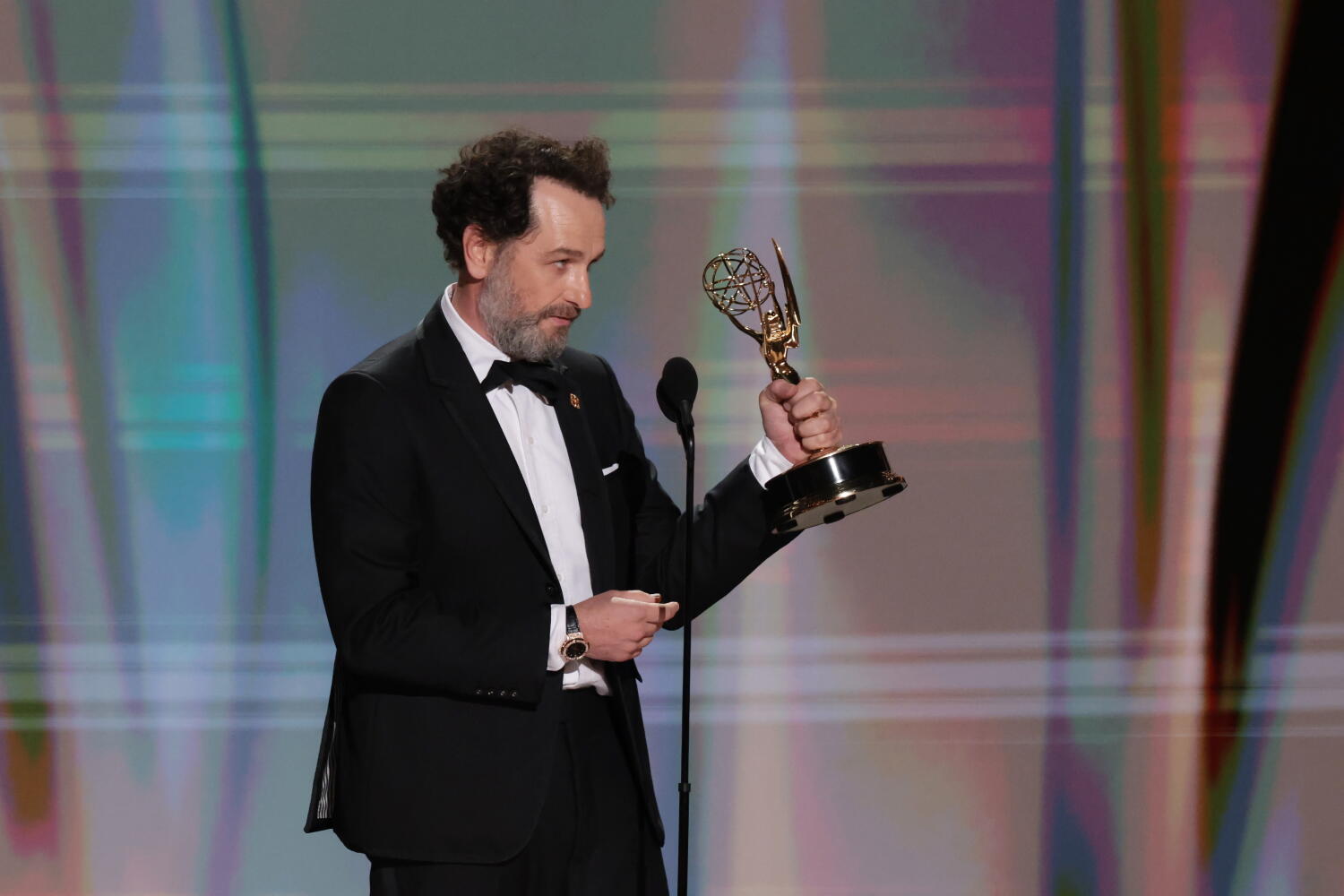
The television industry operates on a strict depreciation curve for acting talent, particularly for women over seventy. When Sally Field secured the Primetime Emmy Award for Outstanding Lead Actress in a Limited or Anthology Series or Movie for her performance in Netflix's Remarkably Bright Creatures, she did not merely claim her fourth statuette; she systematically inverted the systemic demographic discounting that governs prestige casting. At seventy-nine years old, superseding Jessica Tandy’s historical benchmark, Field’s victory exposes structural shifts in how streaming platforms monetize older demographics and how IP adaptation strategies manage high-risk narrative components like a CGI-and-live-action giant Pacific octopus.
To understand the mechanics of this achievement, one must examine the capital allocation behind the project. Netflix’s adaptation of Shelby Van Pelt’s novel, directed by Olivia Newman, presented an operational bottleneck: translating an internal, solitary psychological narrative anchored by an observational cephalopod into a viable feature-length streaming asset. Traditional studio financing models historically undervalue character-driven dramas featuring geriatric protagonists due to projected ROI ceilings in global theatrical windows. By routing the property through a direct-to-streaming model via Anonymous Content and Night Owl Stories, the production bypassed box-office velocity metrics, relying instead on subscriber retention and completion rates among older, highly engaged cohorts. If you enjoyed this post, you might want to read: this related article.
The performance architecture of Field’s portrayal of Tova Sullivan relies on deliberate emotional economy. In prestige television, actors often over-index on overt emotional signaling to capture awards consideration. Field inverted this equation. By anchoring the character's exterior in physical rigidity and suppressed grief, she created a contrast engine against her scene partner, a cephalopod narrator voiced by Alfred Molina. This dynamic restructured the traditional dramatic foil. Instead of playing opposite another human actor whose reactions can be anticipated through conventional blocking, Field sustained interiority while interacting with a hybrid physical-CGI anchor, a technical constraint that elevates the difficulty coefficient of the performance.
The competitive landscape of the 2026 limited series category offered a clear study in contrasting talent strategies. Field competed against an array of established and rising talent, including Carey Mulligan (Beef), Sarah Snook (All Her Fault), Claire Danes (The Beast in Me), and Sarah Pidgeon (Love Story). While several of these contenders anchored high-velocity thrillers or contemporary relationship dramas, Field's vehicle operated on a low-stimulus, high-resonance frequency. The Academy’s recognition of a quiet, grief-processing protagonist signals a temporary correction in voter fatigue toward hyper-serialized, trauma-heavy narratives. For another perspective on this story, refer to the latest coverage from Rolling Stone.
This victory also alters the risk profile for intellectual property acquisitions in the streaming ecosystem. For years, executive suites treated senior-led narratives as niche festival fodder rather than Emmy-winning tentpoles. When Remarkably Bright Creatures also secured the Emmy for Outstanding Movie, it proved that hybrid production structures—merging established literary IP with legacy talent holding high historical Q-scores—yield institutional validation that purely algorithm-driven greenlights fail to produce.
The strategic takeaway for content producers is stark. The market for prestige streaming is saturated with high-budget genre spectacles that suffer from diminishing marginal returns on viewer attention. By investing in precision-targeted adaptations that leverage the unmitigated technical control of veteran performers, platforms can capture critical prestige while activating underserved, high-retention audience segments. Field's record-setting night is an anomaly only within the outdated parameters of traditional Hollywood accounting; within a mature streaming economy, it serves as the blueprint for high-margin, low-noise critical dominance.