Brazilian Vice-President Geraldo Alckmin has projected that Brazil could become the world’s largest food exporter by the end of 2026, potentially overtaking the United States depending on export momentum and how global food shipments are counted. On paper, the math looks within reach. In reality, crowning Brazil number one by year-end depends heavily on accounting definitions, commodity price swings, and whether truck-choked highways can keep pace with record harvests.
I have watched global agricultural trade rankings get twisted for thirty years by people who confuse gross tonnage with net value. One trade group counts bulk oilseeds and raw fibers as food. Another restricts the tally to edible goods and processed proteins. When politicians wave a year-end finish line at the press corps, the first thing a seasoned analyst asks is not whether the crops are in the ground. It is which spreadsheet they are reading.
How The Crown Gets Counted
Numbers never speak for themselves in agricultural trade. A single metric ton of soybeans can be logged as an oilseed feedstock in one dataset and folded into a broad food-and-agriculture basket in another, shifting where Brazil and the United States sit relative to each other.
Consider a hypothetical example to see how methodology distorts the scoreboard. Suppose Country A ships 50 million metric tons of raw oilseeds and bulk grains at modest unit prices, while Country B ships half that tonnage in higher-margin packaged foods, specialty ingredients, and processed meats. Depending on whether a statistical agency tallies total agricultural exports, edible food products alone, or specific HS tariff chapters, the top spot can flip without a single cargo ship changing course.
In Brazil’s actual trade ledger, the sheer scale of primary commodities is undeniable. Agribusiness exports hit $169.2 billion in 2025, accounting for 48.5% of the country’s total merchandise exports, led by the soybean complex at roughly $52.9 billion, followed by beef around $18 billion and coffee near $16 billion. Between January and July 2026, the soybean complex generated another $42.1 billion, representing 40.7% of agribusiness foreign sales. Yet shipment value does not move in a straight line with volume. Coffee revenue surged in 2025 even as physical bag volumes dropped, while sugar export values softened in 2025 and slipped again early in 2026 despite Brazil’s core position in global sweeteners.
| Export Pillar | Market Position | Key Vulnerability |
|---|---|---|
| Soybean Complex | Anchor of Brazilian agribusiness revenue and bulk volume | Heavy exposure to global price cycles and buyer concentration in Asia |
| Beef, Poultry & Pork | Global protein powerhouse supplying over 150 countries | Sanitary protocols, plant approvals, and cold chain compliance |
| Coffee & Sugar | High-profile tropical staples with major export footprints | Price volatility and output swings unrelated to shipment tonnage |
| Containerized Foods | Growing share in fruits, processed items, and specialized goods | Port congestion, reefers, and shifting bilateral demand |
The Agronomic Engine Behind The Boom
Tropics do not sleep. Brazilian farmers routinely squeeze multiple harvests out of the same land across a season, turning sunlight, rainfall, and modern agronomy into a volume machine that temperate exporters struggle to match on pure scale.
Double-cropping soybeans and corn has turned Brazil into a juggernaut of feed and oilseed supply. Cheap domestic feed inputs feed into poultry, pork, and cattle operations that ship animal proteins to more than 150 countries. Brazil holds roughly 38% of global poultry trade, supplies specialized halal and market-tailored cuts, and has adjusted to shifting global demand—such as the Philippines overtaking China as the top buyer of Brazilian pork amid swine disease pressures and herd rebuilding dynamics.
Diplomacy has been working overtime alongside the planters. Officials have pushed market-access openings across Asia, the Middle East, and Africa, securing approvals ranging from processed eggs in Singapore and Brazil nuts in Japan to poultry categories in Egypt and industrial animal derivatives. Trade missions and sanitary negotiations do not grab headlines like a presidential speech, yet they determine which slaughterhouses and packing plants can actually clear customs at the destination port.
Concentration Risk In Plain Sight
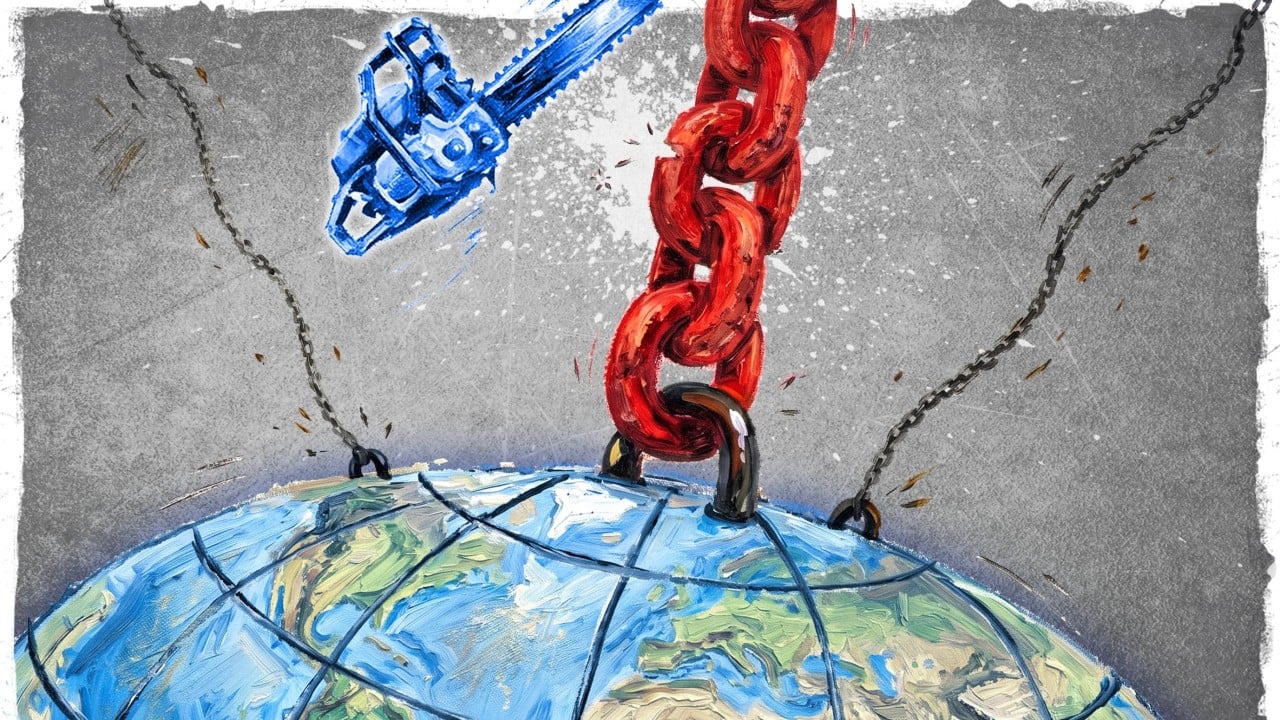
Dominance has a shadow side. When one sector and one buyer loom that large, every hiccup echoes across the entire balance sheet.
China has accounted for roughly a third of Brazilian agribusiness exports, making Beijing’s purchasing rhythm, stock-building, and domestic agricultural policy a constant source of leverage and risk. Even when volumes look massive, early 2026 data showed cumulative maritime soybean shipments from January through June sitting slightly below the prior-year pace despite heavy spring peaks. A single trading partner holding that much weight means Brazilian exporters are never truly pricing in a vacuum.
Sanitary and biological risks lurk just beneath the surface too. Livestock and poultry trade depends on tight disease containment, cold-chain discipline, and plant-by-plant certification. When an outbreak triggers temporary market closures—even if officials move fast to contain it and reopen doors—it exposes how fragile export growth can be when buyer confidence is tested.
Asphalt, Rails And The Port Bottleneck
Fields in the interior can produce miracles, but food only becomes an export when it clears a vessel’s rail. That is where Brazil’s real contest is fought.
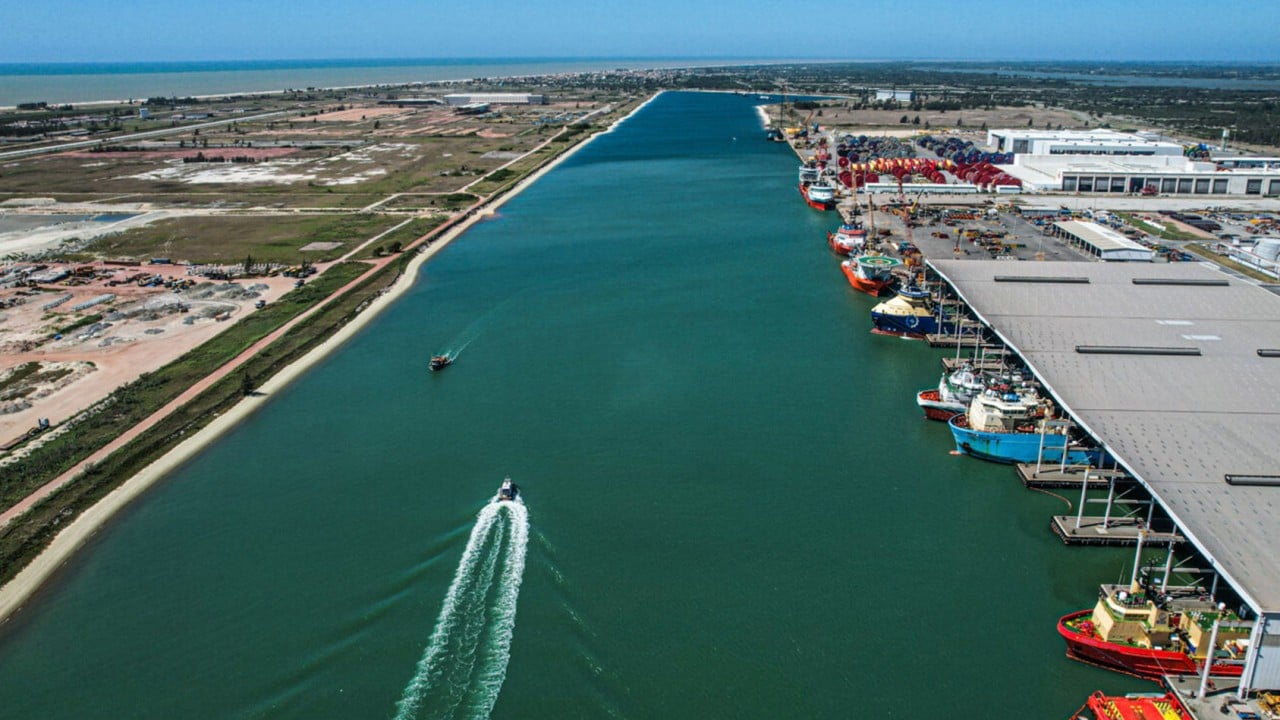
Harvests compress huge volumes into narrow windows, forcing grain and meat onto long hauls toward coastal terminals. When road freight carries too much of the burden, queues lengthen, freight rates spike, and a fraction of the margin earned in the field leaks away on asphalt before the cargo ever reaches a ship. Analysts and trade monitors have repeatedly warned that infrastructure shortfalls and logistics bottlenecks can cap agricultural expansion over the coming decade if rail, waterway, and port investments lag behind production.
Containerized shipments tell a second story alongside bulk grain. Ports like Santos and Paranaguá handle massive flows of containers and bulk goods, while shifting trade lanes change which terminals carry the load. From January through June 2026, for instance, containerized agricultural exports showed sharp divergence by destination and product—with food residues and fruit posting strong container gains while shipments to the United States dropped sharply in TEU terms. Moving bulk soy is a different engineering problem from moving chilled meat or fresh fruit in temperature-controlled containers, and Brazil has to master both at once.
What Year-End Actually Proves
Alckmin’s projection frames the race around a single calendar milestone. Markets do not care about calendar milestones nearly as much as unit economics, reliability, and margin retention.
Becoming—or claiming to be—the world’s largest food exporter by year-end is a powerful political marker for Brasília, especially when export receipts carry nearly half of total merchandise trade. Yet crossing a statistical threshold in December does not erase freight costs, exchange-rate swings, sanitary audits, or over-reliance on bulk commodities. Watch the port queues, the rail corridors, and the value-added share rather than the victory lap—because whoever moves food cheapest and most reliably over ten years owns the market, not just the year-end headline.