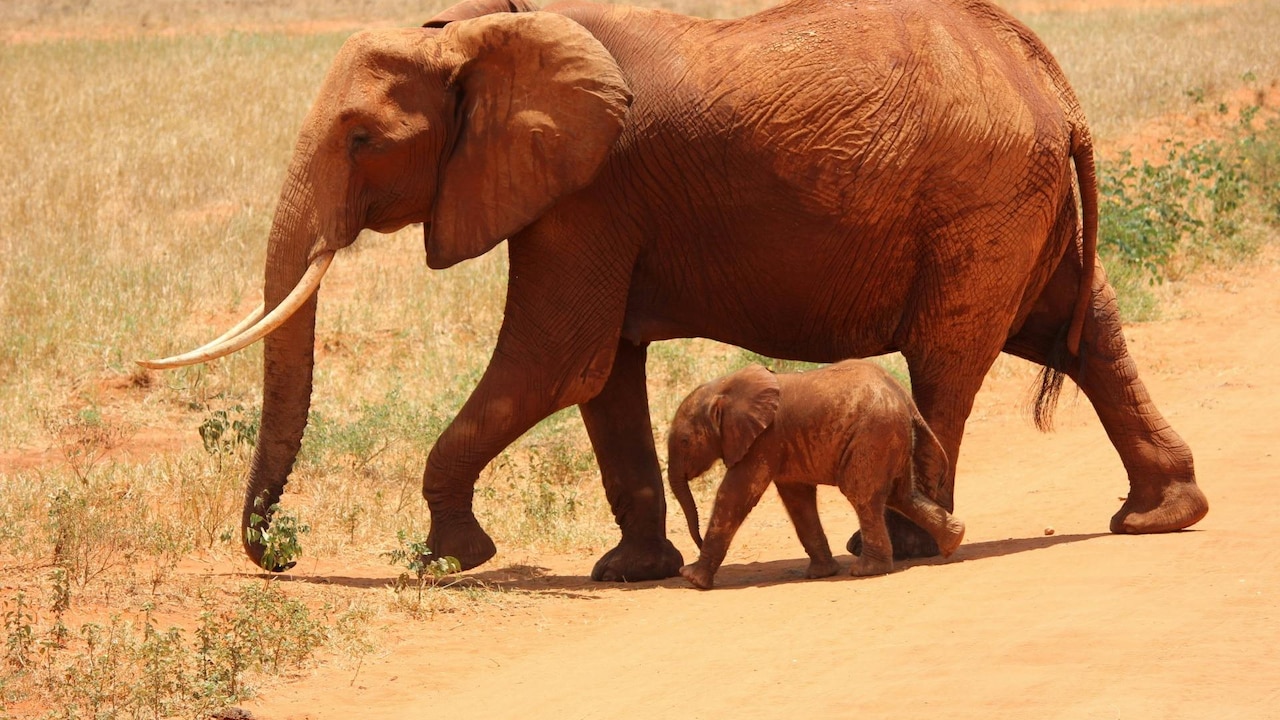
When Botswana authorized the targeted hunting of twenty-three elephants to feed rural communities during its Diamond Jubilee celebrations marking sixty years of independence, global conservation circles erupted. Headlines flashed images of a proud southern African nation turning its most iconic megafauna into holiday rations. Yet reducing this decision to simple cruelty misses the grinding economic and ecological pressure cooker that defines modern wildlife management in southern Africa.
Gaborone sits atop an environmental paradox. Home to roughly one hundred and thirty thousand savanna elephants, the country shoulders the largest pachyderm population on earth. That density strains local ecosystems, shreds subsistence crops, and forces rural villagers into daily, sometimes fatal, competition with animals that weigh six tons.
The state defends the harvest as a practical measure of resource distribution. Meat from authorized hunts is funneled to marginalized rural populations who bear the brunt of human-wildlife friction. To the government, utilizing wildlife assets to feed citizens during a national milestone aligns with a utilitarian conservation model. This framework argues that wild animals must tangibly benefit local humans, or rural communities will turn entirely against preservation efforts.
Critics see a dangerous precedent. Former president Ian Khama and international animal welfare groups argued that turning an iconic species into banquet meat normalizes lethal removal for celebratory purposes. When institutional killing becomes intertwined with national pageantry, the symbolic distance between sustainable management and casual slaughter shrinks.
The biological reality is equally tense. Field researchers note that culling or hunting mature animals disrupts complex family networks, sometimes triggering erratic behavior in younger bulls. Yet wildlife authorities face an impossible carrying-capacity ceiling. Habitats fenced in by human encroachment cannot expand, and international bans on ivory trade block alternative revenue streams that might otherwise offset the costs of coexistence.
Decisions made in capital offices ripple directly into the dusty expanses of Chobe and the Okavango Delta. As human populations grow and climate shifts squeeze water resources, the friction between conservation ideals and rural survival will only sharpen.
Botswana culls 23 elephants for Independence Day
This video explores the context behind Botswana's decision to authorize the hunting of 23 elephants for its independence celebrations and the ongoing debate over wildlife management.