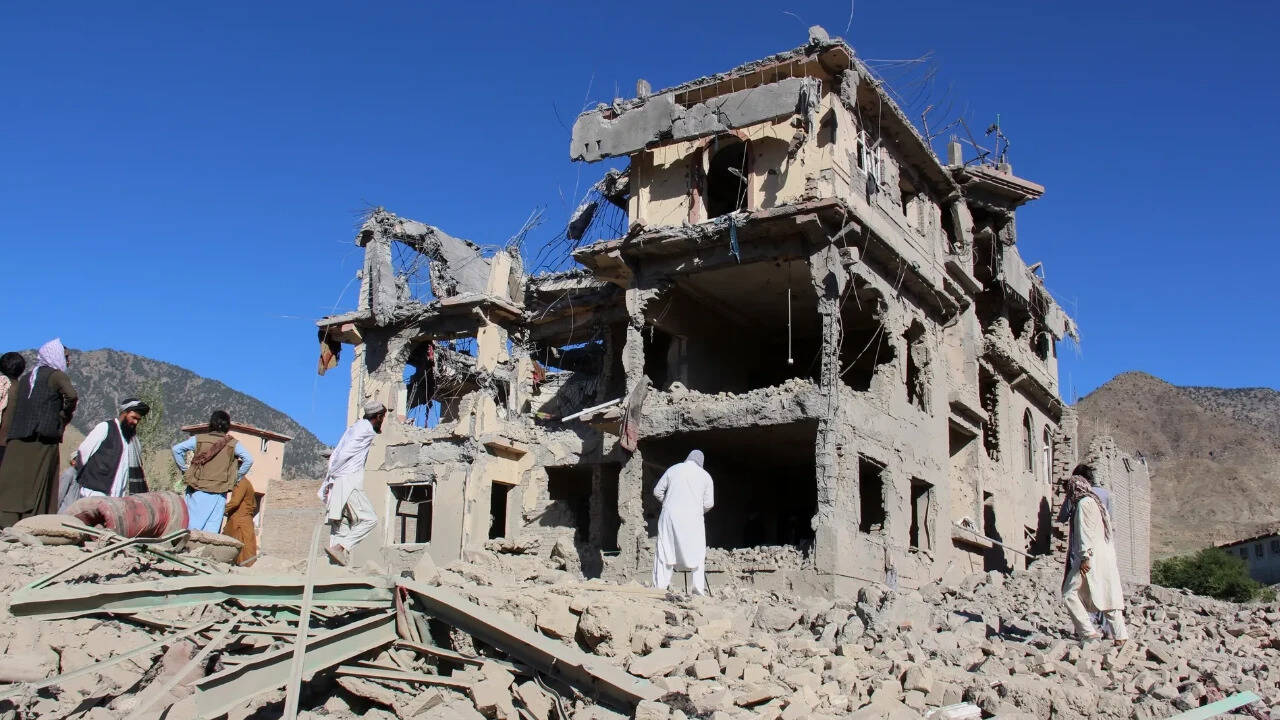
Cross-border violence between Pakistan and Afghanistan has entered a dangerous new phase, marked by targeted airstrikes, shifting alliances, and a complete breakdown of diplomatic trust. Three people were killed and several others injured in recent aerial bombardments along the contested frontier, underscoring a reality that regional analysts have warned about for years. The diplomatic buffer that once prevented open military confrontation has dissolved.
Decades of friction along the Durand Line have created a volatile security architecture. Islamabad insists that safe havens operating inside Afghan territory pose an existential threat to its national security. Kabul rejects these assertions as violations of its sovereignty, arguing that internal security challenges are being used to justify external aggression.
The Anatomy of Border Militarization
The geography of the frontier makes conventional defense nearly impossible. Rugged mountains, porous trails, and decades of shifting tribal loyalties have transformed the region into a complex theater of asymmetric warfare.
When security forces launch operations from the air, the collateral damage inevitably fuels local grievance. Families who have lived across these valleys for generations find themselves caught between competing state authorities. Every strike deepens the cycle of recruitment for militant factions operating in the shadows.
Military planners in Islamabad view aerial operations as a necessary deterrent against cross-border incursions. Yet, history demonstrates that kinetic solutions alone fail to stabilize disputed borders. Without political engagement and economic integration, military pressure simply compresses the insurgency rather than eliminating it.
Shifting Geopolitics in South Asia
The withdrawal of international forces from Kabul radically altered the strategic balance. Expectations that a new administration would secure the frontier and curb transnational militant groups have largely gone unmet. Economic collapse and international isolation inside Afghanistan have left the governing authorities with limited bandwidth to police remote mountainous regions.
Regional powers are watching the escalation with growing alarm. Trade routes face disruption, and refugee flows threaten to destabilize neighboring provinces. Diplomatic channels remain open in theory, but mutual suspicion has reduced official communication to public recriminations.
Intelligence sharing has ground to a halt. Without cooperative border management mechanisms, minor skirmishes carry the constant risk of snowballing into a wider conventional engagement.
The Human Cost of Strategic Stalemate
Behind the communiques and tactical assessments lie communities living under the constant threat of ordnance falling from the sky. Local commerce has stalled. Schools and clinics operate intermittently. The psychological toll on civilian populations living near the border zones deepens generational trauma.
Long-term stability requires acknowledging that neither state can achieve total security at the expense of the other's sovereignty. Intelligence cooperation, joint border monitoring, and economic corridors are the only viable alternatives to endless escalation. Until leadership on both sides recognizes this interdependence, the frontier will remain a flashpoint waiting for the next spark.