Pine needles do not care about geopolitical borders. They fall quietly across the sandy earth of the Baltics, indifferent to whether the tree stands on EU soil or whispers against an eastern fence where observation towers keep unblinking watch.
Walk through a forest in Latvia on an autumn morning, and the air smells of cold moisture and damp moss. It is peaceful. It is entirely deceptive.
Just a few hundred miles to the east, artillery echoes across frozen mud, and every wind that blows over the pine canopy carries a reminder of history’s heavy boot. When citizens of Riga, Daugavpils, and Liepāja walked toward the polling stations for the parliamentary election, they were not merely casting votes for tax rates or municipal budgets. They were drawing a chalk line in the dirt.
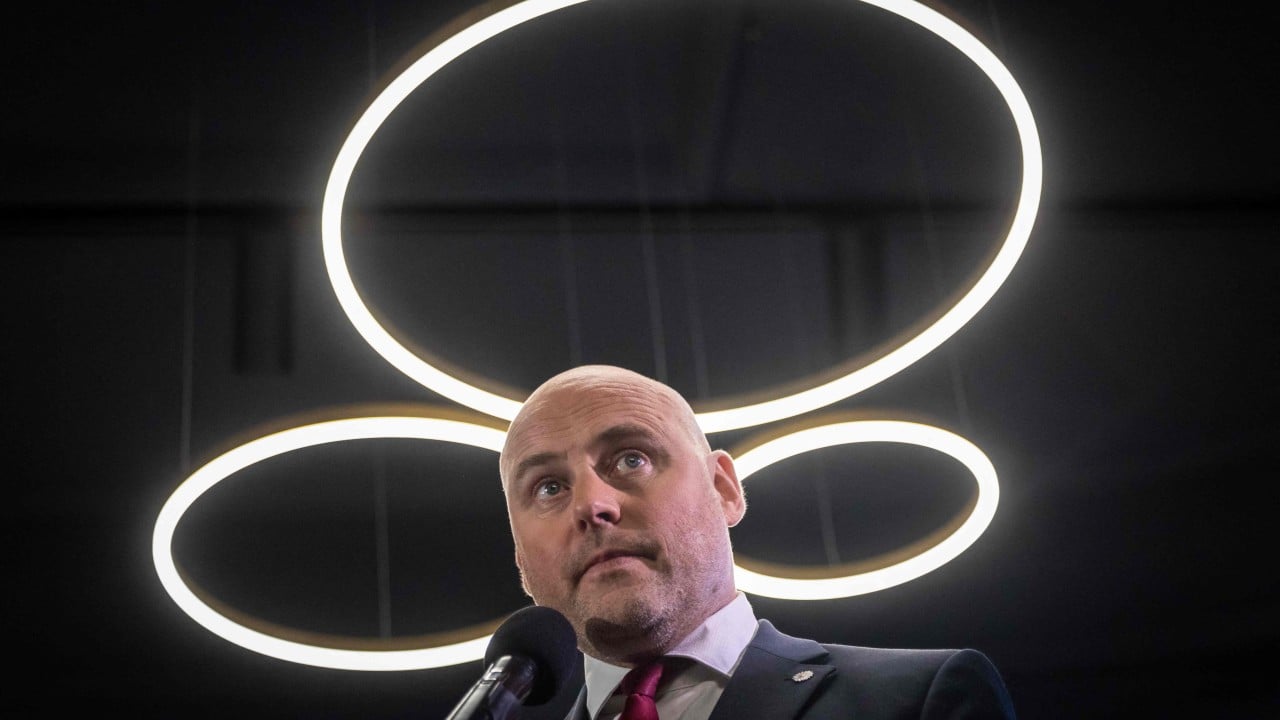
They chose Andris Kulbergs.
The victory was decisive. Surprising, even, to those who watched the exit polls tick upward with cautious disbelief. Prime Minister Kulbergs and his centrist United List party captured an unexpected mandate, securing a commanding share of public trust at roughly thirty-six percent while populist and pro-Russian alternatives trailed far behind. In a nation of less than two million people wedged tightly between the Baltic Sea and an aggressive eastern neighbor, numbers on an election night are translated into heartbeats.
Consider what it means to live in a borderland.
Megija, a twenty-one-year-old student in Riga, puts it plainly when asked what matters most. Security. Not metaphorically, not as a political talking point on a television screen, but as an immediate, physical necessity. When drone incursions and hybrid cyberattacks flicker across regional headlines, the abstract concept of national defense becomes deeply personal. It dictates how young people plan their futures, how pensioners calculate their safety, and how an entire country measures its sovereignty.
During the campaign, the shadow of Vladimir Putin’s war hung over every debate hall and kitchen table. Opposing factions attempted to fracture the electorate. Populist movements courted Latvia's substantial ethnic Russian minority, feeding on economic anxieties and historic grievances. Yet, when the ballots were tallied, the majority chose a hard line toward Moscow and an unyielding commitment to Ukraine.
Kulbergs made no apologies for his stance. He campaigned on keeping defense spending at five percent of gross domestic product—placing Latvia among the most defensively resolute members of the NATO alliance. He pledged enhanced anti-drone shields and reinforced borders. But he also spoke of realism, acknowledging that small nations must build their armor not out of hubris, but out of absolute clarity.
"We are a small country, but we are not a small nation," Kulbergs remarked, standing before supporters as the election results crystallized.
The phrase hangs heavy with historical resonance. Latvia has spent too many decades erased from maps, its culture suppressed, its borders dictated by foreign capitals. The return of open conflict to the European continent stirred memories that never truly faded. Older generations remember the songs sung during the Singing Revolution of the late eighties, when human chains stretched across the Baltic states to demand freedom from Soviet rule. They know how fragile liberty is. They know it can vanish in the span of a single midnight decree.
That memory is why the October vote carried such immense emotional gravity.
The political road ahead remains steep. Forming a stable government requires stitching together coalitions in a fragmented parliament where competing interests pull in different directions. Economic pressures persist, and social divides within the country require delicate, patient statesmanship.
Yet, the message sent from the ballot boxes of Riga was unmistakable. In an era where democratic systems face relentless pressure from external intimidation and internal polarization, Latvia stood firm.
The autumn wind continues to rustle through the pines near the eastern frontier. The observation towers remain staffed. But for now, the people have spoken through the quiet power of democracy, ensuring that their voice remains louder than the threat across the border.
Latvia's Kulbergs on track to lead pro-Ukraine coalition ...
This video provides an overview of Prime Minister Andris Kulbergs and his party's historic electoral standing in parliament following the vote.