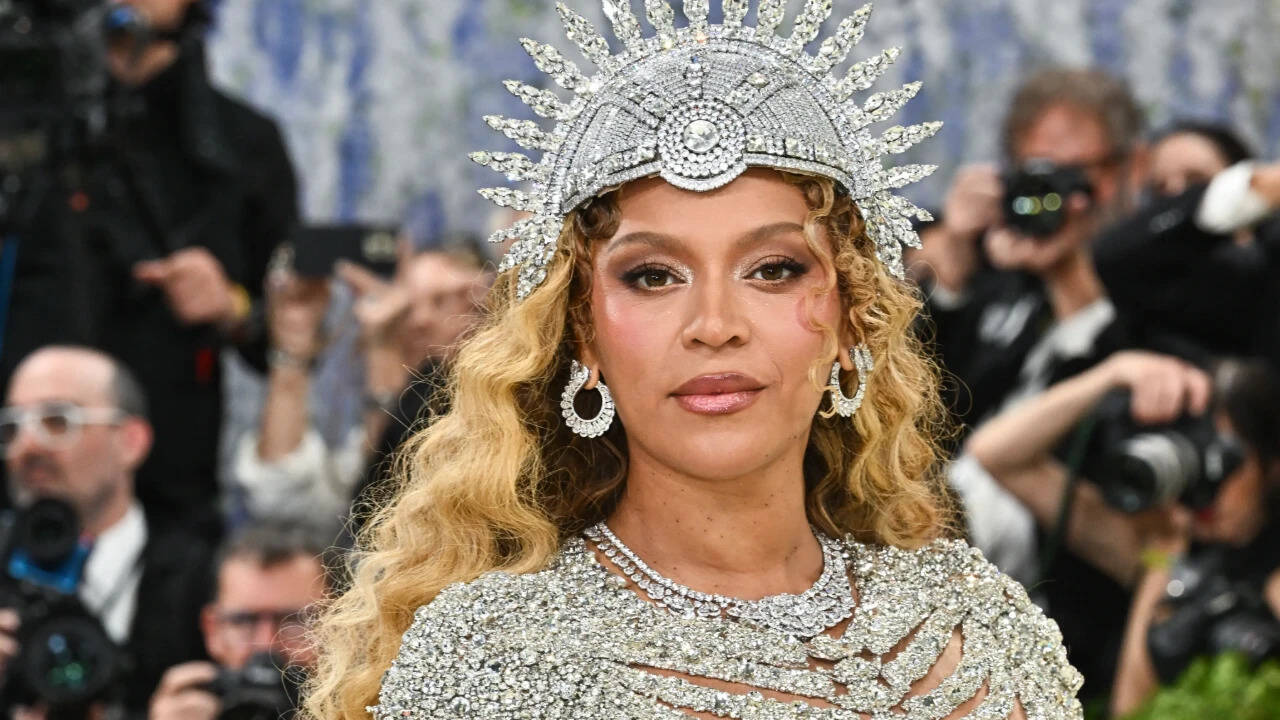
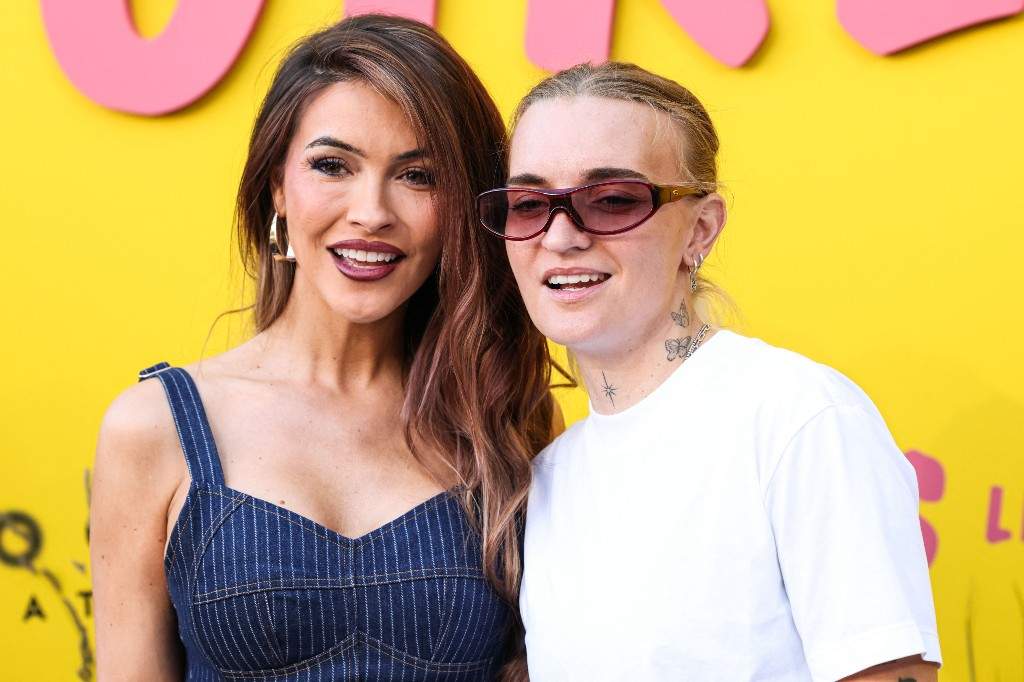
Viral clips of Nicki Minaj and Donald Trump have set social media on fire, largely because internet commentators love projecting high-stakes psychological drama onto a three-second camera pan. One tabloid headline after another claims a body language expert spotted an "ownership ritual" during their interactions or reactions to Trump's remarks.
Let's be real. Most of what passes for behavioral analysis online is pure entertainment dressed up as clinical science.
When a clip surfaces showing Nicki Minaj reacting to a bold remark from Donald Trump, the internet immediately splits into two camps. One side sees an awkward political crossover, while the other hunts for micro-expressions, territorial hand placements, or signs of dominance. Before you buy into the latest breakdown about supposed ownership rituals, you need to understand how public figures actually navigate these high-pressure moments—and where pop-psychology analysts routinely get it wrong.
Why the Internet Obsesses Over Celebrity Body Language
Social media algorithms reward certainty. A nuanced breakdown saying, "Nicki Minaj looked slightly surprised by an unexpected shout-out in a loud room," doesn't get clicks. Saying an expert detected a calculated "ownership ritual" does.
I've spent years watching how tabloid media packages nonverbal communication. The formula never changes. An outlet grabs a tight crop of a video, slows it down to half-speed, and asks a media-friendly commentator to narrate what the celebrities are "really" thinking.
Slowing down video creates an optical illusion. Normal human adjustments—blinking, shifting weight in uncomfortable shoes, glancing at a stage manager, or reacting to delayed audio in an earpiece—suddenly look intense and deliberate. When Nicki Minaj reacts to a loud or unexpected comment, her facial expressions are naturally expressive. That's part of why she's one of the most magnetic performers in hip-hop. Turning a split-second reaction into a grand psychological thesis ignores basic human physiology.
Decoding the So-Called Ownership Ritual
What do commentators actually mean when they throw around terms like "ownership ritual" in political or celebrity circles?
In traditional nonverbal communication studies, researchers like Joe Navarro and Paul Ekman have documented territorial behaviors. Things like the "power pat" on the shoulder, steering someone by the small of the back, or pulling someone inward during a handshake are classic dominance displays. Donald Trump has used these exact physical tactics for decades, both in boardrooms and on international stages. His aggressive handshake pull—famously tested against world leaders like Emmanuel Macron and Justin Trudeau—is well-documented.
Applying that exact same framework to a fleeting reaction from Nicki Minaj, however, stretches the concept past its breaking point.
An actual dominance or ownership gesture requires sustained physical control or deliberate spatial invasion. A reaction shot, a brief laugh, or a startled glance at a bold remark isn't a ritual. It's a reflex. When someone says something provocative on a microphone or in a viral soundbite, the person on the receiving end has less than a second to process the audio, calculate the PR fallout, and keep their composure. That internal calculation looks like tension on camera. Tabloid experts routinely mislabel basic PR vigilance as submission or territorial marking.
Nicki Minaj and Donald Trump Have a Complicated Public History
You can't analyze a single reaction clip in a vacuum. Context matters more than eyebrow angles.
Nicki Minaj and Donald Trump share a weirdly intertwined pop-culture timeline that stretches back well before recent viral moments. In 2018, Minaj famously addressed Trump's immigration policies on Instagram, sharing her own childhood experience coming to the United States as an undocumented immigrant from Trinidad and Tobago. She wasn't shy about criticizing family separations at the border.
Fast forward a few years, and the dynamic shifted in ways nobody predicted. During the 2021 controversy surrounding her tweets about COVID-19 vaccines, conservative commentators—and Trump-aligned media figures—suddenly praised her for questioning mainstream narratives. Minaj even tweeted about being invited to the White House, though officials later clarified it was a standard phone call offer with doctors to answer questions rather than an official visit.
Because their public relationship has swung from sharp criticism to unexpected cultural overlap, every new interaction carries heavy baggage. Whenever Trump makes a bold remark involving hip-hop, celebrity endorsements, or Minaj specifically, cameras hunt for her reaction. She knows those cameras are rolling. Her reaction isn't happening in a private living room; it's happening inside a media fishbowl where every blink becomes a meme within ten minutes.
Where Pop-Psychology Analysts Get Nonverbal Cues Wrong
If you want to spot real tension versus manufactured drama in celebrity clips, look at the baseline behavior first. Professional behavioral analysts never judge a single gesture without knowing how that person normally acts.
- Stage Presence vs. Private Behavior. Nicki Minaj uses exaggerated facial expressions, dramatic pauses, and sharp eye movements as core parts of her artistic persona. What looks like shock or discomfort in a still frame is often just her standard way of engaging with an audience or a camera lens.
- The Environment Factor. Award shows, rallies, and VIP lounges are chaotic. Loud bass, flashing lights, and people yelling from ten feet away force everyone to squint, lean in, or freeze their expression just to hear what's being said.
- The PR Freeze. When a politician makes a polarizing joke or a bold claim, celebrities often adopt a neutral, tight-lipped smile. That isn't an "ownership ritual" taking effect. It's a millionaire protecting their brand endorsements by refusing to give either political side a clean soundbite.
Honest experts admit that body language isn't mind reading. You can measure stress, surprise, or engagement, but you cannot reliably pinpoint the exact thought behind a raised eyebrow. Whenever a headline promises that an expert "exposed" a secret psychological dynamic from a grainy video clip, treat it like a horoscope. It's fun to read, kinda entertaining to debate in the comments, and almost entirely speculative.
How to Watch Viral Celebrity Clips Like a Pro
Next time a clip of Nicki Minaj, Donald Trump, or any high-profile duo trends with a dramatic behavioral breakdown attached, strip away the commentator's voiceover and watch it on mute first.
Look at the wide shot instead of the zoomed-in crop. Check what happens five seconds before the viral moment and five seconds after. Usually, the "shocking" reaction disappears the moment you see someone walking past the frame, a security guard gesturing toward an exit, or a teleprompter scrolling too fast. Pay attention to posture and foot placement rather than micro-expressions—people control their faces for cameras, while their feet usually point toward where they actually want to go. If both people are angled toward the crowd or the exit rather than each other, you're looking at a standard photo-op, not a deep psychological power play.