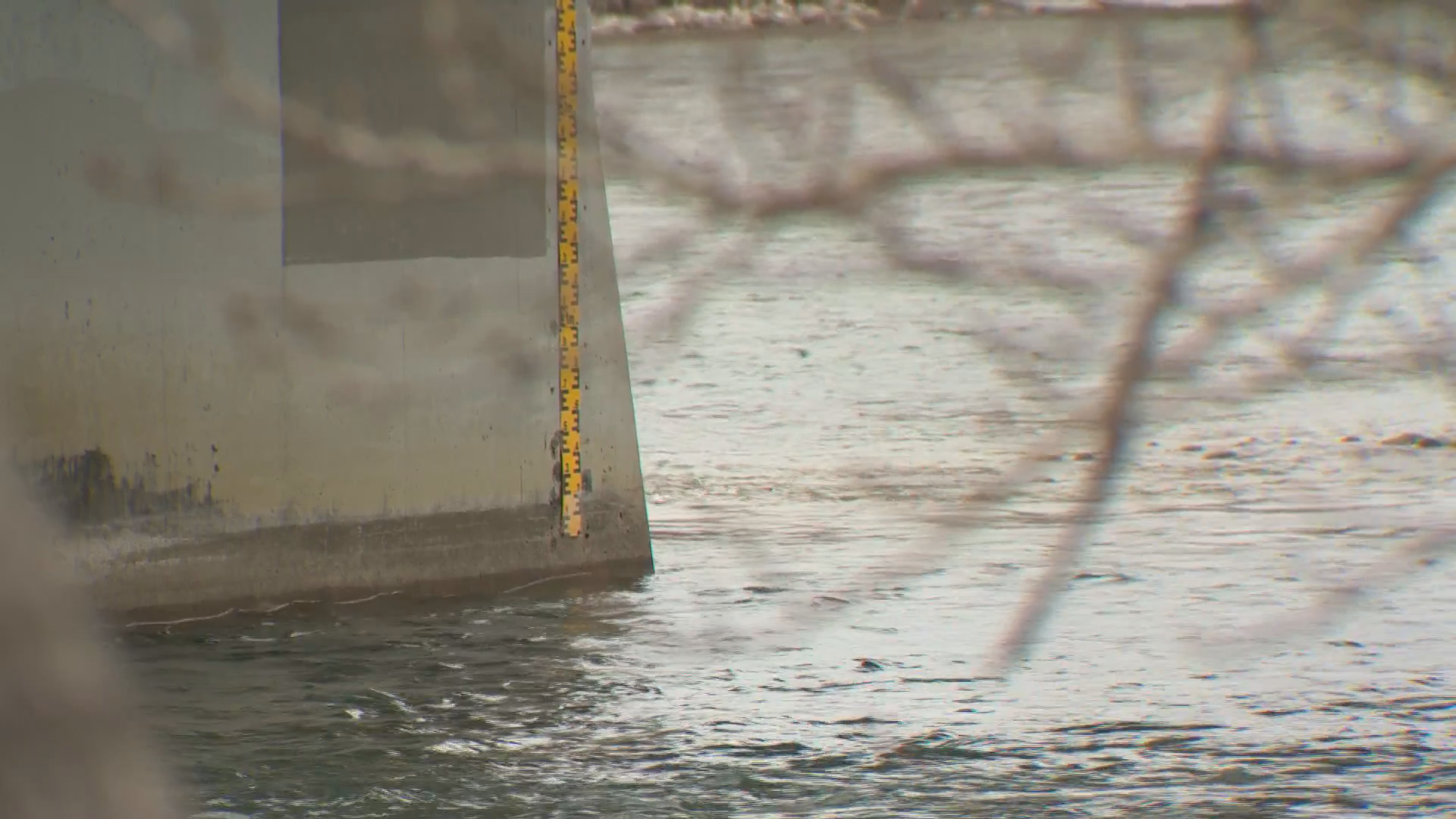
The air in the committee room was thin, flavored with the smell of industrial carpet and the low hum of cooling fans. It was a sterile place for a decision that involves the very mud and silt of the Bow River. On the surface, the agenda item was dry: "Land Use Bylaw Amendments for Flood-Prone Areas." But to anyone who has ever stood in a basement in Sunnyside watching gray water bubble up through the floor drains, those words carry the weight of a thousand ruined photo albums.
Calgary’s city council committee recently looked at a set of proposed regulations designed to restrict how—and if—we build in the areas most likely to end up underwater. They didn't pass them. They didn't reject them. They "punted" them, sending the proposal back for more work, more consultation, and more time.
Time is a luxury the river does not always grant.
Consider a hypothetical homeowner named Elias. Elias bought a charming bungalow in Bowness three years ago. He knows about the 2013 flood; everyone in Calgary does. It’s part of our collective DNA, like the Stampede or the first snowfall in September. To Elias, the flood is a ghost story told by neighbors over fences. He sees the new berms and the upstream mitigation projects and feels a sense of tectonic security.
But the regulations sitting on that committee table weren't about the ghosts of 2013. They were about the reality of 2026 and beyond.
The proposed rules would have changed the math for people like Elias. They aimed to limit the density of new builds in the flood hole—the lowest points of the valley where the water naturally wants to go. If you wanted to turn a single-family home into a four-plex, the new rules might say "no." Not because of aesthetics, and not because of parking, but because every new resident added to a flood zone is another person who needs a rescue boat when the sky turns the color of a bruised plum and stays that way for three days.
The Friction Between Growth and Gravity
The debate in that room wasn't just about safety; it was about the fundamental tension of a growing city. Calgary is hungry for housing. We are told, correctly, that we need to build up, not out. We need density to survive the economic pressures of the modern world.
Then comes the river.
The river doesn't care about housing targets. It doesn't care about property tax revenue or the "missing middle." Gravity is a harsh landlord. When the snowmelt in the Rockies hits a sustained rain event, the water follows the path of least resistance.
The city’s planning department brought forward these regulations to acknowledge that reality. They suggested that perhaps we shouldn't be incentivizing more people to move into harm's way. It seems logical. It seems safe. Yet, the committee hesitated.
Why? Because a house is never just a shelter. For many Calgarians, it is the totality of their life’s savings.
When you tell a property owner in a flood-prone area that they can no longer develop their land to its "highest and best use," you are essentially reaching into their retirement fund and taking out a handful of bills. The pushback from industry groups and some residents wasn't born of ignorance; it was born of a very real fear of devaluation. If your land is flagged by the city as "too dangerous to densify," what does that do to your mortgage? What does that do to your ability to sell?
The Invisible Stakes of a Punted Decision
By delaying the decision, the committee opted for the "quiet" route. They wanted more engagement with the building industry. They wanted to ensure that the rules wouldn't inadvertently stifle the very development the city is desperate to encourage elsewhere.
But while the bureaucrats talk, the climate shifts.
We often think of flooding as a binary event: it happens or it doesn't. We use terms like "one-in-a-hundred-year flood," which is perhaps the most misunderstood phrase in the English language. It suggests a schedule. It suggests we have ninety-nine years of safety left after the big one.
In reality, it’s about probability. It is a 1% chance every single year. It’s like playing Russian Roulette with a hundred-chambered revolver. Every year we don't update our building codes to reflect the changing hydrology of the Bow and Elbow rivers, we are effectively adding another bullet to the cylinder.
If we continue to allow densification in these zones without strict, modern regulations, we aren't just building homes. We are building future liabilities. When the water rises—and it will—it won't be the developers who are left holding the squeegee. It will be the homeowners, the taxpayers who fund the disaster relief, and the first responders who have to navigate submerged streets to get people to high ground.
The Human Cost of Hesitation
Imagine Elias again.
Under the current rules, he might see a developer offer him a premium for his lot to build a sleek new row of townhouses. He takes the money, moves to the hills, and feels he’s won. But the four families who move into those townhouses now occupy a footprint that used to hold one family. That’s four times the trauma. Four times the insurance claims. Four times the cars ruined in underground parkades that were never designed to be aquariums.
The committee’s decision to delay is a symptom of a larger struggle. We are trying to reconcile the city we want—dense, vibrant, affordable—with the geography we have.
There is a specific kind of silence that falls over a neighborhood when the power goes out during a flood watch. It’s the sound of thousands of people listening to the rain on their roofs, wondering if the sump pump will hold. It’s a visceral, throat-tightening anxiety.
The people sitting in the committee room aren't monsters. They are people trying to balance the immediate, loud demands of the economy against the distant, muffled warnings of the environment. It is easier to listen to a developer in a suit than it is to listen to a river that hasn't overflowed its banks in over a decade. Memory fades. The mud dries. The fear evaporates.
A City Defined by Water
Calgary exists because of the confluence. The rivers are our greatest asset, our most beautiful parks, and our primary source of identity. But we have a habit of forgetting that the rivers were here first.
The regulations were intended to be a handshake between the city and the water—an admission that there are places where the human ambition to build must take a backseat to the physical reality of the landscape. By punting the proposal, the committee hasn't solved the problem; they've just left the door cracked open for the water to eventually push through.
The debate will return. The "consultations" will happen. New maps will be drawn, and more technical reports will be filed in thick binders.
But out in the real world, the snow is still piling up in the mountains. The spring rains are still inevitable. The river is moving, patient and indifferent to the slow pace of municipal governance.
We can't legislate the weather. We can only legislate how many of us are standing in its path when it arrives. For now, the city has decided to wait. We can only hope the river is feeling equally patient.
The blue line on the living room wall from 2013 isn't just a mark of where the water was. It’s a warning of where it wants to be again. Every day we spend "consulting" is a day we spend ignoring the mark.