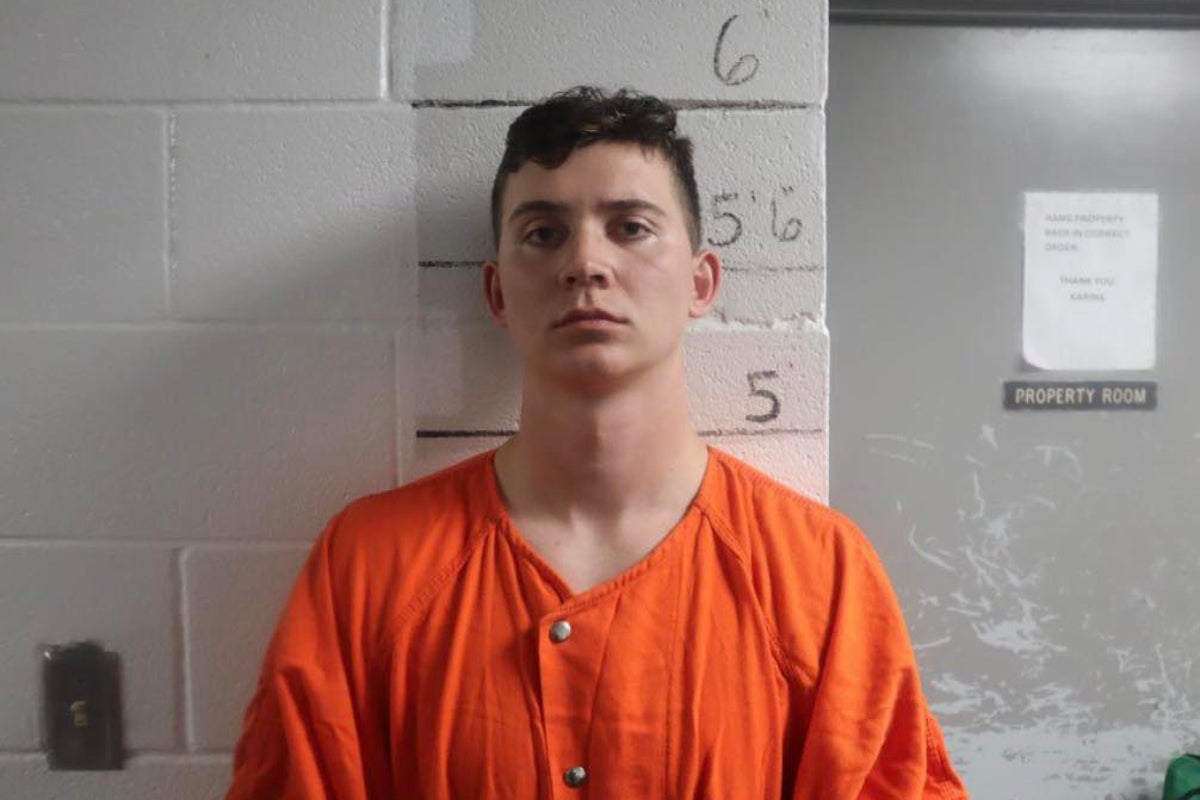
What was meant to be a final weekend of freedom ended in a morgue and a jail cell. Law enforcement officials in Mississippi recently responded to a nightmare scenario that has become a recurring theme for short-term rental neighbors across the country. A bachelor party, fueled by the toxic mix of high-stakes celebration and easy access to firearms, spiraled into a fatal shooting. The groom, rather than preparing for an altar, now faces charges for the death of his close friend. This tragedy isn't just a freak accident. It is the predictable outcome of a rental industry that provides the setting for high-intensity gatherings without the oversight of traditional hospitality.
The Night the Celebration Died
The scene at the rental property was one of total chaos. According to police reports, the group of men had traveled to the location to celebrate an upcoming wedding, a ritual that often pushes boundaries. But boundaries gave way to a violent rupture. Outside the house—a structure designed for family vacations but repurposed for a weekend of excess—the groom allegedly opened fire.
His friend fell on the pavement. The weapon used was not a hunting rifle or a tool of sport, but a handgun carried into a space where judgment was already compromised by the environment of a bachelor party. When the police arrived, the festive decorations and half-packed bags served as a grim backdrop to a crime scene.
This incident highlights a specific, lethal intersection of modern social life. We have the rise of the "destination party," the ubiquity of private firearms, and a short-term rental market that functions as a decentralized, unmonitored hotel system. When these three elements collide, the results are increasingly measured in body counts.
The Myth of the Controlled Environment
The short-term rental industry often markets itself as a way to "live like a local." They sell the dream of a quiet neighborhood experience. However, the reality for bachelor parties is the exact opposite. These groups aren't looking to integrate into a neighborhood; they are looking for a fortress where they can behave in ways that a hotel bar or a public venue would never permit.
In a traditional hotel, there is a layer of professional friction. There are security guards. There are cameras in the hallways. There is a front desk clerk who can spot a guest who has had too much to drink or who is carrying a visible weapon. Most importantly, there is the constant presence of "other people." This social pressure acts as a natural deterrent to extreme behavior.
A rental house removes that friction. It creates a vacuum. Inside the walls of a suburban Airbnb, a group of men can create their own reality. There is no one to tell them to turn the music down, and more importantly, no one to intervene when an argument starts to simmer. The groom and his victim were in a bubble of their own making, fueled by the false sense of privacy that a rental provides.
The Firearm Factor in Modern Rites of Passage
We cannot discuss this case without addressing the presence of the gun. The investigative reality of many recent "party house" shootings reveals a disturbing trend. Young men are increasingly bringing firearms to celebratory events as a matter of course. It has become a piece of EDC—everyday carry—even when the itinerary involves heavy drinking and emotional volatility.
The groom in this case didn't just snap. He had the means to escalate a verbal disagreement into a lethal encounter within seconds. In the context of a bachelor party, where "alpha" dynamics are often pushed to the forefront, the presence of a firearm is like throwing gasoline on a bonfire. The "friendship" that the party was supposed to celebrate offered no protection once the weapon was drawn.
Why Platforms Cannot Solve the Problem
Companies like Airbnb and Vrbo have implemented "party bans" and "high-risk reservation" filters. They use algorithms to flag a one-night stay by a local guest or a large group booking during a holiday weekend. But these are digital Band-Aids on a structural wound.
An algorithm cannot predict a personality shift. It cannot know if a groom is prone to rage or if a group of friends has a history of violent disagreements. The platforms are built on a model of passive oversight. They collect the fee and provide the insurance, but they are not present on the ground.
The burden of policing these properties falls on two groups who are ill-equipped to handle it:
- The Neighbors: Families who suddenly find themselves living next to a 24-hour nightclub.
- Local Police: Who are forced to respond to "noise complaints" that frequently turn into "shots fired" calls.
In the Mississippi case, the rental was simply the stage. But the stage was chosen specifically because it lacked the "eyes on" security of a commercial establishment. The groom chose a place where he felt he was the master of his domain, and that sense of total control ended in a homicide.
The Financial Incentives of Negligence
Property owners are often complicit in this dynamic, even if they aren't pulling the trigger. The "party house" is a lucrative business model. Owners can charge three to four times the standard nightly rate for a house that can sleep ten or twelve adults. They often look the other way regarding the nature of the booking because the profit margin is too high to ignore.
This creates a moral hazard. The owner gets the money, the platform gets the commission, and the community gets the risk. When a shooting occurs, the owner claims they had no idea a party was happening. They point to the "no parties" rule in their house description as if a few lines of text could stop a bullet.
A Broken System of Accountability
The legal aftermath of these incidents is usually focused on the shooter. The groom will face the justice system, as he should. But the broader system remains untouched. We rarely see the property owners held liable for creating a public nuisance that led to a death. We rarely see the platforms face meaningful fines that would force them to change their business model.
To fix this, we have to move past the idea that a rental house is just a house. It is a commercial entity. If a bar served a patron until they were incoherent and then watched them shoot someone in the parking lot, that bar would lose its license and face a massive civil suit. Rental properties currently enjoy a level of protection that defies logic.
The Liability Gap
Right now, the legal system treats a shooting at a rental like a shooting at a private home. This is a mistake. A property that is rented out 300 days a year to strangers is a business. Until we regulate it as such—requiring on-site security for large groups or professional-grade monitoring—these "celebratory" killings will continue.
The investigative trail always leads back to the same point. The groom and his friend were in a high-pressure social situation in a low-supervision environment. The result was an explosion of violence that shattered multiple lives.
The Groom’s New Reality
The wedding is off. The friend is gone. The house is a crime scene. The groom is now an inmate. This is the "brutal truth" of the modern bachelor party culture when it is stripped of its glamour and its privacy. We are seeing a generation of men who believe that a weekend of excess requires a private arena where the rules of society don't apply.
The Mississippi shooting is a warning to every city council and every neighborhood association. The "party house" isn't just a noise nuisance. It is a potential site for a homicide. The lack of regulation isn't "freedom"—it's a liability that is being paid for in blood.
If you are a neighbor living next to a high-turnover rental, you aren't just living next to a traveler. You are living next to an unmonitored commercial space where the next "celebration" could be the last. The groom’s story is a tragedy, but it is also a data point in a growing trend of violence that the tech platforms are desperate to ignore.
Stop looking at these incidents as isolated domestic disputes. They are the logical conclusion of an industry that prioritizes occupancy rates over human safety. The groom didn't just kill his friend; he exposed the lie that a private home can safely function as a lawless hotel.
The next time a "party house" opens on your block, don't worry about the parking. Worry about the gun in the suitcase of the man who thinks he’s king of the house for the weekend.



