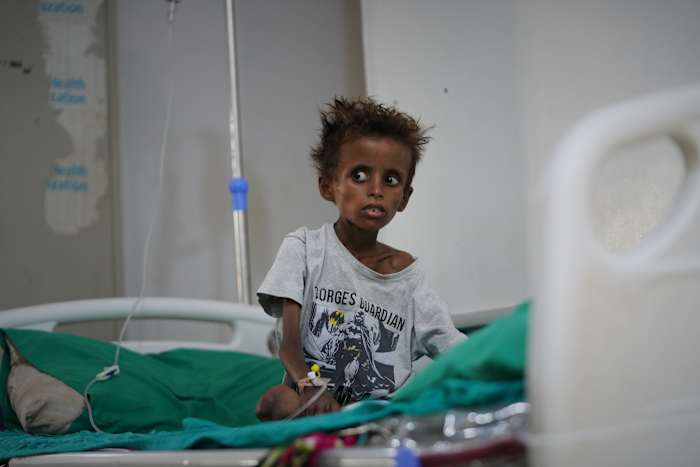
Every six months, the international press trots out the exact same disaster porn. A hospital in Sanaa or Taiz runs out of diesel, oxygen tanks hit zero, and a headline flashes across global feeds blaming the conflict for an overwhelming healthcare crisis. The analysis stops there. The lazy consensus writes itself: war breaks hospitals, stop the war, hospitals heal.
It is a clean narrative. It is also dangerously wrong.
Blaming the active combat for the current state of Yemeni medical infrastructure is a comforting fiction. It lets international donors off the hook for decades of systemic mismanagement, structural corruption, and the catastrophic implementation of foreign aid models that treat symptoms while killing the host. I have spent years tracking humanitarian supply chains and state budgets across fragile states, and the truth is far uglier than a stray airstrike. The hospitals were structurally hollowed out long before the first shell dropped.
The Myth of Direct Causation
Let us look at the data the mainstream outlets conveniently omit. When a regional medical center in Yemen goes dark, reporters immediately point to blockades and kinetic warfare. Those are real factors, yes. But they mask the deeper rot.
Decades before the current escalation, Yemen's public health budget was a slush fund for political patronage. Centralized procurement meant that medicines purchased in Sanaa sat in warehouses until they expired, while rural clinics received zero percent of their allocated drug supplies. The system was designed to leak resources at every administrative turn.
When international NGOs rushed in with hundreds of millions of dollars in emergency funding, they did not fix this structural decay. They built a parallel economy. They created high-incentive NGO clinics that poached the best doctors from the public sector by paying in hard currency. They drained the state hospitals of their remaining human capital, then threw their hands up in shock when the public system flatlined. You do not save a patient by stealing their blood to transfuse a VIP.
Follow the Drug Supply Chain
People ask why Yemeni hospitals cannot secure basic antibiotics or surgical gauze. The standard answer blames import restrictions and maritime blockades.
That answer ignores the black market operating in plain sight across every major governorate.
Go to any local market in Aden or Hodeidah, and you will find shelves stocked with pharmaceutical items stamped "Not for Resale - Humanitarian Aid." These drugs were not vaporized by airstrikes. They were systematically diverted by local procurement officers, clinic directors, and cartel middlemen who realized that an ongoing crisis is the most profitable business model in the region.
The bottleneck is not just at the port; it is inside the Ministry of Public Health and Population, where bureaucratic inertia and weaponized aid distribution dictate who lives and who dies. When international agencies continue to pump cash into centralized accounts without rigorous, independent tracking down to the individual ward level, they are funding the very decay they claim to combat.
The Donor Trap
Let us address the uncomfortable truth about international philanthropy. Organizations love a crisis because a crisis generates donations. A functional, locally managed, self-sustaining healthcare economy does not make for a compelling 6:00 PM news segment.
The current aid architecture in Yemen suffers from a savior complex that actively disincentivizes local resilience. By flying in foreign medical teams and container loads of pre-packaged supplies, international bodies bypass local medical schools, domestic pharmaceutical manufacturing initiatives, and indigenous supply chains. Every time a foreign NGO sets up a tent clinic instead of repairing municipal water sanitation systems upstream, they guarantee that the hospital downstream will remain overwhelmed.
You cannot solve a systemic governance failure with airdropped bandages.
What Actually Fixes This
If we want to stop writing the same obituary for Yemen's medical sector every year, we have to abandon the charity mindset and adopt an operational audit mindset.
First, stop centralizing aid through bloated ministries that treat distribution as a political weapon. Aid must be decentralized directly to municipal councils and verified local hospital boards with strict biometric tracking of staff and inventory.
Second, reverse the brain drain by integrating local medical professionals into structured, fairly compensated domestic retention programs rather than outsourcing emergency response to rotational foreign staff who leave when the funding cycle ends.
Third, treat the black market diversion of humanitarian goods not as an unfortunate side effect of war, but as the primary threat it is. Prosecute the middlemen. Audit the logistics trails.
Until the international community stops treating Yemen as a perpetual charity case and starts demanding structural accountability, hospitals will keep failing. And the headlines will keep lying about why.