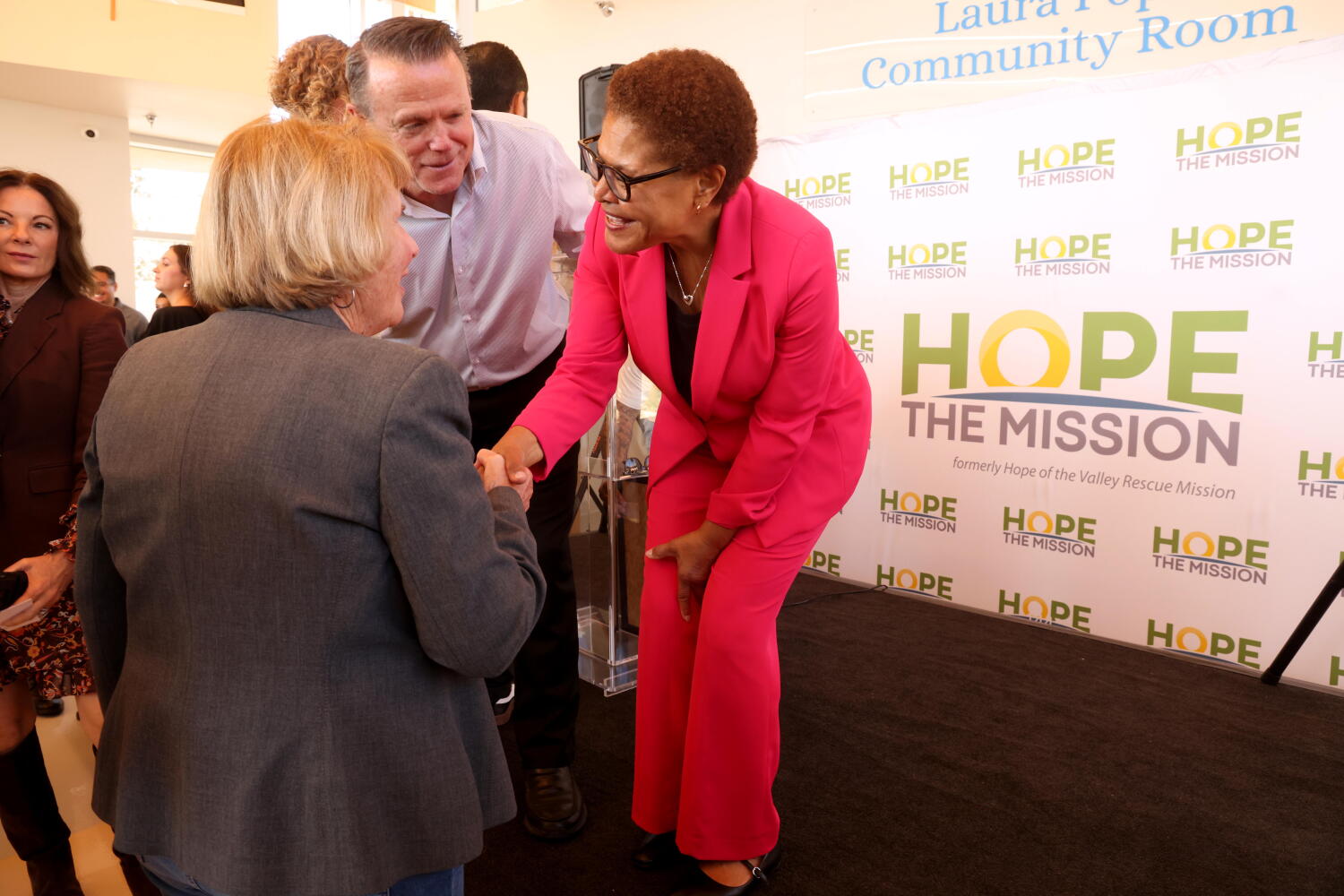
Blaming a national wave is the oldest alibi in politics. Lose a race? Blame the mood of the country. Get dragged down by an unpopular party brand? Call it a tidal shift no candidate could swim against.
When a defeated officeholder argues that voters simply demanded sweeping change on a macro level, they hand themselves a get-out-of-accountability-free card. It sounds big. It sounds tragic. It sounds inevitable. Building on this theme, you can also read: Why Trump Pulled JD Vance From the Iran Talks.
It is also a convenient distraction from local execution.
Real elections are not weather systems. A national wave can tilt the wind, sure. It can raise turnout on one side or depress enthusiasm on the other. Yet candidates still step onto the field, run real campaigns, manage real budgets, answer real questions about housing, public safety, transit, and basic competence, and either earn trust or burn it. Observers at The Guardian have provided expertise on this situation.
Looking at a defeat through the "national wave" lens misses the sharper truth: macro tides expose micro weaknesses. When a campaign already has cracks in its coalition, sluggish constituent service, or a muddled message about what actually changed during its time in power, a national headwind does not invent the damage. It strips away the cover.
The Lazy Consensus Around Macro Waves
Media coverage loves a clean storyline. A headline about voters demanding change across the board feels tidy and authoritative. One narrative explains dozens of races at once.
That convenience creates a lazy consensus among both commentators and losing campaigns. Instead of doing the unglamorous work of auditing precinct turnout, message discipline, voter fatigue, or unfulfilled promises at home, everyone reaches for the sweeping macro explanation.
Political scientists who study election outcomes—figures like Morris Fiorina on retrospective voting and Sam Popkin on how voters actually weigh information—have spent decades showing that voters do not cast ballots in a vacuum. Voters react to tangible performance, perceived competence, and whether a candidate feels connected to everyday realities. National rhetoric shapes the frame, yet local stakes often decide who crosses the finish line.
I have watched plenty of political and institutional post-mortems where leaders pointed to external forces rather than internal drift. The pattern is almost always the same. Teams spend months ignoring warning signs—sliding approval among core supporters, sluggish responses to visible problems, or overconfidence in safe coalitions—and then treat election night as a bolt from the blue.
When you treat a loss as pure weather, you learn nothing. Worse, you tell your supporters that nothing inside your operation was broken.
What "Voters Demanding Change" Actually Means
"Voters demanding change" is one of the vaguest phrases in modern political commentary. Change from what? Change toward what? Change because of a national mood, or change because people felt stuck with the status quo right outside their front door?
Voters rarely wake up with a single, uniform demand etched across an entire electorate. Different blocs want different things for different reasons. One neighborhood wants tougher enforcement and faster permitting. Another wants lower costs and clearer accountability from city hall. A third simply wants a fresh face because the incumbent started feeling permanent.
Collapsing all of those motives into a single national wave flattens real human frustration into a talking point. It lets the defeated candidate frame a loss as proof of historical momentum rather than a verdict on their own record or campaign choices.
Imagine a scenario where a big-city executive loses after four years in office during a rough national cycle. The post-election statement blames the national environment and voters' appetite for change. Yet during those four years, trash pickup slowed, housing approvals stalled, and constituent complaints piled up unanswered. Was the national environment real? Almost certainly. Did it force the executive to leave routine governance on autopilot? No.
Ask the Wrong Question, Get the Wrong Lesson
Most people asking about a high-profile election loss ask the wrong question first. They ask: Was this a national wave?
That framing turns an election into a binary trivia question. Yes or no. Tide or no tide.
A far better question is: Where did the candidate's own coalition stop believing?
Once you ask that question, the whole picture shifts. You stop hunting for mystical forces and start examining levers a campaign actually controls. Did turnout drop in neighborhoods that usually carry the candidate? Did swing voters hear a sharp, specific case for why another term mattered? Did opponents define the incumbent before the incumbent defined themselves?
Dismantling the Usual "People Also Ask" Traps
When a prominent figure loses after pointing to a broader wave, predictable questions pop up everywhere. Most of them carry a flawed premise.
- "Can any local candidate survive a strong national wave?" Usually the premise treats a national wave like an unstoppable asteroid. In reality, split-ticket voting still happens, and durable local brands still outperform their party baseline when they deliver visible results and stay grounded in voters' daily lives. Surviving a strong headwind is hard, not impossible, and pretending it is impossible excuses weak execution.
- "Does blaming a national wave help a politician rebuild?" It helps protect ego in the short run and hurts credibility in the long run. Voters can smell spin. A leader who owns what fell short—even while acknowledging tough external conditions—builds far more long-term trust than one who blames the weather for every pothole.
- "Did voters reject the candidate's core values?" Often voters are rejecting execution, fatigue, or perceived neglect rather than a whole set of values. Confusing a performance or fatigue vote with an ideological repudiation leads campaigns to overcorrect in the wrong direction.
How to Actually Diagnose a Defeat
If you want a real diagnosis instead of a press-release excuse, strip away the slogans and look at mechanics.
- Audit the baseline before blaming the tide. Compare precinct-by-precinct performance against prior cycles and down-ballot benchmarks. Find out where support actually eroded instead of guessing.
- Separate macro headwinds from self-inflicted wounds. List every external factor outside the campaign's control in one column, and every strategic, operational, or governing misstep in another. Be honest about which column cost more votes.
- Test the change message against lived experience. Voters who say they want change are often reacting to stagnation, cost pressures, or institutional friction they feel every week. A campaign that speaks in grand abstractions loses ground to one that names concrete friction and offers a clear fix.
- Watch how the loser behaves after the loss. Defeat reveals character faster than victory. Blaming external forces is easy; publishing a candid reckoning and fixing broken habits is rare.
The Honest Trade-Off of This View
Taking a hard line against the "national wave" excuse comes with its own blind spot. Go too far the other way, and you can understate real structural pressures—like national media ecosystems, partisan sorting, or broad economic anxiety—that genuinely reshape the playing field.
An unpopular national brand or a sour national mood can make a steep climb nearly vertical. Ignoring structural gravity is just as foolish as hiding behind it. The trick is holding both truths at once: external currents matter, and internal choices still decide how well a campaign navigates them.
What Comes After the Excuses Fade
Elections end, headlines move on, and the real test starts the morning after. Candidates who treat defeat as a macro phenomenon tend to repeat their blind spots under a different banner. Candidates who treat defeat as a mirror—examining what they missed, where they drifted, and what voters actually felt—give themselves a fighting chance next time.
A wave doesn't write your platform, run your ground game, or answer for your record. You do.