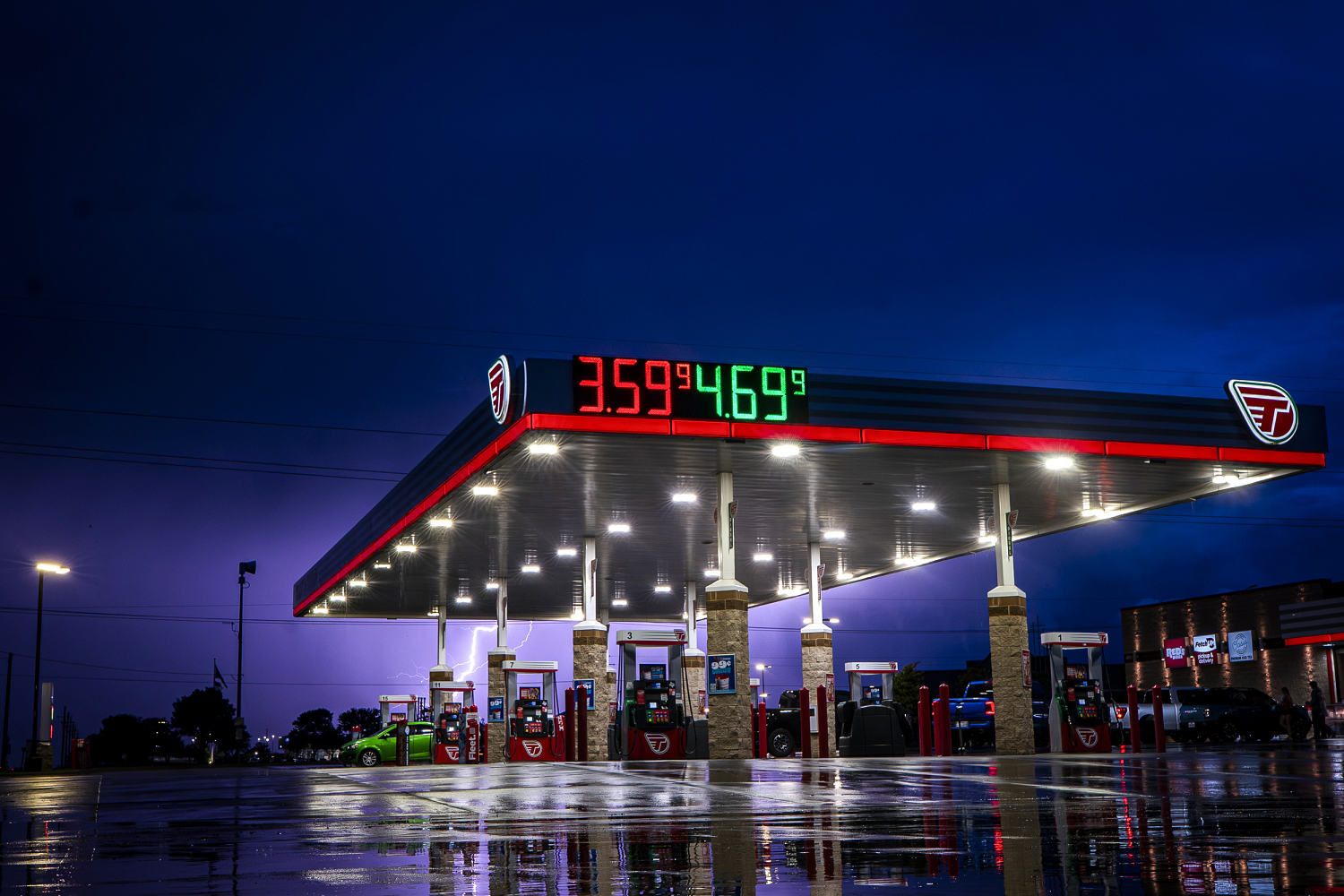
The financial press is running the same tired script this month. Mainstream commentators are looking at May inflation projections, pointing a trembling finger across the globe, and screaming that geopolitical conflict is about to wreck your portfolio. They want you to believe that regional instability is the sole driver behind the recent spike in consumer prices.
They are dead wrong.
Blaming supply-side shocks for structural inflation is the oldest trick in the central banking playbook. It is a convenient distraction designed to absolve domestic monetary policy of its sins. Yes, geopolitical tensions cause localized, temporary spikes in specific commodities. But true inflation—the systemic, compounding degradation of your purchasing power—is manufactured at home, not imported from abroad.
If you are managing capital based on the assumption that peace equals deflation, you are setting your money on fire. Let us dismantle the lazy consensus and look at the mechanics of what is actually driving the numbers.
The Velocity Myth vs. The Printing Press
The prevailing narrative insists that when a conflict threatens shipping lanes or oil fields, prices skyrocket, creating inflation. This conflates a relative price change with monetary inflation.
Milton Friedman established decades ago that inflation is always and everywhere a monetary phenomenon. If the supply of money remains constant and the price of oil doubles due to a blockade, consumers spend more on gasoline. Consequently, they have less money to spend on electronics, dining out, or flights. The price of oil goes up, but the prices of other goods fall to compensate. The aggregate price level stays relatively stable.
Systemic inflation only occurs when the money supply expands to accommodate those higher costs. I have watched corporate boards panic during energy crunches, immediately hiking their own prices because they assume the consumer can absorb it indefinitely. They fail to realize that the consumer can only absorb it because the central bank has flooded the system with liquidity.
Look at the Federal Reserve’s balance sheet over a multi-year horizon, not the daily fluctuations of Brent crude. The liquidity injected into the commercial banking system during economic interventions does not just vanish. It sits like dry tinder, waiting for a catalyst to ignite it. Geopolitical conflict is merely the match; the monetary expansion is the fuel.
Why the "Transitory" Ghost Continues to Haunt Us
We were told for a year that inflation was transitory, driven by supply chain bottlenecks. When those bottlenecks cleared and prices remained sticky, the narrative shifted to corporate greed. Now, it is war. Notice a pattern? The blame shifts to anything except the institutional debasement of the currency.
Consider the baseline math that the financial media routinely misinterprets. Year-over-year inflation metrics suffer from base effects. If May inflation looks high, look at what happened last May. A low reading twelve months ago guarantees a higher percentage jump today, regardless of current global events.
- The Reality of Price Stickiness: Once a corporation successfully passes higher input costs onto the consumer, they rarely lower them when input costs drop.
- The Margin Expansion Paradox: Companies use global headlines as a psychological shield. It is far easier to announce a 6% price hike when the evening news is screaming about war than it is during peacetime.
This means that even if a diplomatic resolution is reached tomorrow, the prices you see at the grocery store and the gas pump are not reverting to their baseline. The new plateau is permanent.
Dismantling the "People Also Ask" Illusions
If you search for inflation data right now, the algorithmic consensus spits out answers that are actively harmful to your financial health. Let us address the most egregious assumptions driving public perception.
Does a Spike in Oil Prices Cause Long-Term Inflation?
No. It causes a temporary shock to specific supply chains. For that shock to transform into sustained inflation, the central bank must engage in loose monetary policy to prevent an economic slowdown. If the central bank holds interest rates high and tightens the money supply, high oil prices actually act as a tax on consumers, causing deflation in other sectors of the economy.
Can We Hike Interest Rates to Fight Supply-Side Inflation?
This is the wrong question entirely. Central banks cannot drill more oil or clear shipping lanes by raising the federal funds rate. However, raising rates destroys demand. The brutal truth nobody wants to admit is that the central bank must induce an economic slowdown to counteract the inflation that their own previous money printing created. They are using a blunt instrument to cure a disease they manufactured.
The Hidden Cost of the Safe-Haven Trap
When global conflict hits the front page, traditional investment advisors tell you to run to safety. They tell you to load up on long-term government bonds and defensive equities.
This is an incredibly dangerous strategy in a stagflationary environment.
When inflation is driven by structural fiscal deficits, government debt is no longer a risk-free asset; it is a guaranteed return of less purchasing power. If inflation is running at 4% and your bond yields 3.5%, you are losing money every single day. Furthermore, defensive stocks like consumer staples suffer when input costs rise rapidly, because their margins get squeezed between rising commodity prices and a tapped-out consumer base.
I have seen asset managers blow millions of dollars of client capital by clinging to the old 60/40 portfolio allocation during periods of monetary instability. The playbook has changed.
The Unconventional Blueprint for Allocating Capital
Stop reading the headlines about troop movements and start looking at structural deficits. If you want to protect your wealth, you need to pivot away from assets that rely on currency stability.
- Short the Consensus: When the market prices in a massive inflation spike solely based on geopolitical news, look for overextended commodity futures. The initial panic spike is almost always overdone, presenting a prime opportunity for short-term short positions once the initial fear subsides.
- Prioritize Pricing Power Over Sector: Do not just buy "energy" or "defense." Look for companies with high gross margins and low capital expenditure requirements. A software company with a monopoly in its niche can raise prices by 10% without spending a dime more on raw materials. A manufacturing company with low margins will get crushed, even if they make components for military equipment.
- Accept the Volatility of Hard Assets: True protection comes from assets that cannot be printed by a government decree. This means physical commodities, productive real estate with fixed-rate debt, and decentralized digital assets. The downside? They are highly volatile and politically targeted. Accept the volatility as the price of admission for genuine insurance.
The consensus wants you to feel helpless in the face of global events. They want you to believe that your eroding purchasing power is an act of god or a consequence of foreign policy. It isn't. It is the predictable outcome of an overleveraged fiscal system using global chaos as a cover story. Stop buying the narrative. Position your capital for the monetary reality, not the geopolitical theater.