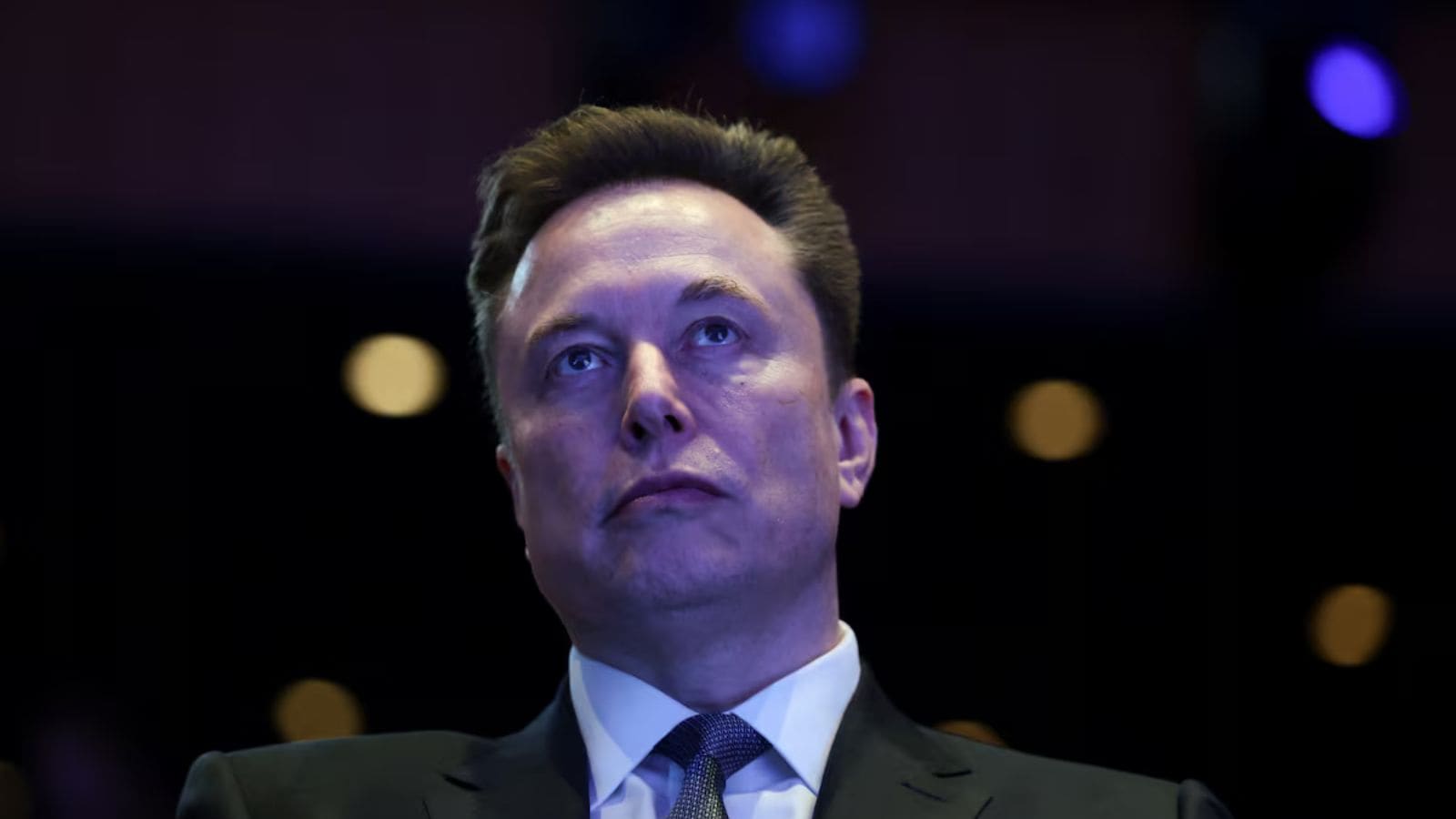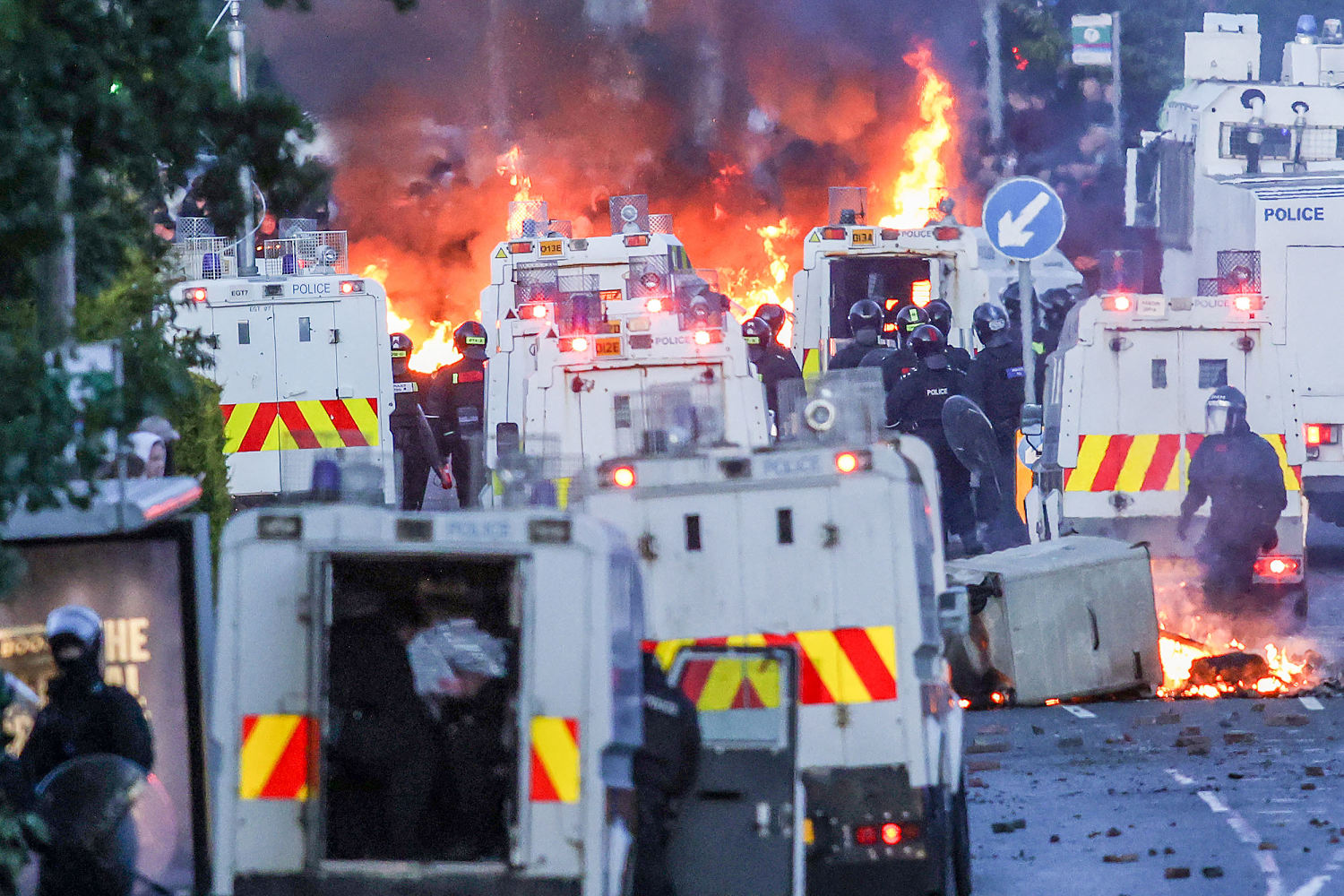
The mainstream media narrative surrounding the recent unrest in Belfast has settled into a comfortable, predictable groove. The script writes itself: far-right agitators weaponize social media, Elon Musk posts something provocative on X, and suddenly, a direct line is drawn from a billionaire's smartphone in California to a riot on the streets of Northern Ireland.
It is a neat, tidy explanation. It is also completely wrong. If you enjoyed this post, you should look at: this related article.
By focusing almost exclusively on algorithmic amplification and tech platform culpability, commentators and politicians are missing the real engine driving the chaos. Pinning the blame on a single tech mogul isn't just lazy journalism; it is a deliberate distraction strategy deployed by political establishments to evade accountability for decades of localized socioeconomic neglect.
X did not create the deep-seated tensions in Belfast. An algorithm did not build the walls that still physically divide communities. To understand why these flashpoints occur, we have to look away from Silicon Valley and stare directly at the systemic failures of governance on the ground. For another angle on this story, refer to the latest coverage from Engadget.
The Algorithmic Scapegoat Strategy
Every time social unrest bubbles over in the West, a familiar playbook emerges. Governments scramble, legacy media outlets publish frantic op-eds about "the digital wild west," and the conversation shifts entirely to content moderation.
Let us be entirely precise about what is happening here. This is a classic displacement mechanism. For decades, working-class communities in post-industrial cities like Belfast have faced severe underinvestment, crumbling public services, housing shortages, and a distinct lack of economic mobility. When these underlying pressures inevitably explode, addressing the root causes requires difficult, long-term political will and massive capital reallocation.
Blaming X is free.
[Traditional Media Narrative]
Musk Posts Online ➔ Algorithmic Radicalization ➔ Immediate Street Violence

[The Reality of Social Friction]
Decades of Economic Neglect + Political Vacuum + Local Friction ➔ Online Validation ➔ Explosion
When politicians demand that tech platforms do more to censor speech during a crisis, they are fundamentally misdiagnosing the illness. Social media is an accelerometer, not the fuel. It changes the velocity of communication, allowing distributed groups to coordinate at unprecedented speeds. But it cannot conjure anger out of a vacuum. If a population is prosperous, secure, and trusts its institutions, a tweet from a billionaire will not convince them to flip cars and set fires. The combustible material was already stacked high on the pavement; the internet merely provided a digital match.
The Mechanics of confirmation Bias Over Coordination
The prevailing critique argues that algorithms actively radicalize moderate individuals, pulling them down a rabbit hole of extremism until they take to the streets. Having analyzed digital communication patterns during civil disturbances for over a decade, I can tell you that this thesis fundamentally misunderstands human psychology online.
People do not generally riot because an algorithm fooled them into it. They seek out digital spaces that validate grievances they already hold.
- Pre-existing Friction: Localized tensions over resource allocation, immigration, and cultural identity exist independently of the internet.
- The Echo Chamber Illusion: Users self-select into digital enclaves where their fears and anger are mirrored back at them, creating an illusion of total consensus.
- The Amplification Trap: When public figures engage with this content, they do not create new rioters; they provide institutional validation to those who were already looking for an excuse to act.
When Elon Musk replies to a post with "Civil war is inevitable," he is acting as a reckless megaphone, not a mastermind. It is undeniably irresponsible behavior for the executive of a major infrastructure platform. But attributing the physical actions of hundreds of individuals in Belfast to a three-word post ignores the agency of the actors on the ground and overstates the hypnotic power of social media.
The Hypocrisy of Selective Outrage
The outrage directed at tech platforms is highly selective, revealing the political nature of the critique. When social media platforms were utilized to organize the Arab Spring, coordinate the Maidan protests in Ukraine, or mobilize Black Lives Matter demonstrations across the globe, the consensus view hailed the internet as a tool of liberation. It was proof that decentralized communication could bypass corrupt gatekeepers and empower the marginalized.
Now, when the ideology of the crowd shifts to something the establishment finds abhorrent, the narrative flips completely. Suddenly, decentralized communication is a threat to democracy that must be curbed by state-mandated censorship.
You cannot have it both ways. The internet is a mirror of humanity. It reflects our capacity for organization, mutual aid, and democratization, just as clearly as it reflects our capacity for tribalism, hatred, and violence. Demanding that the mirror be broken or covered up because we do not like the reflection is the ultimate act of cowardice.
Dismantling the De-platforming Myth
The immediate policy prescription from critics is always the same: stricter censorship, heavier fines for platforms, and the aggressive de-platforming of controversial figures.
This approach has a disastrous track record. Banishing fringe viewpoints from mainstream platforms does not make them disappear; it merely drives them into the digital underground.
When toxic conversations are pushed off X or Meta, they migrate to unmoderated, encrypted spaces like Telegram or the dark web. In those environments, radicalization accelerates without any counter-narratives or mainstream scrutiny. On an open platform, bad ideas can be challenged, debunked, and monitored by journalists and researchers. In an encrypted silo, those same ideas fester and morph into highly coordinated, operational plans for real-world violence.
"Drive bad ideas into the shadows, and you guarantee they grow in the dark."
By forcing platforms to become the arbiters of political truth, governments are outsourcing their own democratic responsibilities to unaccountable corporate monopolies. We are creating a dangerous precedent where a handful of executives in Silicon Valley get to decide what constitutes permissible political discourse in sovereign nations.
The Uncomfortable Truth About Belfast
To understand what actually happened in Belfast, you have to ignore the digital noise and look at the physical reality of the city. Northern Ireland remains a society deeply scarred by its past, where segregation is still a daily reality for many. The "peace walls" that separate republican and loyalist working-class neighborhoods have not been torn down; in some places, they have been raised higher.
These communities suffer from chronic underemployment and educational underachievement. When new immigrant populations are introduced into these already strained ecosystems without a corresponding increase in housing, healthcare infrastructure, and school funding, friction is inevitable.
Local community workers have warned about these rising tensions for years. They did not need an algorithm to tell them that trouble was brewing. They saw it in the overcrowded GP surgeries, the lengthening social housing waiting lists, and the idle youth on the street corners.
Yet, when the explosion occurred, the political class acted surprised. It was far easier for them to blame Elon Musk's moderation policies than to explain why, twenty-eight years after the Good Friday Agreement, so little progress has been made in revitalizing the economic fortunes of Belfast's most vulnerable neighborhoods.
Moving Past the Tech Panic
If we want to prevent future outbreaks of violence, we must abandon the tech-centric panic that dominates current political discourse.
First, stop treating content moderation as a national security strategy. It is a corporate janitorial service, nothing more. No amount of automated flagging or community notes will fix a broken social contract.
Second, reallocate political capital toward structural reform. Invest in the physical infrastructure of divided cities. Address the glaring inequalities in resource distribution that cause communities to view immigration through a lens of scarcity and competition.
Third, hold local political leaders accountable for their rhetoric and their failures. It is their job to manage community cohesion, not Elon Musk's.
The obsession with X is an intellectual dead end. It allows the people who actually hold power in our society to escape scrutiny while we engage in a culture war over content moderation policies. The riots in Belfast were not sparked by a tweet. They were fueled by years of political neglect, economic stagnation, and institutional failure. Until we face that reality, the fires will continue to burn, no matter who owns the platforms.