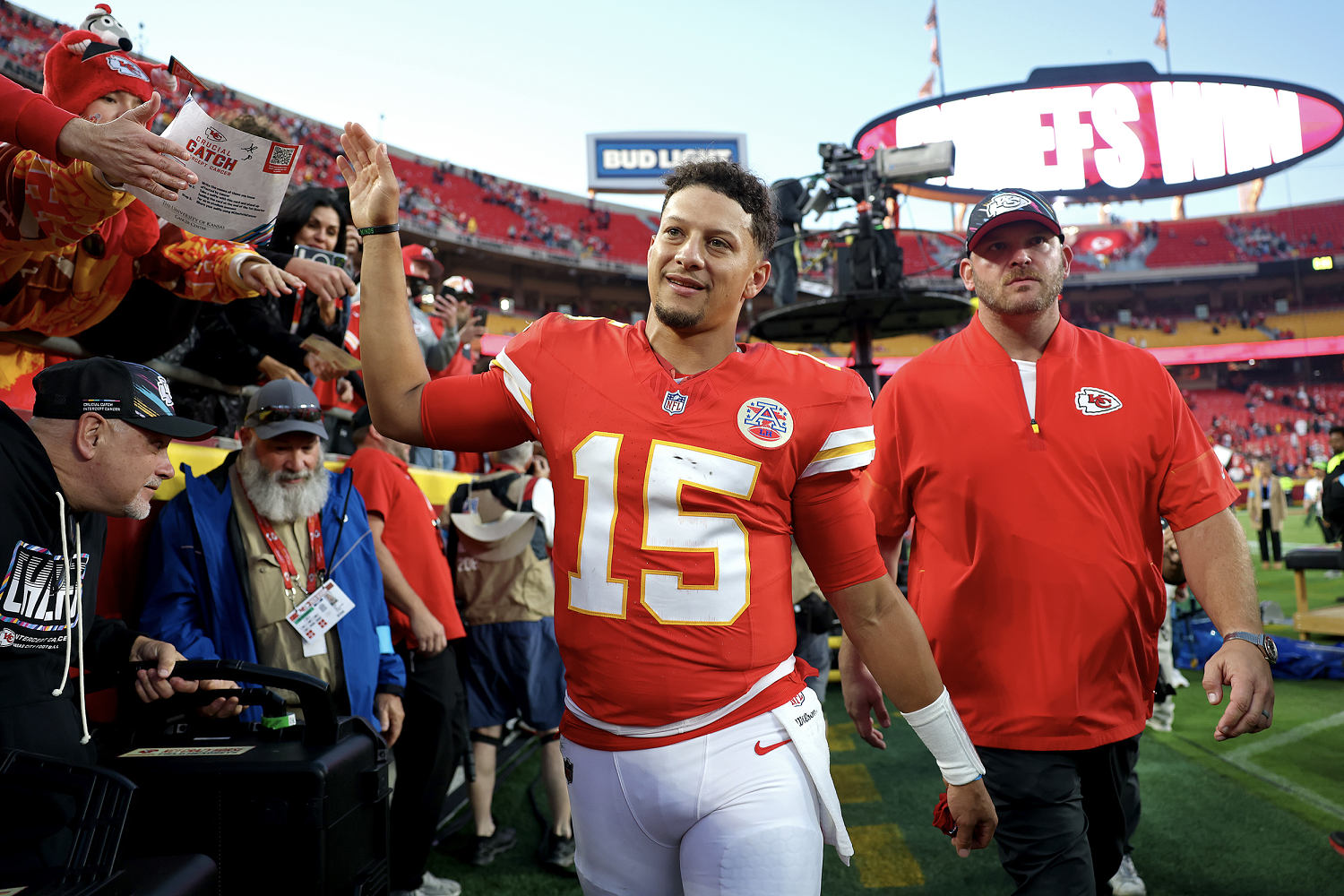
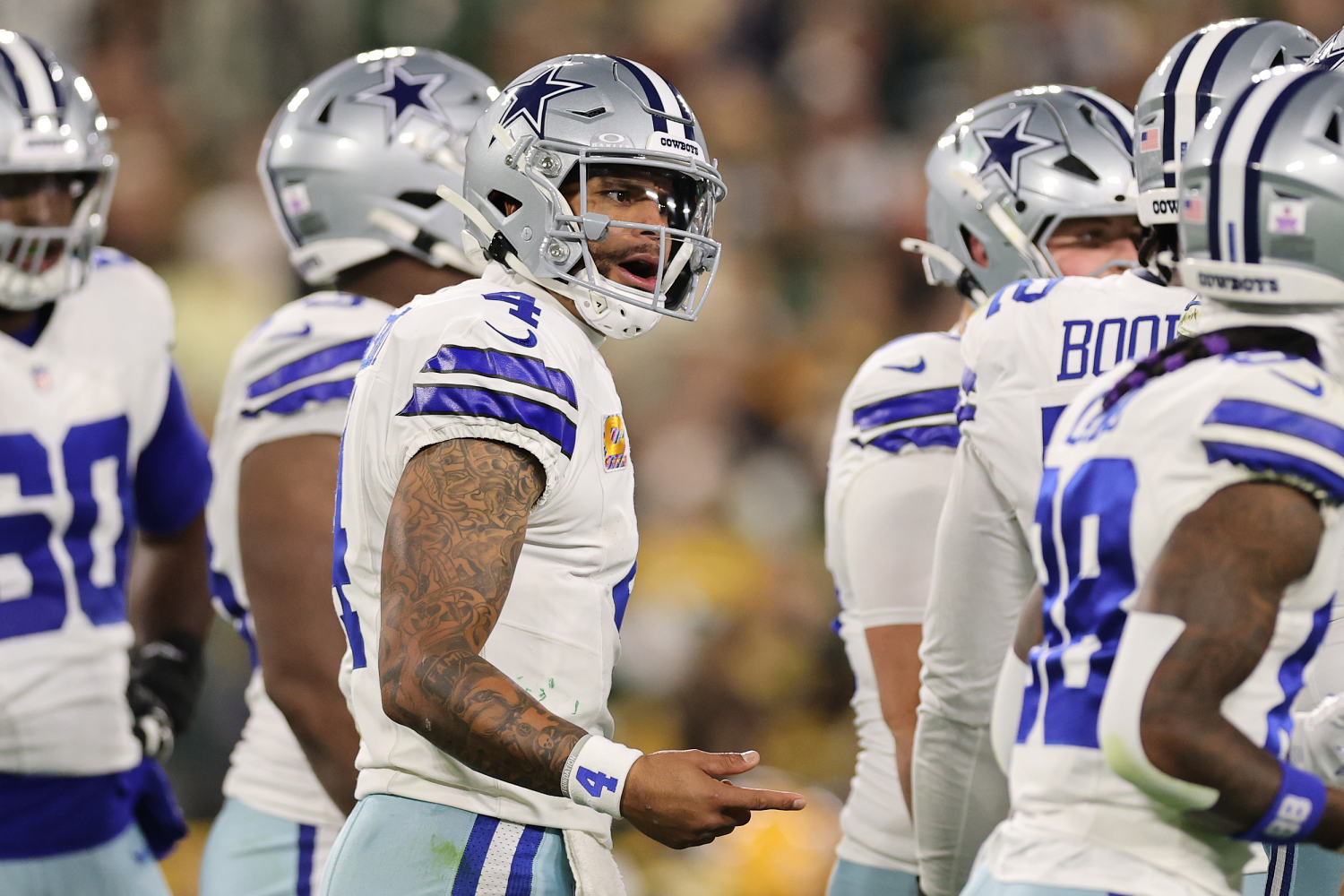
Call the Chargers offense woeful again. Do it. It is easy, lazy, and flat-out wrong.
Six losses. Zero wins. A divisional loss to Kansas City that looks on paper like another stagnant afternoon of stalled drives, predictable play calls, and wasted possessions. The standard postgame script writes itself before the final whistle even echoes. Fire the play-caller. Question the quarterback. Demand more tempo, more vertical shots, more creativity on third down.
That consensus is a crutch for people who read box scores instead of football.
I have watched front offices burn millions chasing shiny offensive coordinators to fix what was never broken on the chalkboard. I have seen talented rosters rot from the inside out because ownership kept blaming the last unit to touch the ball while ignoring roster construction, situational discipline, and defensive structure. When a team drops to 0-6 in a ruthless division against a dynasty-caliber opponent like the Chiefs, pinning the entire autopsy on offensive stagnation is like blaming the smoke alarm for a grease fire in the walls.
The real story is uglier. And it starts with how people misread cause and effect in modern football.
The Lazy Consensus Around Offensive Failure
When an offense sputters against a disciplined defense like Kansas City's, the reflex is to treat every punt as a moral failing of the play-caller. Look closer at what actually turns an average or even decent offensive plan into a corpse.
Field position. Hidden yardage. Protection breakdowns on critical downs. Negative plays on early downs that force second-and-long and third-and-long against defenses built specifically to tee off on obvious passing situations.
Kansas City under Steve Spagnuolo has made a living punishing teams that fall behind schedule or play from behind. When an offense starts drives pinned inside its own 15, deals with pre-snap penalties, or faces a scoreboard deficit that strips away the run game, the play sheet shrinks to survival mode. Outsiders see "woeful offense." Anyone who has actually broken down all-22 film knows you are often watching a symptom of field tilt, situational collapse, and roster imbalance rather than an offense that simply forgot how to run routes.
Football analytics pioneers like Brian Burke—founder of Advanced Football Analytics—and long-time scouting evaluators have spent years hammering home a basic truth that hot-take television refuses to learn: points per drive and offensive yards do not exist in a vacuum. Context dictates efficiency. A team stuck in neutral or trailing early is forced into low-percentage scripts against defenses with pinned ears.
Why "Fix the Offense" Is the Wrong Question
Fans and pundits love asking: Why can't the Chargers offense score more points against the Chiefs?
That question assumes the offense is operating with normal inputs and simply failing to convert them. At 0-6, with division games slipping away and Kansas City dictating terms, that assumption is shaky at best. A more honest question is: What is forcing the offense into low-margin situations before the snap is even balled?
Consider another angle people ask about constantly: Is the quarterback or play-caller the main reason an 0-6 team's offense looks broken?
Usually, neither is operating in isolation. When pass protection leaks interior pressure, receivers lose timing against press-man coverage, and special teams or defense cede short fields, even sharp schemes look clunky. Blaming a single button-pusher for a whole-system malfunction is comfort food for frustrated fans. It gives them someone to yell at on Monday morning without forcing them to confront harder structural truths.
What 0-6 Actually Exposes About Roster Reality
An 0-6 record is not a slump. A slump is two or three bad breaks in September. Six straight losses is a verdict on depth, coaching adjustments, execution under pressure, and how well the organization handles adversity when the margin for error evaporates.
Against the Chiefs, margin for error is razor-thin. Kansas City rarely beats itself for four quarters. They bait mistakes, disguise coverages late, tackle cleanly in space, and make opponents pay for every mental lapse. When a 0-5 team walks into that environment, fragile confidence shows up immediately. A dropped pass turns into a drive killer. A missed assignment turns a routine gain into a loss. A stalled possession feels heavier because everyone on the sideline knows what another loss means.
That psychological weight is real, even if it never shows up in a neat statistical column. Once a locker room hits 0-6, every drive carries extra pressure to be perfect—and chasing perfection against a sharp defense usually produces hesitation instead.
Three Mechanics Driving the Collapse
Strip away the noise and look at the three mechanical failures that routinely bury struggling teams against elite divisional rivals:
- Early-Down Attrition. Winning in the NFL starts on first and second down. When a team gets stuffed, penalized, or forced into checkdowns on early snaps, third down becomes a guessing game where the defense holds all the cards.
- Situational Fragility. Red-zone stalls, fourth-down gambles gone wrong, and late-half giveaways compound slowly until the scoreboard makes balanced football impossible.
- Lack of Counterpunches. Good offenses do not just run plays; they adjust to how a defense is playing their tendencies. When a unit lacks personnel answers—whether due to injuries, depth gaps, or schematic predictability—the defense takes away Plan A and dares them to execute Plan B.
The Downside of Looking Past the Box Score
Let me be completely candid about my own bias here, because contrarianism has a trap door of its own.
If you look hard enough for deeper systemic flaws, you can talk yourself into excusing genuinely bad execution. Sometimes a route is run sloppy. Sometimes a throw is late. Sometimes a play call is simply awful in the moment, regardless of field position or game script.
Imagine a scenario where a team has clean protection, decent starting field position, and open receivers on third down, yet still settles for field goals because the play caller refuses to attack soft zones or overthinks simple situations. In that scenario, calling the offense woeful is not lazy—it is accurate. Nuance should sharpen diagnosis, never serve as a shield for incompetence.
Good analysis holds both truths at once: context shapes performance, and execution still has to happen between the white lines.
What Actually Needs to Change Right Now
If you run a football operation staring at 0-6 after a loss to Kansas City, panic moves are the worst moves. Firing someone mid-season for headlines or tearing up every foundational concept out of desperation rarely fixes core rot.
Do this instead:
- Audit the inputs, not just the points. Track starting field position, penalty-ruined drives, pressure allowed per dropback, and third-down distance before judging play-calling alone.
- Simplify to speed up. When a team is losing and pressing, shrink the playbook to concepts players execute instinctively without hesitation.
- Evaluate personnel ruthlessly. Separate players who are failing because of bad surroundings from players who simply cannot win matchups at an NFL level.
- Protect the locker room's standards. At 0-6, the goal shifts from chasing grand narratives to winning individual quarters, winning the turnover battle, and building habits that carry real weight for the future.
The scoreboard says 0-6. The Chiefs walked away with another win. And lazy takes will keep blaming the offense until the next loss rolls around.
Stop looking at the smoke. Start looking at the wiring.