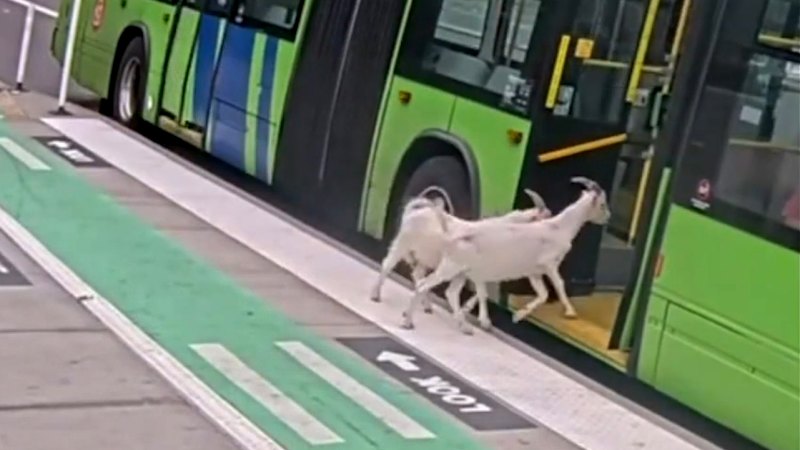
When you picture public transit in Portland, you probably imagine damp commuters, coffee cups, and umbrellas. You don't picture livestock. Yet, seeing billy goats boarding a bus in Portland is a real thing that happens.
It sounds like the setup for a weird joke. It's actually a masterclass in urban ecological management.
Portland isn't just shipping random farm animals around for fun. They're deploying professional landscaping crews with four legs, two horns, and an endless appetite for invasive weeds. If you've ever tried to clear blackberry brambles off a steep cliffside, you know why cities outsource the job to goats. They go where mowers can't. They eat things that ruin tires. They turn brush into fertilizer without burning a single drop of diesel.
Let's look at why this works, why city planners rely on these hairy commuters, and what you're missing if you think it's just a goofy photo op.
The Problem With Traditional Brush Clearing
Steep terrain is a nightmare for city maintenance crews. Send a human with a weed-whacker down a fifty-degree embankment in South Portland, and you're looking at slip hazards, injuries, and a massive workers' compensation claim. Bring in heavy machinery, and you tear up the soil, invite severe erosion, and ruin the very ecosystem you're trying to protect.
Chemical herbicides offer an easy fix on paper. In reality, they leach into the watershed, poison local wildlife, and kill off native plants alongside the invasive ones. Portland sits right next to major river systems. Dumping harsh chemicals onto a hillside near the water supply is a non-starter.
Goats solve this puzzle cleanly.
- Zero Emissions: They don't burn fossil fuels. They just eat.
- Natural Fertilizer: As they clear the land, they drop nutrient-rich manure right back into the soil.
- Precision Grazing: Goats love English ivy, Himalayan blackberry, and Scotch broom. They strip these invasive species down to the ground while leaving native oaks and ferns alone.
Why Public Transit Makes Sense for Goats
Transit systems exist to move living things from one place to another efficiently. When a herd finishes clearing a hillside park in one neighborhood, they need to get to the next job site. Walking them through miles of dense urban traffic isn't safe for the animals or drivers.
So, transit authorities get creative.
Using specialized or dedicated transport runs during off-peak hours, handlers load up the goats. People complain about delays caused by routine maintenance. Nobody complains about a delay caused by a dozen horned lawnmowers piling into the back of a vehicle.
It's efficient. It keeps traffic flowing. It gets the crew to work on time.
The Logistics of Herd Management
Managing working livestock in a progressive urban center takes serious planning. You can't just toss a billy goat onto a bus with a Clipper card.
Handlers must prep the animals. Health checks are mandatory. Sanitation protocols ensure the vehicles stay clean. Professional herders use trained dogs to keep the goats calm and orderly during boarding. Most commuters don't even realize it's happening until they look up and see a pair of amber-eyed ruminants chewing cud three seats down.
People love it. Social media lights up every single time it happens. But the novelty hides serious municipal strategy. Cities face tight budgets for parks and recreation. Traditional manual labor is expensive. Hiring a goat crew is cost-effective, highly efficient, and cuts carbon footprints to zero.
What Other Cities Can Learn From Portland
Urban planners across North America are taking notes. Cities like Seattle, San Francisco, and Austin have experimented with urban grazing programs. But Portland integrates the operational logistics into everyday infrastructure—like public transit—better than most.
If your city has steep ravines, highway embankments choked with ivy, or public parks suffering from overgrowth, stop buying more string trimmers. Look at your transit map. Figure out how to move a herd where the weeds are.
Next time you hear about billy goats boarding a bus in Portland, don't just laugh and scroll past. Recognize it for what it is. It's smart, sustainable city management disguised as a cute viral video.
Check your local park schedules. If you see a grazing notice posted on a trail gate, go watch them work. Just don't try to pet the billy goat. He's on the clock.