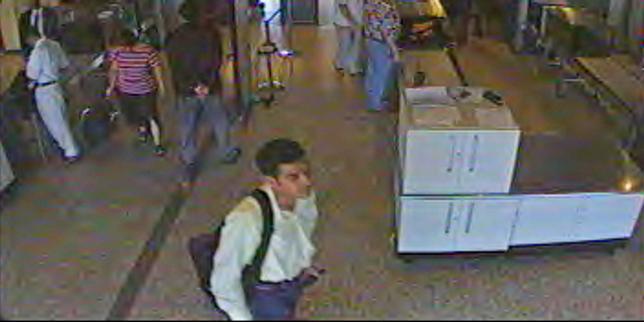
The architectural psychology of commercial flight underwent a permanent fracture on September 11, 2001. Before that Tuesday, boarding a commercial aircraft resembled an exercise in civic trust rather than a ritual of suspicion. Passengers could accompany loved ones right up to the departure gate without a boarding pass, carrying small pocket knives or casual belongings without secondary scrutiny. The underlying doctrine of aviation defense rested on a predictable premise: hijackers wanted leverage, ransom, or safe passage to a geopolitical haven. Compliance was the standard survival strategy. Crews were trained to land the plane, negotiate with hostage-takers, and wait out the crisis.
When four commercial airliners were converted into guided missiles, that doctrine evaporated in a single morning. Also making waves in this space: Why August Breaking Heat Records Again Should Terrify Everyone.
The immediate legislative and operational response was frantic, sweeping, and fundamentally reactive. Governments rushed to construct a shield against the exact methodology of the last attack, establishing centralized federal agencies like the Transportation Security Administration in the United States and rewriting global protocols for airport access. Yet, decades later, the multi-billion-dollar apparatus guarding our terminals functions less as an infallible barrier and more as a massive exercise in theater, bureaucracy, and public reassurance.
The Illusion of Total Prevention
Walk through any major international terminal today, and you are funneled through layers of rigorous screening designed to catch yesterday's weapons. Shoes are scanned, laptops are extracted from bags, and full-body millimeter-wave scanners map the contours of human bodies. More information regarding the matter are explored by NBC News.
This security theater creates a powerful psychological comfort. If thousands of workers review X-ray monitors and pat down travelers, the system must be airtight.
History suggests otherwise. Aviation security has never evolved through proactive genius; it has evolved through autopsy. Every major procedural restriction born since 2001 stems from an attempted follow-up attack that narrowly missed succeeding. When Richard Reid attempted to detonate explosives hidden in his footwear aboard a trans-Atlantic flight in late 2001, millions of travelers began removing their shoes at security checkpoints. When a British terrorist plot involving liquid chemical explosives was disrupted in 2006, the rigid limits on gels, aerosols, and liquids were codified into global law. When an operative concealed an explosive device within his underwear on a Detroit-bound flight in Christmas of 2009, advanced whole-body imaging systems were rushed onto the floor.
The system does not anticipate threats; it patches holes after someone tries to crawl through them.
This creates a dangerous strategic lag. While regulators focus exhaustive attention on banning small utility tools, organic liquids, and specific electronic footprints, the nature of global conflict shifts toward cyber-physical vulnerabilities, insider threats, and supply chain corruption. An adversary willing to bypass the front checkpoint entirely does not need a box-cutter when they can target cargo containers, digital air traffic management systems, or underpaid ground handling crews with unrestricted tarmac access.
The Human Element and Insider Vulnerabilities
For all the automated lane systems, facial recognition cameras, and biometric boarding gates proliferating through modern hubs, the weakest link in aviation security remains remarkably analog.
Airports are hyper-complex ecosystems relying on tens of thousands of low-wage contractors, catering staff, fuelers, and cleaning crews. Maintaining absolute control over this workforce is financially and logistically impossible. A security badge grants access to secure areas, but background checks are often periodic snapshots rather than continuous risk evaluations.
In late-night industry briefings, security veterans openly acknowledge a sobering reality: if an insider is determined to compromise an aircraft from the inside, the traditional screening checkpoints for passengers are entirely irrelevant. The focus on passenger queues serves political visibility, reassuring jittery travelers at the terminal entrance while leaving peripheral vulnerabilities underexposed.
Furthermore, outsourcing security screening to private corporations or managing it through bureaucratic state agencies introduces chronic systemic friction. High turnover rates among screeners, fatigue during peak holiday surges, and the sheer monotony of staring at thousands of baggage X-rays per shift degrade operational focus. Internal testing regularly exposes troubling failure rates when undercover agents slip mock prohibited items past checkpoints.
The Cost of Continuous Surveillance
The transformation of air travel exacts a heavy toll, measured not just in billions of dollars of operational overhead, but in the slow erosion of civil liberties and privacy expectations.
Biometric data collection is expanding rapidly. Facial recognition cameras now scan passengers at boarding gates in major hubs across North America, Europe, and Asia, matching live facial maps against passport repositories. While proponents market these tools as a seamless way to accelerate queues and eliminate human error, critics point out the chilling creep of mass surveillance infrastructure into daily transit.
The data retention policies of these programs remain opaque. Passengers are forced into a coercive binary choice: surrender biometric data or abandon commercial air travel altogether. Trusted traveler programs like PreCheck or Global Entry monetize convenience, allowing affluent frequent flyers to bypass rigorous scrutiny after paying a fee and submitting to background checks, effectively creating a tiered citizenship model for movement.
We have built a fortress around the departure gate, yet the global aviation network remains inherently vulnerable because absolute security is a mathematical impossibility in an open society. The changes catalyzed on September 11 fundamentally altered how humanity moves across the globe, trading ease and trust for a permanent state of managed anxiety.
The next systemic shock will not look like the last one, and no amount of shoe removal or liquid restrictions will stop it.
The morning that changed the world of aviation forever is a video that delves into the minute-by-minute chaos and the immediate decisions that altered global transport history.