When Donald Trump, Xi Jinping, and Vladimir Putin sat down together in Shenzhen on November 19, 2026, diplomatic alarm bells went off across every European capital. For Kyiv, the nightmare scenario has always been simple. Great powers cut a backroom deal over Ukraine's head, hand Moscow territorial concessions, and expect Volodymyr Zelenskyy to sign on the dotted line.
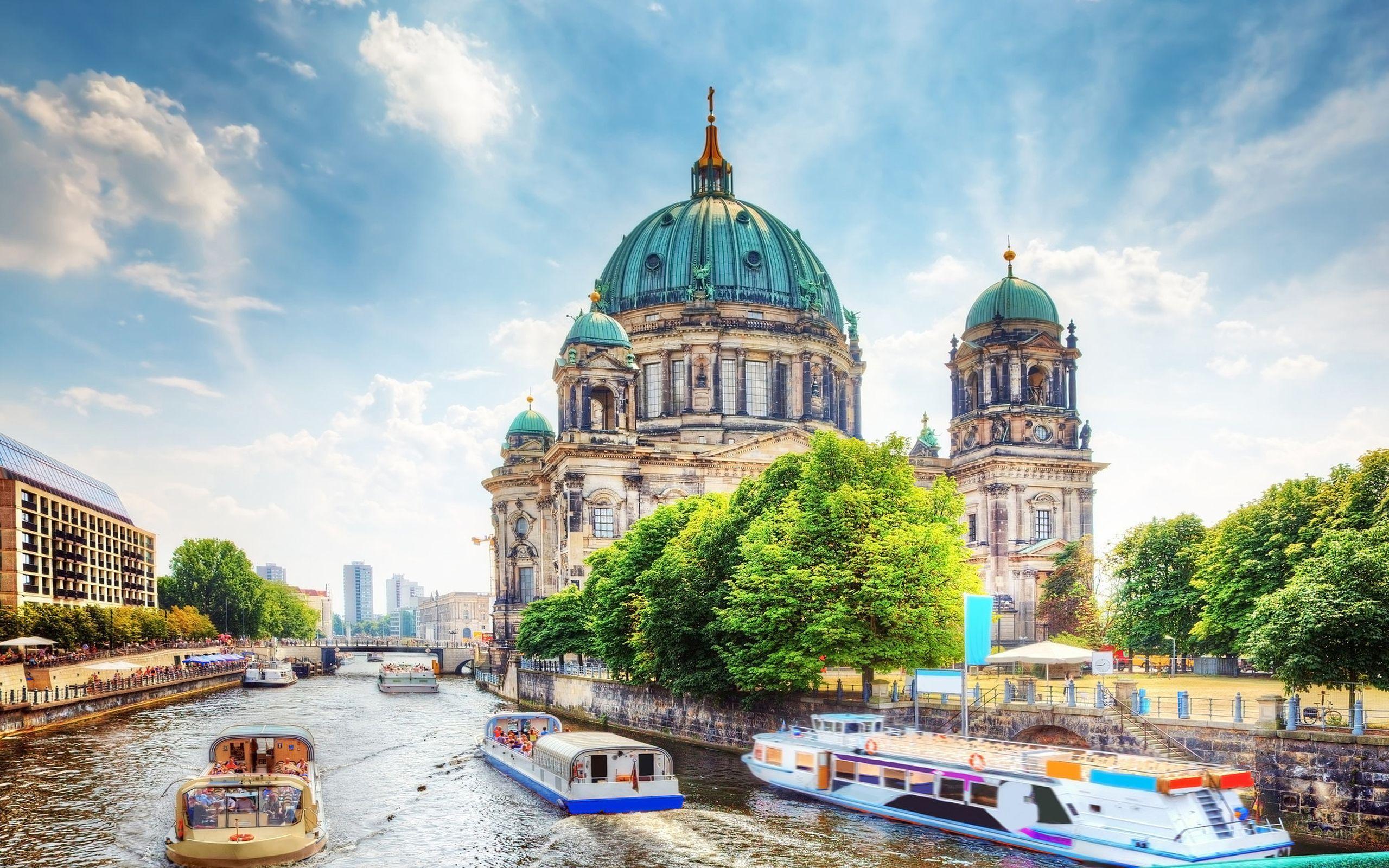
Zelenskyy got ahead of that narrative before the Shenzhen summit even wrapped. In his November 18 evening address, he confirmed that American envoys would travel straight to Berlin to debrief his negotiating team on what actually happened in China. Those envoys—Steve Witkoff and Jared Kushner—arrived in the German capital hours after the trilateral photo-op, stepping directly into a high-stakes summit of the roughly three-dozen-nation "Coalition of the Willing".
If you only read the wire headlines, you might think this was just routine diplomatic courtesy. It wasn't. The Berlin debriefing was a deliberate power play to prevent a modern Yalta moment, lock Washington into a four-party negotiating framework, and secure winter survival packages while Moscow tried to stall.
Why Shenzhen Triggered Immediate Panic in Kyiv and Europe
To understand why the Berlin briefing mattered so much, look at the optics in Guangdong province. During the 33rd Asia-Pacific Economic Cooperation (APEC) summit in Shenzhen, Xi hosted Trump and Putin for a historic trilateral meeting. Even though Washington initially suggested on November 13 that the war in Ukraine wasn't the centerpiece of the China trip, Trump reversed course three days later and confirmed he would raise the conflict with both leaders.
The three leaders issued a four-point declaration touching on nuclear risk reduction and proliferation, with Trump calling the gathering "12 out of 10" and saying they were "making history". Meanwhile, Ukrainian Foreign Minister Andrii Sybiha publicly stated that Kyiv expected Washington and Beijing to use their combined weight to force Moscow toward peace. Zelenskyy went further, arguing that the war could end in a single meeting between Trump, Putin, and Xi if the three actually wanted to stop it.
Behind closed doors, though, European leaders weren't celebrating the Shenzhen photos. You don't need a doctorate in international relations to see the trap. When three nuclear superpowers sit in a room without Ukraine or the European Union, Moscow gets exactly what it craves—recognition as an equal global arbiter deciding the fate of smaller neighbors.
German Chancellor Friedrich Merz said the quiet part out loud when he welcomed Zelenskyy and Coalition partners to Berlin. "A Yalta format will not bring peace," Merz warned, referencing the 1945 conference where Allied powers carved up post-war Europe without consulting the countries caught in the middle. That single sentence summed up the entire purpose of the Berlin counter-summit.
Inside the Berlin Debriefing With Witkoff and Kushner
Most syndicated news reports barely scratched the surface of what happened once the American team landed in Germany. They mentioned Zelenskyy's announcement and moved on. In reality, the Berlin gathering turned into an intense, multi-hour coordination session between Kyiv, Washington, and European heavyweights including Merz, French President Emmanuel Macron, NATO Secretary General Mark Rutte, and European Commission President Ursula von der Leyen.
Witkoff and Kushner didn't just pass along a summary of the Shenzhen talks to Ukrainian officials. They sat down with Merz and the broader Coalition of the Willing to align on next steps, with Trump himself reportedly dialing in briefly by video.
Kushner's message in Berlin was calculated to cool European nerves. "President Trump wants to make a deal with Europe by his side. He's not looking to impose anything unilaterally," Kushner told attendees, adding that the White House had instructed its envoys to spend as much time as necessary coordinating with European partners. Trump echoed that line to NBC News, insisting he agreed with Zelenskyy that Washington shouldn't make decisions about Ukraine behind Kyiv's back.
Here is what makes that alignment so fragile. Just days earlier, on November 10 and 11, US-mediated talks between Ukraine and Russia had taken place in Abu Dhabi. Witkoff and Kushner had flown to Moscow to see Putin before briefing Zelenskyy in Ireland on November 12. Shuttle diplomacy at this pace creates massive friction. Every time American envoys meet Putin alone—or alongside Xi in Shenzhen—European capitals worry that Washington might warm up to Kremlin demands like redrawing Donbas borders or freezing Ukraine out of NATO.
The Four-Party Format Push
In Berlin, Zelenskyy used the debriefing to draw a hard procedural line. Bilateral deals between Washington and Moscow are a non-starter. Trilateral deals cooked up in China are equally unacceptable.
Instead, Zelenskyy demanded that the next phase of diplomacy take place strictly as a four-party negotiation involving Ukraine, Europe, the United States, and Russia. Even more importantly, he insisted that Kyiv, Washington, and European allies agree on the agenda together before sitting across from Russian negotiators. That evening, American, Ukrainian, and European advisers huddled at the German Chancellery to start drafting that shared baseline.
Europe is actually ready for that seat now. Following an informal EU leaders' meeting in Dublin on November 13, European Council President António Costa confirmed a seven-member European negotiating delegation combining EU Commission and Council leaders with representatives from Germany, France, Italy, Poland, and the United Kingdom.
Hard Cash, Air Defense, and Winter Survival
Diplomacy without leverage is just wishful thinking. While the Shenzhen debriefing grabbed the headlines, the real substance in Berlin came down to weapons, electricity, and money.
Ukraine is entering another brutal winter under relentless Russian bombardment. According to UN monitoring cited in November 2026 reports, civilian casualties in Ukraine surged 95% in October 2026 compared to the previous year, with at least 372 civilians killed and 1,981 injured—the deadliest October since the full-scale invasion began in February 2022. Russia's strategy hasn't changed. Moscow is trying to shatter Ukraine's power grid and break civilian morale before freezing temperatures peak.
That's why Zelenskyy arrived in Berlin focused on two immediate lifelines.
- Anti-ballistic air defense: Coalition members reviewed urgent interceptor deliveries and scheduled a dedicated summit on the Freya anti-ballistic missile system to shield cities and energy hubs.
- The PURL procurement mechanism: Under the NATO-run Prioritized Ukraine Requirements List (PURL) scheme—which pools allied funds to purchase American air defense systems for Kyiv—both Germany and Norway pledged $300 million each during the Berlin talks.
- The €45 billion 2027 loan: European leaders laid the groundwork to finalize the European Commission's proposed €45 billion loan package to keep Ukraine's state budget and defense industrial base funded through 2027.
- Security guarantees: Allies debated legally binding post-war security commitments, including accelerated EU integration and proposals for a European-led multinational force.
Not everyone in the room opened their checkbook. Poland declined to announce new financial pledges to the PURL mechanism during the meeting, Bulgaria offered humanitarian assistance instead of weapons it lacks budget for, and Slovakia's Prime Minister Robert Fico flatly boycotted the coalition. Still, the core Western European powers sent an unmistakable signal to Washington and Moscow. Europe is paying the bills to keep Ukraine in the fight, which means Europe gets a vote on how the war ends.
Putin's Counter-Move From China
While American envoys were assuring allies in Berlin that peace talks were moving forward, Putin threw cold water on the entire process from Shenzhen.
Ukraine had just struck the 19-kilometer Crimean (Kerch) Bridge three times in a single week—including renewed strikes on November 17 and November 19—inflicting serious structural damage to the road section and cutting traffic along Russia's primary military supply artery to occupied Crimea. Putin seized on the attacks to rule out immediate ceasefire negotiations covering energy infrastructure or the Black Sea.
"After the strikes on the Crimean bridge, there will be no negotiations," Putin declared, promising retaliation and insisting Moscow wouldn't reverse course in Ukraine. He also rejected any deployment of European troops on Ukrainian soil as "unacceptable" and labeled military cooperation between Kyiv and European capitals a direct problem for Russia.
Then came the diplomatic wedge. Through backchannels, the Kremlin floated an invitation for European leaders to visit Moscow to discuss ending the war, claiming European security couldn't be settled without Europe. Kremlin spokesman Dmitry Peskov refused to name who was invited, and Moscow offered zero guarantee that Europeans would hold a formal seat in actual peace talks.
It's a classic Kremlin playbook move. Invite European leaders to Moscow without pre-conditions to fracture the Coalition of the Willing, undermine Merz's unified front, and dangle bilateral side-deals in front of nervous capitals.
What You Should Watch Over the Next Two Weeks
If you're tracking whether the Shenzhen-to-Berlin diplomatic blitz actually shifts the war—or just produces another round of stalled summits—keep your eye on three concrete indicators rather than press conference soundbites.
- The EU's €45 billion loan vote: Watch how quickly Brussels locks in the 2027 financing package. Words in Berlin mean very little if Hungarian or Slovakian vetoes delay cash disbursements into early next year.
- Venue confirmation for four-party talks: Zelenskyy and Coalition allies are pushing for a joint US-Ukraine-Europe-Russia session—potentially hosted again in the United Arab Emirates. If Moscow refuses to sit with Europe's seven-person delegation, Putin's "Moscow invitation" is exposed as pure theater.
- Interceptor delivery timelines: Russia's winter campaign against Ukrainian power plants is happening right now. Track whether the $600 million in fresh German and Norwegian PURL pledges translates into immediate Patriot and air-defense shipments before mid-winter.
Zelenskyy succeeded in forcing Washington to brief Kyiv and Berlin immediately after Trump's trilateral summit in China. Getting briefed is step one, but keeping the United States, Ukraine, and a fractured European coalition aligned once Putin starts offering selective concessions will be the real test.
To see the exact remarks from Kyiv leading into these meetings, watch U.S. promises to brief Ukraine on China meeting. This clip captures the direct diplomatic messaging from Ukrainian leadership right before American envoys arrived in Berlin.


