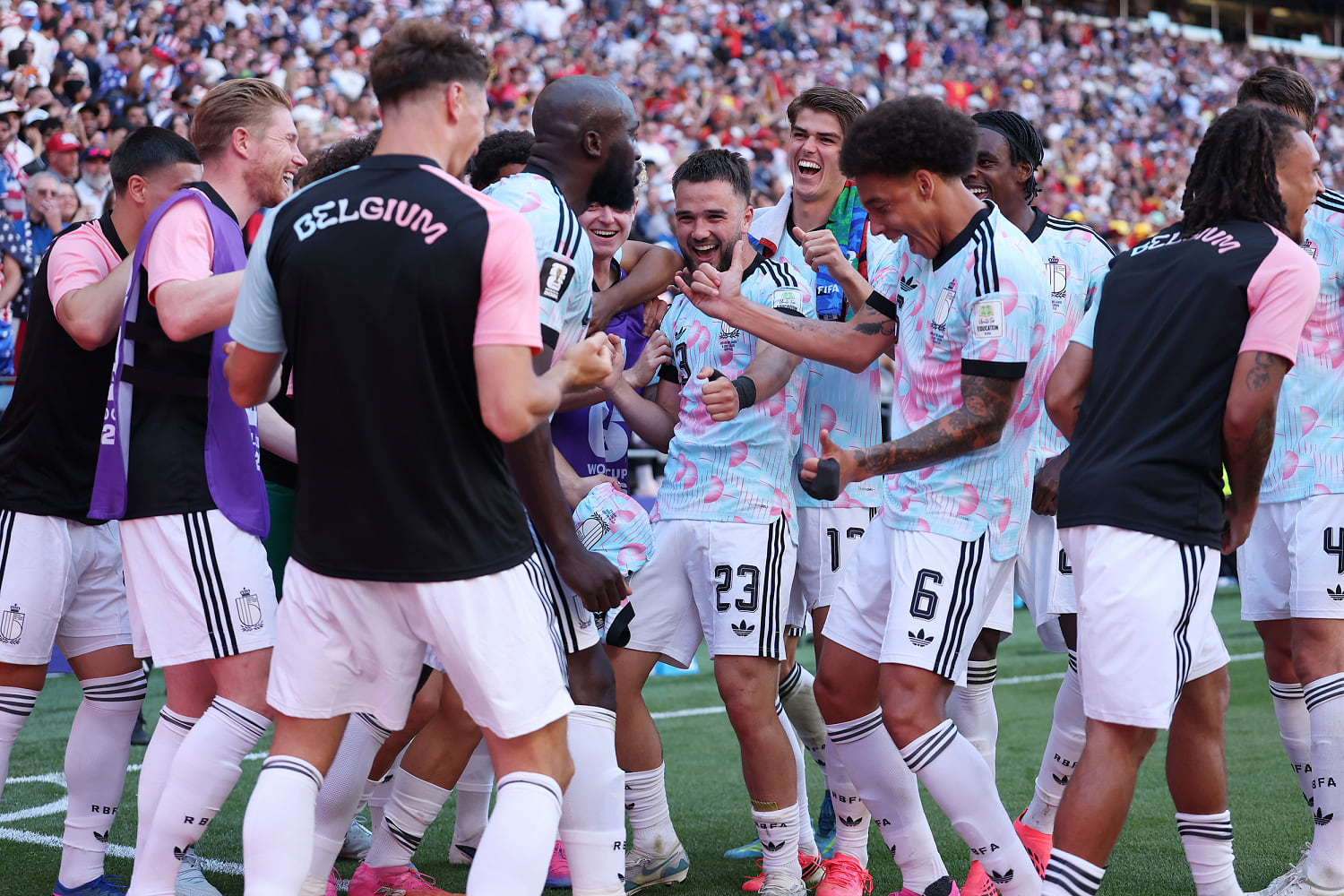
The soccer commentariat is weeping. They are looking at the 4-1 scoreboard, watching the post-match Belgian social media clips poking fun at the United States Men's National Team, and calling it a national embarrassment. They see a blowout. They see a tactical failure. They see a reason to burn the system down.
They are completely missing the point.
Losing 4-1 to a European heavyweight in an environment where your flaws are brutally, clinically exposed is worth a dozen empty 1-0 victories against low-block regional opponents. The lazy consensus screams that the USMNT was "demolished" and "trolled." The reality? This match provided the exact high-velocity trauma required to shock American soccer out of its persistent complacency.
The Myth of the Competitive Friendly
Let's dismantle the first flawed premise: that the scoreline of a high-profile friendly matters.
For decades, the USMNT has thrived on a diet of CONCACAF fixtures that mask deep structural deficiencies. When you spend 80% of your calendar year playing teams that sit ten men behind the ball and pray for a draw, your tactical development stagnates. You mistake possession percentages for competence. You mistake athletic superiority for technical mastery.
Belgium didn't just win; they pressure-tested the American system at a speed the USMNT rarely encounters.
- The Transition Trap: When you lose the ball against top-tier European talent, you don't have five seconds to recover. You have two.
- The Pressing Illusion: Pressing works against disorganized backlines. Against elite technical players, a poorly coordinated press is just an invitation to get carved open.
- The Depth Reality Check: The gap between the starting eleven and the bench isn't a crack; it's a canyon.
I have spent years watching federations protect their brand value by scheduling weak opponents to maintain a glossy FIFA ranking. It is a marketing strategy masquerading as sporting development. When you play to protect a ranking, you learn nothing. When you get exposed for four goals, you get a blueprint for survival.
Deconstructing the Post Match Trolling
The media is obsessed with the fact that Belgium "trolled" the U.S. team online after the final whistle. The pundits are offended. They want dignity.
This reaction betrays a fundamental misunderstanding of elite sporting culture.
In top-tier global soccer, disrespect is the baseline currency. If European nations are taking the time to needle the U.S. team on social media, it means the U.S. is finally relevant enough to warrant a response. Ten years ago, a European power would have beaten the U.S. 4-0 in a half-empty stadium and forgotten the match before they reached the airport.
Elite teams don't troll teams they don't care about. They troll teams they want to keep in their place. The online banter isn't a sign of American humiliation; it is validation that the U.S. has entered the conversation, even if they currently belong on the receiving end of the joke.
The Downside of Radical Honesty
Let's be clear about the cost of this perspective. Accepting a 4-1 loss as a positive step requires a stomach for public failure.
It damages casual fan engagement. The average American sports fan, raised on a diet of sports where domestic leagues represent the absolute pinnacle of the sport, does not understand the nuance of a developmental blowout. They look at the scoreboard, decide the team sucks, and tune out.
It puts immense pressure on the coaching staff. It forces the federation to answer difficult questions from sponsors who prefer clean, marketable victories over messy, instructive defeats.
But if the goal is to win a World Cup knockout game, rather than just selling jerseys during the group stage, these are the exact trade-offs a federation must make. You must be willing to look terrible on national television to discover what your players do when the lights are blindingly bright.
Why the Current Development Pipeline is Failing
Why did the U.S. give up four goals? Because the domestic developmental infrastructure prioritizes athleticism over cognitive speed.
In the youth ranks across America, the biggest, fastest kids are pushed to the front. They win games by running past defenders. They win tournaments by outmuscling opponents. Then they transition to the international stage, encounter a Belgian midfielder who weighs 150 pounds but processes space three seconds faster than anyone they have ever met, and they look like they are running through mud.
The 4-1 loss wasn't a failure of effort. It was an indictment of an entire developmental philosophy that treats soccer as a track meet rather than a chess match played at a sprint.
Stop asking how the U.S. can fix their defense before the next match. Start asking why the system continues to produce players who cannot handle a high press under cognitive load.
The scoreline was ugly. The trolling was loud. But if you want to build a soccer program that actually matters on the global stage, you should pray for three more matches exactly like it.