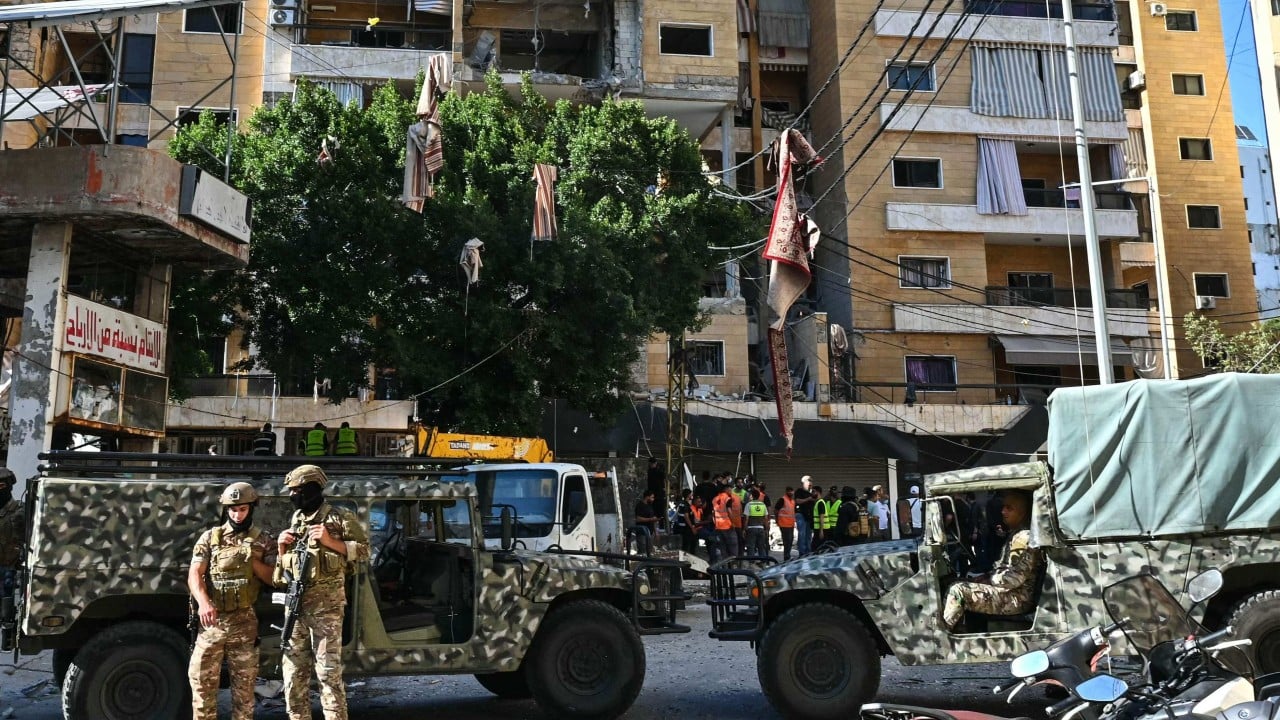
The fragile diplomatic illusion in the Middle East just shattered again. On Sunday, June 7, 2026, Israeli warplanes struck the southern suburbs of Beirut, hitting the Hezbollah stronghold of Dahiyeh. The attack killed at least two people and wounded 11 others, completely upending a US-brokered ceasefire that took effect just days ago on June 3.
Now, Tehran is dropping the diplomatic niceties. Iranian parliamentary speaker and chief negotiator Mohammad Bagher Qalibaf made it clear on social media that Iran now views American regional assets as fair game. Qalibaf argued that the ongoing US naval blockade of Iranian ports, combined with Washington giving Israel a "green light" to strike Lebanon's capital, changes the rules of engagement.
His words weren't vague. They targeted the exact locations where American troops eat, sleep, and operate.
"The naval blockade imposed against the Iranian people, together with Washington's green light today to the Zionist regime, makes US and Israeli bases and assets in the region legitimate targets," Qalibaf stated. He added that Iran's armed forces "are free to act."
If you think this is just empty political theater, you're missing the bigger, uglier picture of how this multi-front war actually operates.
The Target on US Bases in Kuwait and Bahrain
Iran isn't just venting on the internet. Hardline Iranian lawmaker Ebrahim Rezaei warned of a "decisive and painful response," telling people to "look at the skies over the occupied lands tonight." This rhetoric isn't happening in a vacuum; it follows a weekend of direct military escalations between US forces and Iran's Revolutionary Guards.
Just hours before the Beirut airstrike, US Central Command (CENTCOM) reported downing Iranian attack drones over the Strait of Hormuz. In retaliation, Iran fired a volley of seven missiles targeting Bahrain and Kuwait—both of which host critical US military installations. While US systems intercepted six of those missiles, the message was delivered. Tehran is perfectly willing to strike neighboring Arab states to hit back at American infrastructure.
The strategic math for Iran is simple. They view the US and Israel as a single military entity. When Israel hits Beirut, Iran looks for the nearest vulnerable American asset to pressure Washington into reining in Israeli Prime Minister Benjamin Netanyahu.
Why the Washington Ceasefire Failed So Fast
The current war began back in February 2026 when the Trump administration launched a massive air campaign alongside Israel against Iran. By April, a tense stalemate emerged. Iran effectively choked off global shipping through the Strait of Hormuz, driving up global energy prices, while the US countered with a strict naval blockade of Iranian ports.
Pakistan has been trying to broker peace talks between Washington and Tehran, but Lebanon remains the ultimate dealbreaker. Iran demands that any peace agreement with the US must include an immediate end to the war in Lebanon.
The June 3 ceasefire was supposed to buy time for those broader talks. Donald Trump even reportedly confronted Netanyahu using harsh profanity last week, demanding that Israel scale back its actions in Beirut to allow room for a deal with Tehran. Netanyahu briefly complied, but the pause didn't last.
Israel claims Sunday's strike was a direct response to Hezbollah firing two projectiles into northern Israel earlier in the day. Netanyahu wants Hezbollah permanently removed as a threat on Israel's northern border. Hezbollah, meanwhile, completely rejects the US-brokered truce terms, which call for the group's total disarmament. They refuse to drop their weapons while Israeli troops occupy portions of southern Lebanon.
By striking Dahiyeh without warning, Israel ignored direct US requests to spare the Lebanese capital. The White House has offered no official comment, but a senior US official acknowledged they "were not surprised" by the attack.
What This Escalation Means For Global Energy
This isn't just a localized conflict. The breakdown of this ceasefire means the Strait of Hormuz will stay locked down. As the transit point for a massive portion of the world's oil and liquefied natural gas, the continued closure guarantees prolonged economic pain globally.
Iran knows this is its strongest leverage. By threatening US bases and maintaining the shipping blockade, Tehran hopes to force Trump to make major concessions—including unfreezing Iranian assets, which Trump recently stated he wouldn't do until a final peace deal is signed.
The immediate next steps are clear. Expect a sharp increase in drone and missile exchanges across the Persian Gulf over the coming days. If you operate or have interests connected to regional logistics, maritime supply chains around the Arabian Peninsula, or energy markets, prepare for heightened security postures and immediate spikes in shipping insurance premiums. The diplomatic track is officially stalled, and the theater of war is expanding right back to American doorsteps in the Gulf.
The regional security landscape is shifting rapidly as US and Iranian forces trade strikes. To better understand the geography of these escalations and where key military assets sit, review the latest maritime security maps detailing drone intercepts in the Gulf. This DW News analysis on the Beirut strike and ceasefire pressure explains why the diplomatic breakthrough collapsed so quickly and how the conflict is spilling over into neighboring territories.