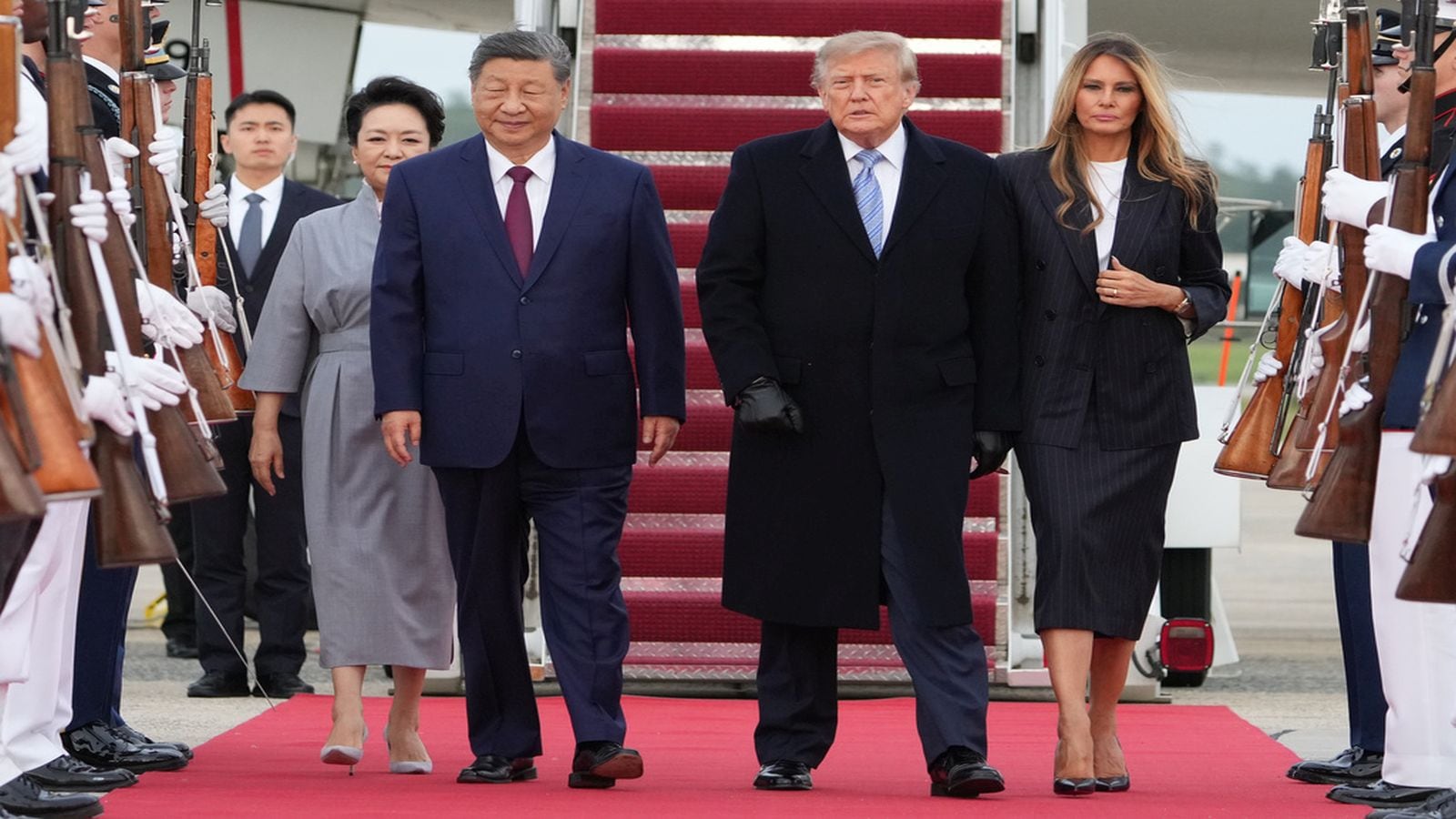
International diplomacy has always relied on convenient blind spots. When world leaders shake hands under grand chandeliers, cameras love the theater of unity. But beneath the pageantry of high-level summits, supply chains tell an entirely different story. Long before diplomatic red carpets get rolled out for bilateral photo-ops, quiet networks of procurement, crude oil tankers, and dual-use components keep sanctioned regimes afloat. Nowhere is this contradiction more glaring than in the quiet economic and industrial lifeline connecting Beijing to Tehran.
The Oil Lifeline and the Shadow Economy
You don't have to dig deep into intelligence reports to see how the financial engine works. Independent Chinese refineries, often dubbed teapot refineries, snap up the bulk of Iranian crude. When maritime conflicts flare up and energy corridors face disruptions, these tanker routes operate with remarkable resilience. Tracking data from firms like Kpler routinely shows millions of barrels of Iranian oil slipping quietly into Chinese terminals.
This steady stream of capital gives the Iranian government the exact financial oxygen it needs to sustain its operations. Washington periodically rolls out sanctions against specific Chinese entities or Hong Kong-based front companies, but the core trade persists. It persists because Beijing views energy security as non-negotiable. Stopping the flow of cheap oil to appease Western diplomats simply isn't how modern superpowers operate.
Dual-Use Tech and the Procurement Web
Money is only part of the equation. Security analysts tracking regional conflicts point out a steady trickle of industrial components feeding military supply chains. U.S. intelligence and defense officials have repeatedly flagged instances of dual-use technology—everything from specialized aerospace materials to microelectronics—finding its way from Chinese suppliers into Iranian defense programs.
Take procurement networks attempting to route sensitive missile hardware through third-party nations like Belarus to obscure the ultimate end-user. While some transactions fail or trigger Treasury department penalties, the sheer volume of trade makes complete oversight nearly impossible. Beijing maintains plausible deniability, insisting that normal commercial trade shouldn't be conflated with state-backed military assistance. Yet, the components keep moving.
The Diplomatic Balancing Act
This dual-track strategy creates an uncomfortable reality for Western negotiators. On one side of the table, leaders talk about strategic stability, trade agreements, and regional peace. On the other side, the economic architecture supporting adversary states remains completely intact.
When high-stakes summits convene, leaders like Donald Trump and Xi Jinping often project an aura of mutual understanding. Publicly, assurances are made about weapons proliferation and regional stability. Privately, internal divisions persist within Western defense establishments. Some officials argue for maximum pressure and secondary sanctions on any institution touching the Iranian network, while others downplay the extent of assistance to preserve broader economic deals.
Why This Dynamic Persists
The reason this relationship endures comes down to cold, calculated self-interest. China needs stable energy imports and a counterweight to American hegemony in the Middle East. Iran needs a buyer of last resort and a technological backdoor to bypass Western isolation.
Until economic interdependence is fundamentally decoupled from geopolitical friction, grand red-carpet summits will remain pure theater. The underlying currents of global trade care very little about diplomatic optics. They follow cash, crude, and supply chains—and right now, those paths run directly through Beijing.