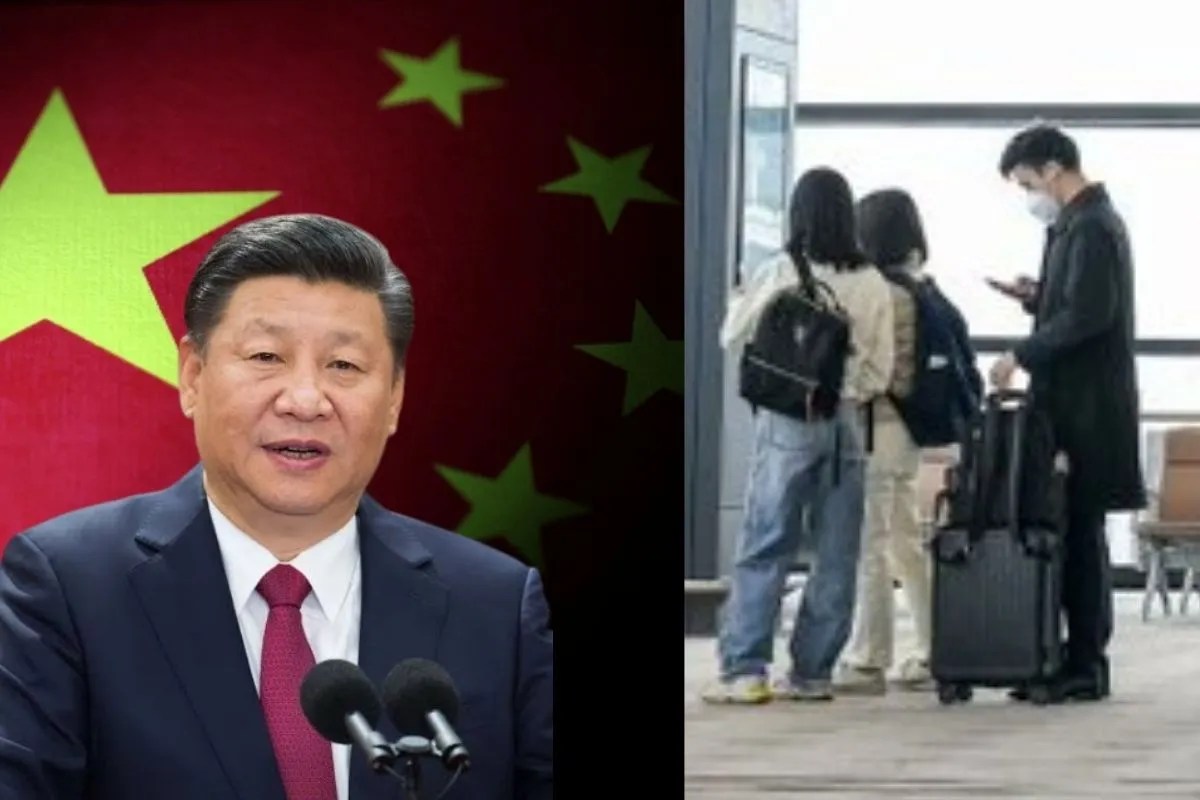
Every time Beijing conducts a routine maritime drill or moves a fleet of coast guard cutters past the median line, the media machine spins into a frenzy of impending armageddon. The latest panic surrounds a specific date, September 15, breathlessly hyped as the day the geopolitical weather turns catastrophic across the Taiwan Strait. Analysts on cable news channels and defense blogs treat every single calendar marking like a precise countdown to a naval invasion.
It is lazy, theatrical, and fundamentally misunderstands how modern superpowers actually wage economic and psychological attrition.
The Myth Of The D-Day Calendar
The lazy consensus claims that Beijing operates on a rigid timeline of amphibious assaults, treating cross-strait tensions like a Hollywood blockbuster release schedule. Defense commentators love to point to dates, anniversaries, and tidal conditions as if modern statecraft is dictated by an open-air calendar app.
Real geopolitical strategy does not announce itself with a neon sign pointing to mid-September. The Chinese military establishment prefers the slow boil over the sudden flash. While headlines scream about imminent amphibious landings, the actual theater of operations is happening quietly in the domains of semiconductor supply chains, psychological conditioning, and maritime grey-zone enforcement.
Focusing on a single date like September 15 is a massive strategic distraction. It blinds observers to the systematic erosion of Taipei's administrative breathing room happening every single day of the year.
The Economics Of Perpetual Pressure
An actual kinetic invasion of Taiwan remains an economic and logistical suicide mission for Beijing. The semiconductor manufacturing dominance concentrated in Hsinchu is not something anyone bombs into submission without crashing their own domestic technology infrastructure. You do not shell the golden goose when you are trying to win an economic war for global supremacy.
Instead, the real strategy relies on cost exhaustion. By forcing Taiwan to constantly scramble jets, fuel naval vessels, and maintain heightened alert states for every routine exercise, Beijing imposes a massive financial and psychological tax on the island. It is a war of attrition waged through budget depletion and cognitive fatigue.
Every time Taipei's defense ministry holds an emergency press conference about a spike in aircraft sorties, the playbook of the aggressor succeeds. They are not testing beach defenses for a September landing; they are training the defense apparatus to burn through its resources responding to shadows.
The Tech Supply Chain Illusion
Another favorite talking point of the alarmist playbook is the immediate blockade of global shipping lanes. Commentators love to map out naval exclusion zones and predict the total halt of container ships within forty-eight hours.
This argument ignores the intricate web of global trade dependencies. A total blockade of the Taiwan Strait strangles maritime commerce that feeds economies from Seoul to Rotterdam, including the mainland itself. Modern supply chains are too integrated for sudden, catastrophic blockades without triggering a global depression that hurts the initiator more than the target.
Beijing understands that physical blockades are clumsy instruments of the past century. The modern toolkit involves cyber dominance, telecommunications sabotage, and regulatory choke points that slowly squeeze a territory without firing a single artillery shell across the strait.
What Real Deterrence Looks Like
If Taipei wants to survive the coming decades, it needs to stop playing the game by the adversary's rules. Chasing every calendar date panic and hyperventilating over routine military patrols is a losing strategy.
True defense requires asymmetric resilience. It means decentralizing critical energy grids, fortifying cyber architecture against relentless state-sponsored intrusions, and building an economy that is structurally impossible to isolate through diplomatic bullying alone.
Stop looking at the calendar for the date of the apocalypse. The real disruption is already happening, and it has nothing to do with what happens on September 15.