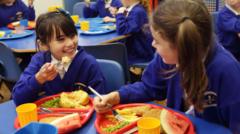
The era of the "turkey twizzler" and the grease-soaked chip bucket is officially under fire. Again. New government plans to ban deep-fried food in school dinners represent a massive shift in how we treat the plates sitting in front of our kids. It's about time. For too long, the school canteen has been a place where convenience trumped nutrition, and "vegetables" were often just the garnish on a burger box.
This isn't just about taking away the fryer. It's a fundamental rethink of what a growing body needs to actually function in a classroom. When kids eat heavy, fat-laden meals at noon, they don't return to their desks ready to learn. They return ready for a nap. Or they return with a sugar crash that makes focusing on algebra nearly impossible. This ban addresses the immediate health risks, but the real win is in the long-term habits we're finally starting to bake into the system. In related developments, we also covered: Why Your Morning Coffee is Destroying Your Muscle Gains.
The Problem with the Fryer Culture
Deep-fried food is cheap. That's the honest truth. It’s why schools relied on it for decades. You can throw frozen, processed shapes into a vat of oil and have hundreds of servings ready in minutes. But the cost isn't reflected in the lunch budget. It's reflected in the rising rates of childhood obesity and type 2 diabetes.
According to data from the NHS, roughly one in four children in Year 6 are now classified as obese. You can't separate those statistics from what they're eating five days a week. Deep frying adds massive amounts of calories without adding a single gram of extra vitamins or fiber. It literally replaces nutrition with empty energy. Psychology Today has analyzed this important topic in extensive detail.
By removing the deep fryer, schools are forced to get creative. Baking, steaming, and grilling are the new standards. It's a harder path for kitchen staff, but it's the only way forward.
Beyond the Ban on Fried Food
If we think a ban on frying fixes everything, we're kidding ourselves. You can bake a processed chicken nugget and it's still a processed chicken nugget. The new plans need to go deeper than just the cooking method. They need to look at the ingredients themselves.
Ultra-processed foods (UPFs) are the real enemy here. Even if they aren't fried, foods high in emulsifiers, stabilizers, and hidden sugars do plenty of damage. I've seen schools switch from fried chips to "oven-baked wedges" that are still loaded with sodium and preservatives. That's a lateral move, not a step up.
We need to see a push toward whole foods. Think lentils, lean proteins, and actual fresh produce. Some schools are already doing this. They've replaced the fryer with salad bars and stir-fry stations that use high-heat searing instead of deep submerging in oil. It works. The kids actually eat it when it's seasoned properly.
Why the Pushback is Mostly Wrong
Whenever these bans come up, you hear the same complaints. "The kids won't eat it." "It's too expensive." "It's the nanny state."
Let's be real. Kids eat what they're used to. If you feed them salt and grease from age five, of course they'll complain when you give them a roasted sweet potato. Taste buds are adaptable. It takes about 10 to 15 exposures to a new food for a child to start liking it. We've just been too lazy to put in the work.
As for the cost? Yes, fresh food can be pricier. But the long-term savings on healthcare are astronomical. We're paying for these fried meals twice—once at the school till and once through the healthcare system ten years later.
Practical Changes for the School Canteen
If you're a parent or an educator, don't wait for the official inspectors to show up. You can push for these changes now.
- Audit the side dishes. The "chips with everything" mentality has to die. Replace them with corn on the cob, slaw, or spiced chickpeas.
- Seasoning over salt. Use herbs and spices to make healthy food taste "fast." Smoked paprika and garlic powder can make roasted cauliflower taste better than any fried chicken.
- Water by default. If the fryer is gone but the sugary drinks stay, we’ve failed. Water and plain milk should be the only options on the table.
Parents should check the weekly menus. If you see "breaded" or "battered" items appearing more than once a week, ask questions. These are often just code words for "pre-fried and reheated."
The Logistics of a Healthier Kitchen
Moving away from deep frying requires better equipment and better training. Many school kitchens were built around the fryer. They don't have the oven space to bake for 500 kids at once. This is where the funding needs to go.
It’s not enough to tell a cook they can’t use the fryer anymore. You have to give them the combi-ovens and the prep space to handle fresh vegetables. You have to give them the time to actually cook rather than just "heat and serve."
We're seeing a resurgence in "scratch cooking" in some districts. This involves buying raw ingredients and making meals from the ground up. It sounds old-fashioned because it is. It’s also the most effective way to control exactly what goes into a child's body. No hidden fats. No mystery fillers. Just food.
Taking Action at Home
The school day is only part of the puzzle. If a child leaves a healthy school canteen and walks straight into a fast-food shop, the impact is blunted. We need a consistent message.
Start by replicating the school’s new standards in your own kitchen. If the school is ditching the fryer, you should too. Air fryers are a decent middle ground, but even then, try to focus on the quality of the ingredient rather than just the crunch.
Talk to your kids about why the changes are happening. Don't frame it as "taking away the treats." Frame it as "fueling your brain." When they realize they feel less sluggish after lunch, they’ll start to make the connection themselves.
The move to ban deep-fried food in schools is a massive win for common sense. It’s a direct strike against the convenience culture that has crippled our kids' health for too long. Now, we just need to make sure the replacements are actually worth eating. Check your school's menu today. If it's still looking a bit too golden-brown, start making some noise.