Walk into any major shopping center in Western cities, pick up a fast fashion t-shirt or hoodie, and odds are high that the inner tag reads "Made in Bangladesh". The ready-made garment (RMG) trade is an absolute powerhouse—generating around 80 percent of Bangladesh's $48 billion annual export revenue. Yet behind those sleek store displays lies a recurring cycle of industrial unrest, shut-down production hubs, and severe friction between low-wage workers and factory owners.
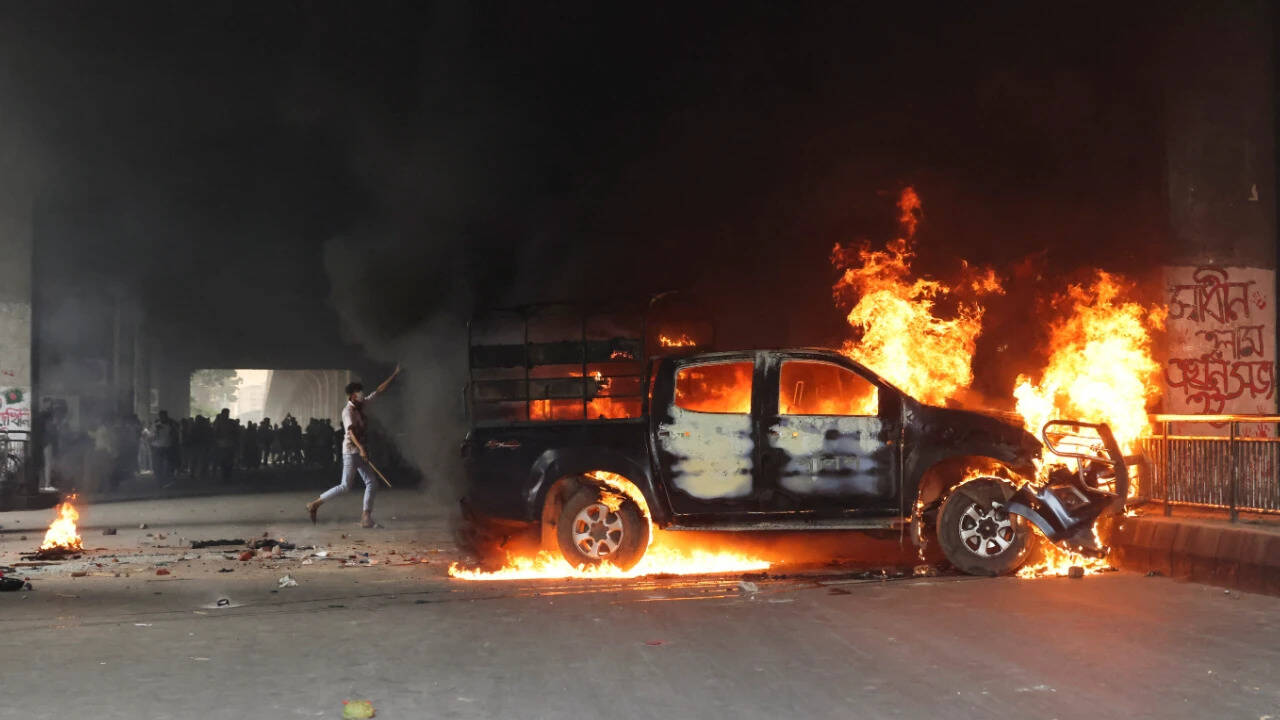
The tensions aren't new. Across major industrial hubs like Ashulia, Savar, Gazipur, and Mirpur, labor movements regularly spill into the streets. Standard factory shifts stall out, assembly lines freeze under emergency holidays, and police units deploy tear gas to disperse crowds of striking workers.
Understanding why thousands of garment workers repeatedly risk their livelihoods and personal safety requires looking beyond headline-grabbing footage of street blockades. The friction is rooted in structural wage gaps, relentless inflation, and a global supply chain designed to push retail prices down while squeezing the bottom layer.
The Math Behind the Minimum Wage Gap
The core driver of ongoing labor strikes centers on a fundamental disagreement: what actually constitutes a survivable monthly income in urban Bangladesh?
When the official Minimum Wage Board last set national standards for garment workers in late 2023, the baseline was raised from 8,000 taka to 12,500 taka per month (roughly $113 USD at prevailing conversion rates). Industry trade groups, represented by the Bangladesh Garment Manufacturers and Exporters Association (BGMEA), backed the deal. Factory owners argued that larger adjustments would wipe out operating margins and trigger mass factory relocations to competitor countries like Vietnam, Cambodia, or India.
Labor unions and independent monitoring groups rejected that figure almost immediately. Workers had demanded a minimum floor of 23,000 taka ($209 USD), while recent worker rallies in Dhaka and Gazipur pushed for target figures between 30,000 and 32,000 taka.
Independent labor economics groups—including the Bangladesh Institute of Labour Studies—estimated that a realistic living wage covering basic nutrition, urban rent, healthcare, and education for a worker's household requires over 33,000 taka monthly.
Official Minimum Wage (2023)  :  12,500 Taka (~$113 USD)
Union Demands                 :  23,000 - 32,000 Taka (~$209 - $256 USD)
BILS Living Wage Benchmark    :  33,368 Taka (~$302 USD)
The difference between what workers earn and what life actually costs creates a constant financial deficit. When inflation hovers around 9.5 to 10 percent annually, that gap widens every single month. Workers routinely rely on high-interest informal loans just to clear basic grocery bills or cover room rents in informal housing settlements near factory gates.
Industrial Centers on the Edge
Garment production in Bangladesh isn't spread evenly across the country. It is densely concentrated in tightly packed industrial corridors just outside Dhaka. Because factories sit wall-to-wall in districts like Gazipur and Ashulia, unrest spreads rapidly across multiple units.
When work abstentions begin at one major production unit—whether over unannounced shift changes, unpaid overtime, or broader wage hikes—neighboring workers often join out of solidarity.
To maintain order and prevent damage to machinery, factory managers routinely invoke Section 13(1) of the Bangladesh Labor Act. This law allows management to declare temporary closures and work holidays without paying workers for days lost to unrest. It's a double-edged sword: it pauses violence on plant premises, but it leaves thousands of daily wage earners stuck without income, fueling deeper anger.
What Overseas Brands Get Wrong About the Supply Chain
Western fashion retail brands often issue public statements emphasizing their commitment to ethical sourcing and worker safety. But the economics of global fast fashion create conflicting incentives.
Most major international apparel buyers negotiate contracts on extremely tight margins. If a Bangladeshi factory owner raises production bids by even 5 or 10 percent to absorb higher wage bills, international procurement officers frequently threaten to shift orders to manufacturers in Cambodia, Egypt, or Pakistan.
This leaves local manufacturers caught in the middle:
- From Above: Global retailers demand strict quality, fast turnaround times, and low unit costs.
- From Below: Factory workers face soaring food prices and cannot sustain life on existing base pay.
Until international retail brands actively share the financial burden by guaranteeing higher purchasing prices tied directly to labor cost increases, baseline wage hikes inside Bangladesh will remain difficult for smaller factory operators to sustain.
Practical Steps for Brands, Buyers, and Industry Observers
Fixing the chronic instability in the garment sector requires moving past temporary fixes and quick policy statements.
- Ring-Fence Labor Costs in Buying Contracts: Global fashion brands should separate wage compensation from general operational negotiations. Contracting terms should guarantee that increases in local minimum wages are directly covered by the retail buyer rather than absorbed solely by local factory owners.
- Establish Transparent Wage Boards: Minimum wage adjustments currently happen on five-year cycles in Bangladesh. In high-inflation environments, waiting five years to adjust baseline pay guarantees economic distress. Implementing annual inflation-indexed adjustments would prevent the severe wage drops that trigger mass protests.
- Strengthen Dispute Resolution Mechanisms: Factory floor grievances—such as unexpected shift adjustments or unpaid overtime—must be handled through functioning worker unions rather than sudden section shutdowns and police intervention. Institutionalized mediation lowers the risk of localized disputes escalating into broad industrial blockades.
Relying on security forces to clear roads and reopening plants under police protection may restore order for a few weeks. But as long as base pay covers less than half of an actual family living budget, industrial belts around Dhaka will remain on constant standby for the next wave of strikes.